Argentina has come forward with a firm stance in the face of a growing hantavirus outbreak, accusing the World Health Organization (WHO) of politicizing the crisis to sway the country’s recent withdrawal from the organization. On March 17, Argentina officially departed from the WHO, following a similar move by the United States earlier in January. The Milei administration asserted that Argentina’s decision was deliberate, emphasizing that the country has the technical capacity to respond to health emergencies without political dependence.
Argentina’s Ministry of Health stated that the country’s withdrawal from the WHO does not hinder its ability to collaborate with other nations on public health. The government insisted it will continue to monitor hantavirus cases independently and work regionally, without succumbing to external political pressures. This reaction came after WHO Director-General Dr. Tedros Adhanom Ghebreyesus stressed that global health security hinges on universal participation, saying, “Viruses do not care about politics or borders.”
Hantavirus Cases Surge in Argentina Amid Global Attention
Despite Argentina’s withdrawal, the country is grappling with a significant hantavirus outbreak. During the 2025-2026 season, Argentina exceeded the epidemic threshold, with 101 confirmed infections since the outbreak began in June 2025. Of these, 42 cases were recorded in 2026 alone. Tragically, the outbreak has a high fatality rate—31% in 2026—with at least 32 deaths so far. This alarming rise in hantavirus cases has put the nation’s public health apparatus under intense scrutiny.
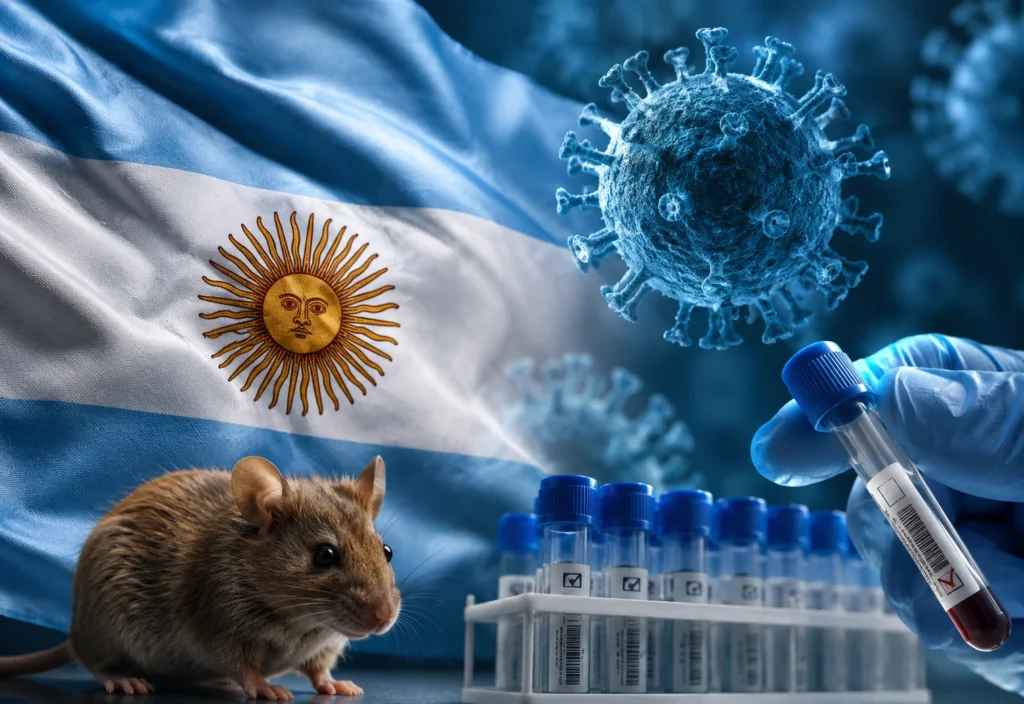
In a bid to control the spread, Argentina has launched a series of measures, including rat population testing and sample collection in Ushuaia, the southern city where the luxury cruise ship MV Hondius docked. It was in Ushuaia that the outbreak garnered worldwide attention, as three deaths and five infections were linked to passengers who had traveled on the vessel. The strain of hantavirus detected is the Andes Sur variant, known for its rare potential to spread between humans. Authorities suspect that a Dutch couple, the first to show symptoms, contracted the virus during a bird-watching trip in the region.
Argentina’s Regional Leadership Amidst Hantavirus Threat
While the WHO continues to call for universal participation in global health, Argentina is resolute in its regional leadership. The government insists that it can handle the outbreak through its own epidemiological monitoring, without being tethered to international institutions. Argentina’s health ministry further argued that technical collaboration can occur independently of political alignment. This, they claim, is evidence that the WHO is, at times, prioritizing politics over scientific evidence during a critical public health moment.
Argentina has now surpassed all other countries in the region in hantavirus incidence, with the highest rate in the Pan American region. It has outpaced traditional hantavirus hotspots like Brazil and Chile.
For more travel news like this, keep reading Global Travel Wire