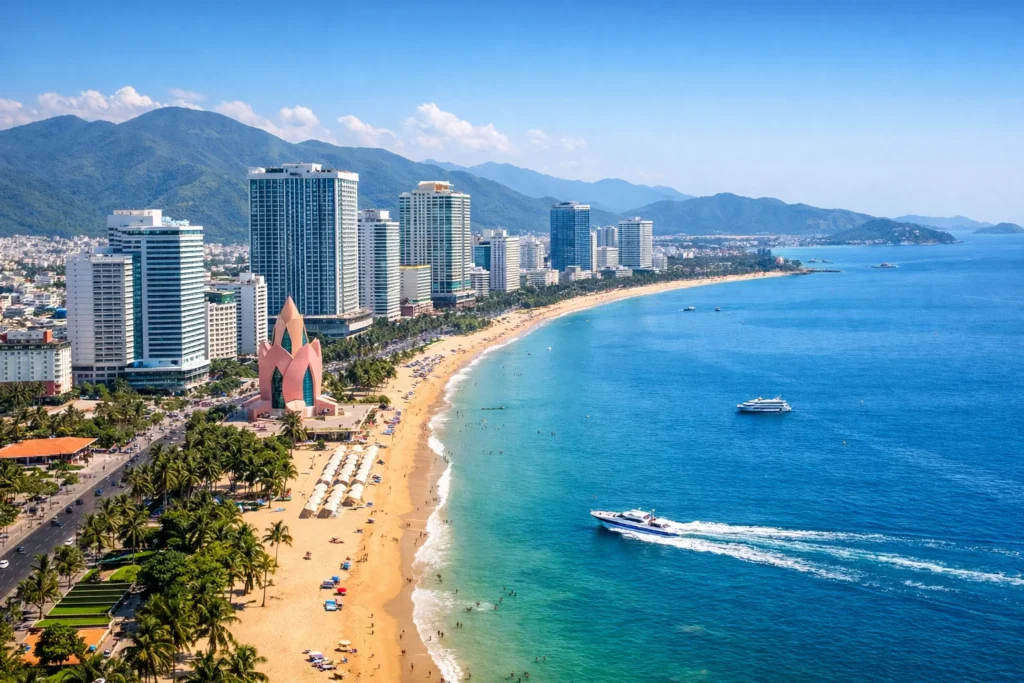
Vietnam is rapidly strengthening its position as one of Southeast Asia’s most attractive destinations for hotel investment, with increasing interest from Singapore-based investors driving significant growth across the hospitality sector. The country’s strong tourism recovery, expanding luxury hotel pipeline, and competitive development costs are transforming it into a key hotspot for regional and international investors.
As global travel demand rebounds and Southeast Asia regains momentum, Vietnam’s combination of affordability, accessibility, and rising international appeal is creating new opportunities for both developers and hospitality brands.
Tourism Recovery Powers Hospitality Growth
Vietnam’s tourism sector has made a remarkable comeback in recent years, with international arrivals and hotel performance exceeding expectations in major cities such as Ho Chi Minh City and Hanoi. These urban centers continue to attract business travelers and leisure visitors alike, contributing to high occupancy rates and increasing room revenues.
The country’s ability to recover quickly is supported by strategic government initiatives aimed at promoting tourism, improving connectivity, and enhancing visitor experiences. Expanded flight networks, simplified visa policies, and targeted marketing campaigns have all played a role in boosting Vietnam’s visibility on the global stage.
As a result, the hospitality sector is experiencing strong demand, creating a favorable environment for investment and development.
Singapore Investors Play a Key Role
Investors from Singapore have emerged as major contributors to Vietnam’s hotel market expansion. Known for their expertise in hospitality development and management, Singapore-based firms are actively investing in a range of projects across the country.
These investments are often focused on midscale and luxury properties, reflecting the growing demand for high-quality accommodation. Many projects are developed through partnerships with local developers, combining international standards with local market knowledge.
The appeal for Singapore investors lies in Vietnam’s strong growth potential, relatively lower development costs compared to more mature markets, and the opportunity to establish a presence in a rapidly expanding tourism destination.
Coastal Destinations Drive Resort Development
Beyond major cities, Vietnam’s coastal regions are becoming increasingly important for hotel investment. Destinations such as Phu Quoc, Da Nang, and Nha Trang are attracting significant attention due to their natural beauty and growing popularity among international tourists.
These locations offer ideal conditions for resort developments, with pristine beaches, favorable climates, and improving infrastructure. Investors are capitalizing on these advantages by developing luxury resorts, branded residences, and integrated tourism complexes.
The rise of these destinations highlights Vietnam’s ability to cater to a wide range of travelers, from budget tourists to high-end visitors seeking exclusive experiences.
Luxury Segment Gains Momentum
The demand for upscale accommodation in Vietnam is increasing, driven by both leisure and business travel. As multinational companies expand their presence in the country, business travel is contributing to more consistent year-round occupancy rates.
At the same time, leisure travelers are seeking premium experiences, leading to a surge in luxury hotel developments. International brands are entering the market, introducing high-end properties that cater to affluent travelers and long-stay guests.
Branded residences are also becoming a notable trend, offering a combination of luxury living and hospitality services. These developments appeal to both investors and travelers, further strengthening the country’s position in the global luxury tourism market.
Government Policies Support Investment Growth
The Vietnamese government continues to play a crucial role in supporting tourism and hospitality development. Policies aimed at easing travel restrictions, expanding visa access, and improving infrastructure are helping to attract both visitors and investors.
Major infrastructure projects, including new airports, upgraded highways, and improved public transportation systems, are enhancing connectivity across the country. These developments not only improve the travel experience but also increase the viability of new hotel projects.
By creating a supportive environment for investment, the government is ensuring that Vietnam remains competitive in the regional tourism market.
Competitive Advantages in the Regional Market
Vietnam’s hospitality sector offers several advantages that make it particularly attractive to investors. Compared to more established markets in Asia, the country provides lower entry costs while still offering strong growth potential.
Its strategic location within Southeast Asia also makes it easily accessible from major international markets, further boosting its appeal. Combined with a diverse range of attractions, from cultural heritage sites to natural landscapes, Vietnam is well positioned to attract a broad spectrum of travelers.
These factors contribute to the country’s growing reputation as a key destination for both tourism and investment.
Future Outlook for Vietnam’s Hotel Industry
Looking ahead, Vietnam’s hotel market is expected to continue its upward trajectory. The combination of rising visitor numbers, increasing investor confidence, and ongoing infrastructure improvements will likely drive sustained growth in the coming years.
Singapore-based investors are expected to remain influential, alongside other international stakeholders who recognize the country’s long-term potential. As more projects are completed and new developments emerge, Vietnam is set to strengthen its position as a leading hospitality destination in Southeast Asia.
Conclusion
Vietnam’s transformation into a major hotel investment hub reflects the strength of its tourism sector and the confidence of international investors. With strong backing from Singapore and continued government support, the country is experiencing a surge in hospitality development across both urban and coastal regions.
As demand for high-quality accommodation continues to grow, Vietnam is poised to become a central player in the regional tourism landscape. Its ability to combine affordability, growth potential, and diverse travel experiences ensures that it will remain a top destination for both travelers and investors in the years ahead.
For more travel news like this, keep reading Global Travel Wire