The global aviation and tourism industries are facing renewed uncertainty as rising oil prices and ongoing geopolitical tensions in the Middle East begin to disrupt airline operations worldwide. Industry leaders are warning that sustained increases in fuel costs combined with reduced travel demand could place significant financial pressure on airlines, raising concerns about potential bankruptcies.
Dubai-based aviation entrepreneur Gediminas Ziemelis has highlighted the growing risks, stating that the current environment mirrors challenges experienced during previous global crises. With airlines already navigating complex operational conditions, the added burden of escalating fuel costs is intensifying financial strain across the sector.
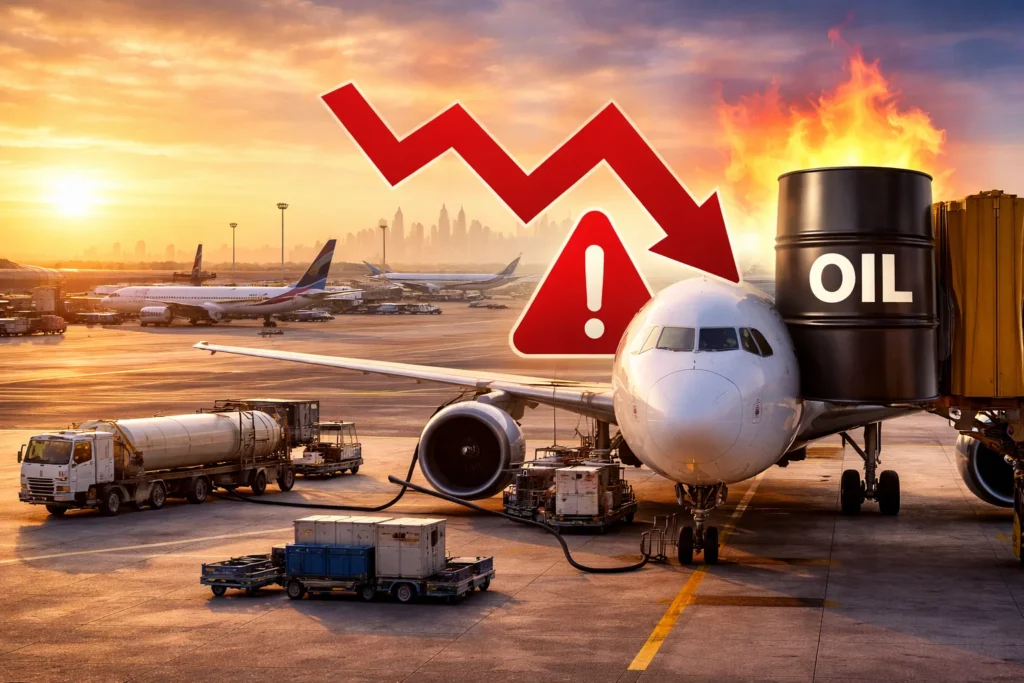
Fuel remains one of the largest operating expenses for airlines, often accounting for a substantial share of total costs. Recent increases in global oil prices, driven by geopolitical instability, have pushed operating expenses significantly higher. As a result, airlines are being forced to reassess pricing strategies, adjust route networks, and in some cases reduce capacity to manage costs.
The impact is particularly visible across regions affected by airspace disruptions. Airlines operating routes through or near the Middle East are facing longer flight paths due to restricted airspace, increasing fuel consumption and operational complexity. These adjustments not only raise costs but also extend travel times, affecting passenger convenience and overall travel demand.
From a tourism perspective, these developments are beginning to influence travel patterns. Higher ticket prices, driven by fuel surcharges, can discourage discretionary travel, especially for long-haul journeys. This has implications for global tourism flows, particularly for destinations that rely heavily on international visitors.
According to aviation authorities and tourism boards, maintaining connectivity remains a priority despite the challenges. Governments and regulators continue to coordinate with airlines to ensure safe and efficient operations while supporting the broader travel ecosystem. However, the evolving situation requires constant monitoring and rapid adjustments by airlines and travel stakeholders.
Ziemelis, whose company operates a global aircraft leasing business, has indicated that demand for short-term aircraft leasing has declined in certain markets. European airlines, which typically prepare for peak summer travel demand by securing additional aircraft, are reportedly scaling back their plans due to uncertainty. This shift reflects cautious planning amid fluctuating travel demand and rising operational costs.
At the same time, the aviation industry is exploring strategies to mitigate risks. Fleet redeployment has emerged as a key approach, with aircraft being repositioned to regions where demand remains stable. Asia and South America are increasingly seen as growth markets, offering opportunities to offset declines in other regions.
The Middle East, a major hub for global aviation, has been particularly affected by ongoing tensions. Airlines in the region have had to adjust schedules, suspend certain routes, and implement contingency plans to ensure passenger safety. These measures, while necessary, have contributed to reduced capacity and revenue losses for carriers.
Insurance costs have also surged, adding another layer of financial pressure. Airlines operating in or near conflict zones may face significantly higher premiums, increasing the cost of each flight. These expenses further strain airline budgets and can influence decisions on route viability.
Despite these challenges, the aviation sector has demonstrated resilience in the face of adversity. Following previous global disruptions, including the pandemic, airlines implemented cost-control measures, improved operational efficiency, and diversified revenue streams. These lessons are now being applied as the industry navigates the current crisis.
Tourism authorities continue to emphasise the importance of maintaining traveler confidence. Clear communication, flexible booking policies, and enhanced safety measures are key to supporting demand during uncertain times. For travelers, staying informed and planning ahead has become essential in managing potential disruptions.
The broader economic implications of rising oil prices extend beyond aviation. Increased transportation costs can impact the entire tourism value chain, including hospitality, logistics, and destination management. As a result, stakeholders across the industry are closely monitoring developments and adapting strategies accordingly.
Looking ahead, the trajectory of oil prices and geopolitical stability will play a critical role in shaping the future of air travel. A prolonged period of high fuel costs could lead to structural changes in the aviation industry, including route rationalisation and shifts in travel demand patterns.
At the same time, there is cautious optimism that the industry can navigate these challenges. Continued collaboration between governments, airlines, and international aviation bodies is expected to support stability and recovery. Investments in fuel efficiency, sustainable aviation technologies, and operational innovation are also likely to play a role in building long-term resilience.
For now, the aviation and tourism sectors remain in a period of adjustment. While the risks are significant, the industry’s ability to adapt and respond to changing conditions will determine how effectively it can sustain growth and maintain connectivity in a rapidly evolving global environment.
As global travel demand continues to evolve, the balance between cost management and service reliability will be crucial. Airlines that successfully navigate these challenges are likely to emerge stronger, while those unable to adapt may face increasing financial pressure in the months ahead.