Major Gulf airports including Dubai International Airport, King Khalid International Airport in Riyadh and Kuwait International Airport continue facing severe operational pressure as airlines struggle to recover from a massive backlog of delayed passengers, disrupted aircraft rotations and rescheduled flights following the recent escalation of conflict across the Middle East.
Although several regional airspace sectors have technically reopened under a fragile ceasefire arrangement, rolling cancellations, flight delays and operational instability continue affecting thousands of travelers moving between Europe, Asia and the Gulf region.
The disruption is creating significant challenges for airlines, tourism operators and airport authorities as carriers attempt to restore schedule reliability while managing surging demand for rerouted international travel.
Dubai, Riyadh and Kuwait Become Major Aviation Bottlenecks
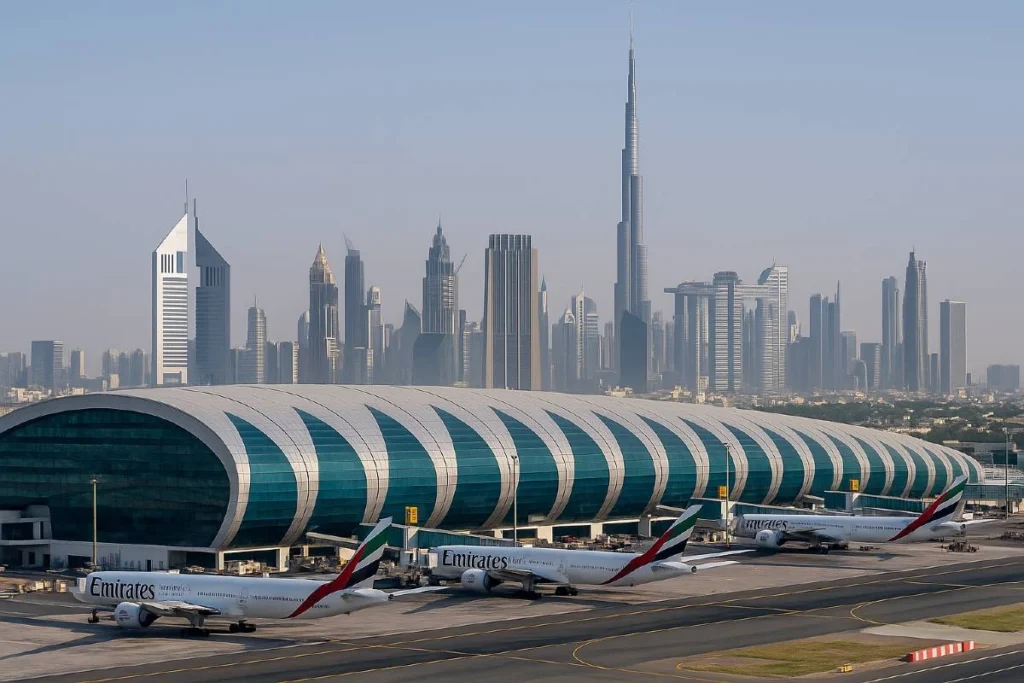
Dubai International Airport, one of the world’s busiest international transit hubs, remains one of the most heavily affected airports within the Gulf recovery effort.
Terminals across Dubai continue experiencing overcrowding as passengers seek rebooking assistance, onward connections and alternative routing options. The airport’s strategic role linking Europe, Asia, Africa and the Middle East has intensified operational pressure as airlines attempt to reposition aircraft and crews affected by previous airspace closures.
King Khalid International Airport in Riyadh and Kuwait International Airport are also emerging as major congestion points as airlines redistribute passengers and adjust operational schedules throughout the region.
Aviation experts note that the recovery process remains complicated by displaced aircraft, delayed crew rotations and reduced operational windows across multiple Gulf air corridors.
Even after partial airspace reopening, airlines continue dealing with compounding disruptions that affect both regional and long-haul operations.
Gulf Airlines Operate Reduced and Unstable Schedules
Several Gulf carriers have resumed portions of their international and regional networks, though operations remain volatile and subject to frequent changes.
flydubai and Air Arabia have restarted selected services including routes to Doha and Kuwait City. However, both carriers continue operating reduced schedules due to limited spare aircraft capacity and ongoing rerouting requirements around restricted airspace sectors.
Passengers affected by canceled flights are currently being offered flexible rebooking options and refund arrangements depending on route availability and ticket conditions.
Etihad Airways has restored much of its core international network from Abu Dhabi but continues maintaining temporary schedule reductions on selected routes. Travelers holding tickets issued before the height of the disruption remain eligible for one-time fee-free changes or refunds under temporary waiver policies.
Saudia is also operating under constrained conditions while handling significant passenger redistribution through Riyadh. Authorities confirmed that FlyDubai and associated codeshare traffic transiting through Riyadh has permanently shifted to Terminal 5 at King Khalid International Airport, creating additional confusion for travelers navigating terminal changes and delays.
Meanwhile, Kuwait Airways has resumed standard schedules at Kuwait International Airport, although short-haul regional services continue experiencing rolling delays and gate congestion as the airport processes accumulated passenger demand.
Jordanian Airspace Restrictions Continue Affecting Regional Travel
Royal Jordanian has maintained many of its long-haul operations to Europe and the United States but continues facing disruption across routes involving Syria and the United Arab Emirates.
Jordanian authorities have additionally implemented temporary nightly airspace closures between 6:00 PM and 9:00 AM local time until further notice. These restrictions are forcing systematic schedule adjustments for evening arrivals and departures through Amman and surrounding regional air corridors.
Airlines operating through Jordanian airspace continue revising flight timings in order to comply with the restrictions while attempting to minimize disruption for passengers.
The evolving regional airspace environment remains one of the most significant operational challenges confronting carriers across the Gulf and Levant aviation sectors.
International Airlines Suspend Services Across Gulf Region
Several major international carriers including Lufthansa Group and British Airways have suspended flights to key regional destinations including Dubai and Tel Aviv amid ongoing operational and security concerns.
The suspension of Western airline services has placed additional pressure on Gulf-based carriers, which are now absorbing large volumes of rerouted passenger traffic between Europe, Asia and the Middle East.
Demand for available seats on regional airlines has surged sharply as travelers seek alternative routing options, creating limited availability and higher booking pressure across major transit routes.
The operational instability is also affecting tourism flows, business travel and international event traffic throughout the Gulf region during one of the busiest global travel periods of the year.
Travelers Urged to Prepare for Delays and Last-Minute Changes
Airport authorities and airlines across the Gulf are strongly advising passengers to monitor live flight status updates directly through airline applications and official communication channels before traveling to airports.
Travelers have been warned that terminal waiting areas remain heavily congested due to rolling schedule disruptions and ongoing passenger backlogs.
Passengers are advised not to travel to airports unless flights are officially confirmed as operating. Under UAE and broader Gulf consumer protection regulations, airlines are generally required to provide hotel accommodation and meal assistance for passengers facing delays exceeding six hours.
Travelers affected by extended disruptions are being encouraged to contact airline service desks directly regarding rebooking options, accommodation support and refund policies.
Authorities within the United Arab Emirates have additionally warned transit passengers to carefully monitor visa validity periods as unexpected delays and prolonged rebooking timelines could inadvertently result in visa overstays.
Passengers are also being encouraged to keep medications, travel documents, chargers and overnight essentials easily accessible due to the possibility of sudden gate changes and extended waiting periods.
Gulf Tourism Recovery Remains Fragile
Despite the gradual reopening of regional airspace sectors, the Gulf aviation and tourism industry continues operating under highly fragile recovery conditions.
Airlines, airports and hospitality operators remain focused on restoring schedule stability while managing exceptional operational complexity and elevated passenger volumes.
The ongoing disruptions underscore the critical importance of flexible travel planning, coordinated aviation management and real-time communication during periods of geopolitical instability affecting global air transport networks.
Industry analysts warn that sustained instability across regional airspace could continue influencing tourism flows, airline profitability and international travel confidence throughout the remainder of 2026.
For more travel news like this, keep reading Global Travel Wire