The ongoing geopolitical tensions involving Iran are creating a significant ripple effect across global aviation, with far-reaching consequences for tourism, airline networks, and international travel patterns. As airspace risks increase across parts of the Middle East, airlines are being forced to rethink long-established routes, prompting a quiet but notable transformation in how tourists move around the world.
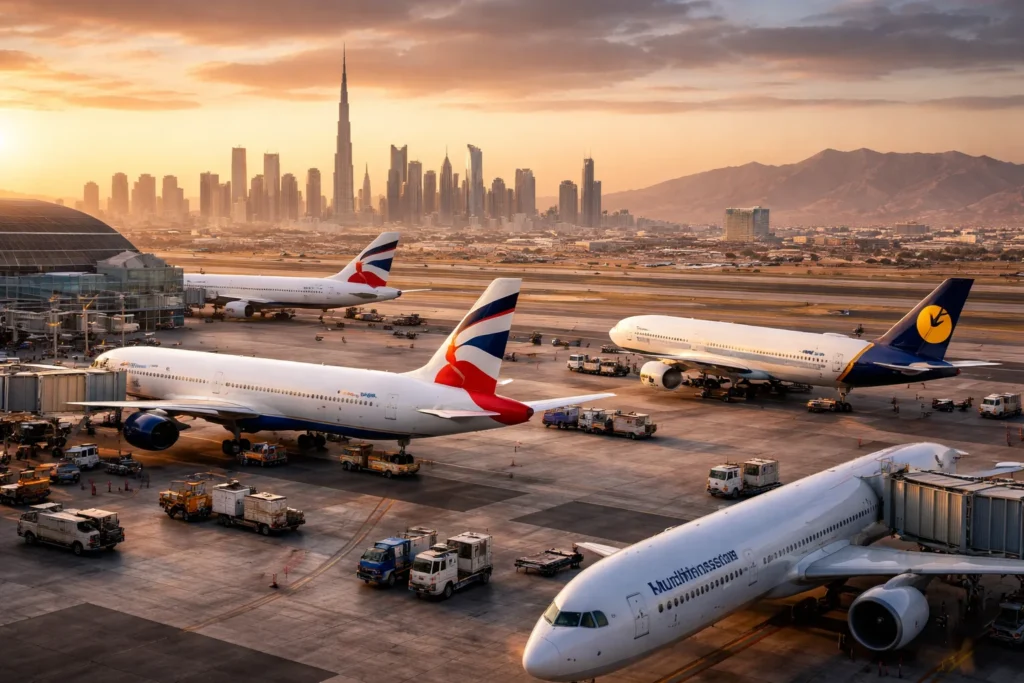
For decades, major Middle Eastern hubs such as Dubai and Doha have served as critical connectors between Europe, Asia, and beyond. These hubs flourished due to their strategic geographic location and the rapid expansion of long-haul carriers supported by modern fleets and competitive pricing. However, the evolving security landscape is now challenging that dominance, opening new opportunities for airlines elsewhere.
Airspace restrictions and safety concerns have become a primary issue. Airlines are increasingly avoiding certain flight corridors near conflict zones, resulting in longer routes, higher fuel consumption, and increased operational costs. Civil aviation authorities and international aviation bodies have issued updated advisories, urging carriers to prioritize passenger safety while navigating these complexities. These adjustments, while necessary, are reshaping the global aviation map in real time.
In response, several European carriers have begun expanding their presence in alternative markets. Airlines are redirecting aircraft capacity toward South Asia and Southeast Asia, particularly in countries such as India, Thailand, and Singapore. These destinations are witnessing a gradual increase in direct connections from Europe, providing travelers with more options that bypass traditional Middle Eastern transit points.
Tourism boards in these regions are quietly benefiting from the shift. Government-backed tourism agencies have reported growing interest from international airlines seeking to establish or expand routes. This aligns with broader tourism recovery strategies, especially in the post-pandemic era where diversification of travel routes is seen as a key resilience factor.
The impact on travelers is already visible. Tourists are experiencing changes in flight durations, ticket pricing, and route availability. While some routes have become longer and slightly more expensive due to detours, others have emerged as new direct links, reducing reliance on traditional transit hubs. This evolving landscape is encouraging travelers to explore alternative itineraries and destinations.
For airlines, the situation presents both challenges and opportunities. On one hand, increased operational costs and logistical complexities are putting pressure on margins. On the other hand, the disruption offers a rare chance to capture market share in regions that were previously dominated by Middle Eastern carriers. European airlines, in particular, are attempting to rebuild their long-haul networks by tapping into underserved routes.
However, building sustainable momentum is not straightforward. Establishing new routes requires regulatory approvals, infrastructure readiness, and consistent passenger demand. Aviation authorities and transport ministries play a crucial role in facilitating these expansions through bilateral agreements and policy support. Without these frameworks, rapid network adjustments can remain temporary rather than transformative.
From a tourism perspective, the shift is contributing to a broader redistribution of global travel flows. Destinations that were once secondary stopovers are now becoming primary gateways. This transition is encouraging governments to invest more in airport infrastructure, visa facilitation, and destination marketing to attract international visitors.
Official tourism statistics from several Asian markets indicate a steady rise in arrivals linked to improved connectivity. Ministries of tourism have emphasized the importance of direct flights in boosting visitor numbers, highlighting aviation as a cornerstone of tourism growth strategies. The current situation is accelerating these trends, albeit under unexpected circumstances.
Meanwhile, Middle Eastern aviation hubs are not standing still. Regional governments and aviation authorities are actively monitoring the situation and adapting their strategies to maintain competitiveness. Investments in safety, technology, and passenger experience continue to be prioritized, ensuring that these hubs remain relevant despite temporary disruptions.
Looking ahead, the long-term implications of the Iran war aviation impact remain uncertain. Much will depend on how geopolitical tensions evolve and how quickly stability returns to affected airspaces. In the meantime, airlines are likely to continue experimenting with new routes, partnerships, and operational strategies to navigate the changing environment.
For the global tourism industry, adaptability is becoming more important than ever. The ability to respond to shifting aviation dynamics will determine how destinations compete for international travelers. Governments, tourism boards, and airlines must work together to ensure that connectivity remains strong, safe, and efficient.
Ultimately, the current situation underscores the interconnected nature of aviation and tourism. A conflict in one region can reshape travel patterns across continents, influencing where people go, how they get there, and what experiences they seek. As the world watches these developments unfold, one thing is clear: global aviation is entering a new phase, and tourism is evolving alongside it.
For more travel news like this, keep reading Global Travel Wire