The rapid evolution of smart rail technology is reshaping the future of travel infrastructure, offering significant benefits for tourism, safety, and operational efficiency. As governments and transport authorities continue to modernise rail networks, the introduction of automated inspection systems marks a major milestone in creating safer and more reliable travel experiences. These innovations are particularly relevant for tourism, where dependable transportation plays a critical role in attracting visitors and supporting seamless journeys across destinations.
Railways remain a cornerstone of sustainable travel, widely recognised by transport ministries and national infrastructure agencies for their energy efficiency and ability to handle large passenger volumes. However, traditional inspection methods have long posed challenges. Manual checks, often conducted at limited intervals, can be time-consuming and may not detect early signs of wear or damage. Recognising these limitations, industry stakeholders have collaborated to develop advanced systems that enable continuous, real-time monitoring of rail assets.
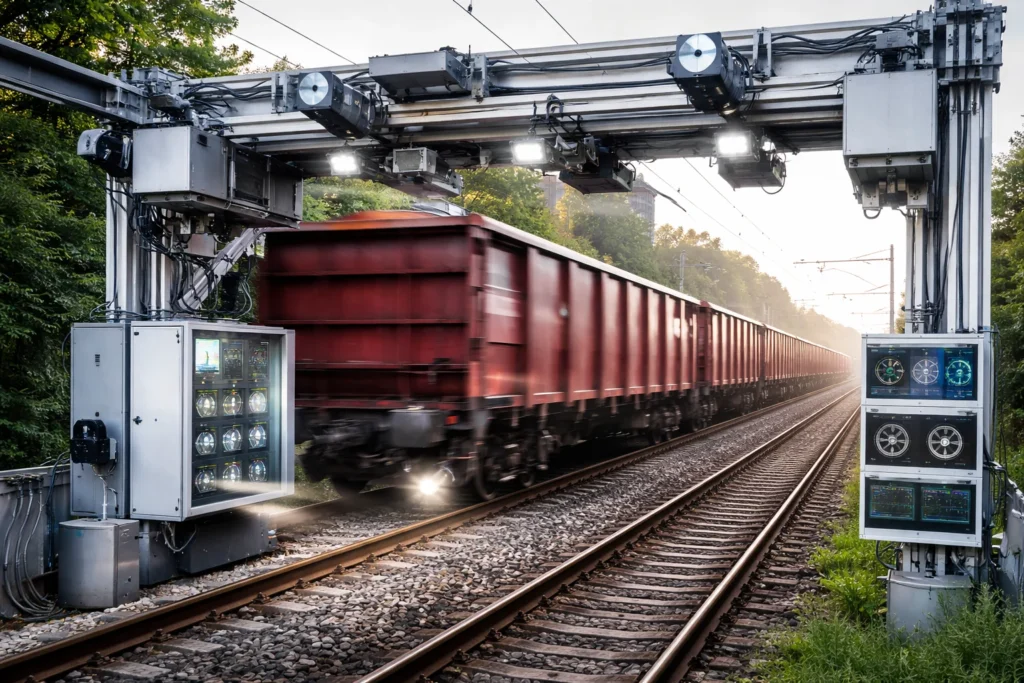
The newly developed automated inspection platform combines high-speed imaging with sensor-based analytics, offering a non-intrusive solution that operates while trains are in motion. This innovation allows for uninterrupted rail operations, ensuring that both passenger and freight services continue without delays. For tourism, this translates into improved punctuality and reliability, which are essential for maintaining positive travel experiences.
Equipped with multiple industrial cameras and synchronised lighting systems, the technology captures detailed images of railcars from various angles. Operating at speeds of up to 250 kilometres per hour, the system is capable of analysing trains under real-world conditions. This high level of precision enables early detection of structural issues, helping maintenance teams address potential problems before they escalate into major disruptions.
Government-backed transport strategies increasingly emphasise the importance of predictive maintenance, a data-driven approach that replaces reactive repairs with proactive interventions. By using advanced algorithms to process continuous streams of data, the inspection system can identify patterns, detect anomalies, and flag components that require attention. This not only enhances safety but also reduces the likelihood of unexpected breakdowns, ensuring smoother travel for passengers.
In addition to identifying mechanical issues, the system automates several operational processes that contribute to overall efficiency. It can read identification numbers, verify compliance markings, and recognise safety labels, supporting regulatory requirements set by transport authorities. These capabilities streamline inspections and reduce the need for manual intervention, allowing railway operators to focus on delivering high-quality services.
The integration of data from trackside systems into a centralised platform represents a significant step toward digital transformation in rail transport. Fleet managers and maintenance teams can access comprehensive records for each railcar, compare historical data, and monitor performance trends over time. This level of transparency aligns with national transport policies aimed at improving accountability and operational oversight.
For tourism stakeholders, these advancements have far-reaching implications. Reliable rail networks encourage travellers to explore multiple destinations within a country, boosting regional tourism and supporting local economies. Improved safety standards also enhance traveller confidence, making rail a preferred mode of transport for both domestic and international visitors.
Sustainability remains a key priority for governments worldwide, and smart rail technology plays a crucial role in achieving environmental targets. By enabling efficient maintenance and reducing energy consumption associated with disruptions, automated inspection systems contribute to greener transport solutions. This aligns with official commitments to lower emissions and promote eco-friendly travel options.
The adoption of such technologies also supports the broader vision of smart mobility, where digital solutions enhance connectivity and optimise transport networks. As rail systems become more intelligent and interconnected, they are better equipped to handle growing passenger demand while maintaining high standards of safety and performance.
Transport ministries have highlighted that investments in modern rail infrastructure are essential for long-term tourism growth. By improving service reliability and reducing travel times, these initiatives make destinations more accessible and appealing. In turn, this drives increased visitor numbers and strengthens the tourism sector’s contribution to national economies.
The collaboration between technology developers and rail operators demonstrates the potential of innovation to transform traditional industries. By combining expertise in engineering, data analytics, and logistics, these partnerships are creating solutions that address both current challenges and future needs.
As rail networks continue to evolve, the implementation of automated inspection systems represents a forward-looking approach to infrastructure management. The ability to monitor assets continuously and make informed decisions based on real-time data ensures that rail transport remains a safe, efficient, and sustainable option for travellers.
With smart rail technology at the forefront of modernisation efforts, the future of tourism-linked transportation looks increasingly promising. Enhanced safety, improved reliability, and a strong focus on sustainability are set to redefine how people travel, making rail journeys not only more efficient but also more enjoyable.