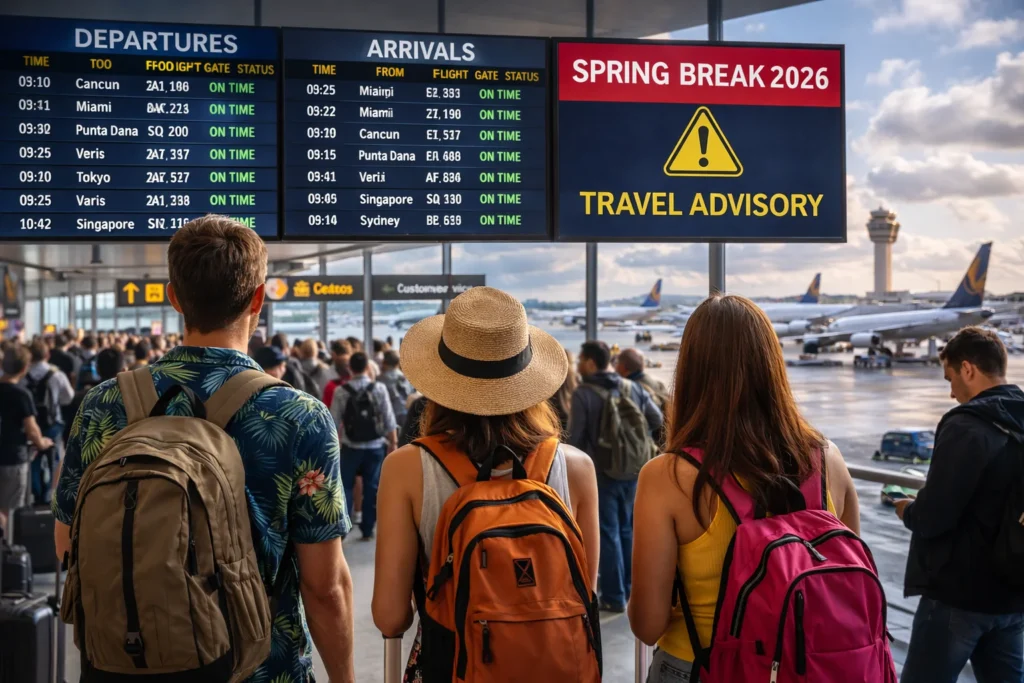
Global travel conditions in 2026 are evolving as geopolitical tensions and regional disruptions influence aviation and tourism flows. However, tourism experts and travel advisors emphasize that spring break travel plans remain largely intact, with only limited operational adjustments affecting certain routes and destinations.
Recent advisories issued by governments, including the U.S. Department of State, have encouraged travelers to exercise increased awareness when traveling internationally. These advisories are part of standard precautionary measures designed to keep travelers informed about changing global conditions rather than discourage travel altogether.
Despite concerns surrounding disruptions in parts of the Middle East and localized incidents in regions such as Mexico, tourism authorities and industry professionals report that the overall impact on spring break travel remains manageable. Official aviation data shows that while some flight cancellations have occurred in specific areas, global travel networks continue to operate with adjustments rather than widespread shutdowns.
Travel advisors across major markets are closely monitoring itineraries, particularly those involving international transit hubs. Airports such as Dubai International Airport and other key global gateways remain operational, though airlines may adjust routes to accommodate airspace changes or operational constraints. These adjustments may include rerouting flights or modifying schedules, but they are not expected to significantly disrupt most leisure travel plans.
From a tourism perspective, the current situation highlights the resilience of global travel demand. Spring break remains one of the busiest travel periods, with millions of tourists heading to domestic and international destinations. Official tourism statistics from multiple regions indicate that bookings for popular destinations in Europe, the United States, and Asia continue at stable levels.
Industry experts note that the primary impact on travelers is logistical rather than structural. Flight delays, schedule changes, and rerouting are the most common challenges, particularly for long-haul journeys that pass through sensitive airspace regions. Airlines are actively managing these situations by adjusting operations in coordination with aviation authorities.
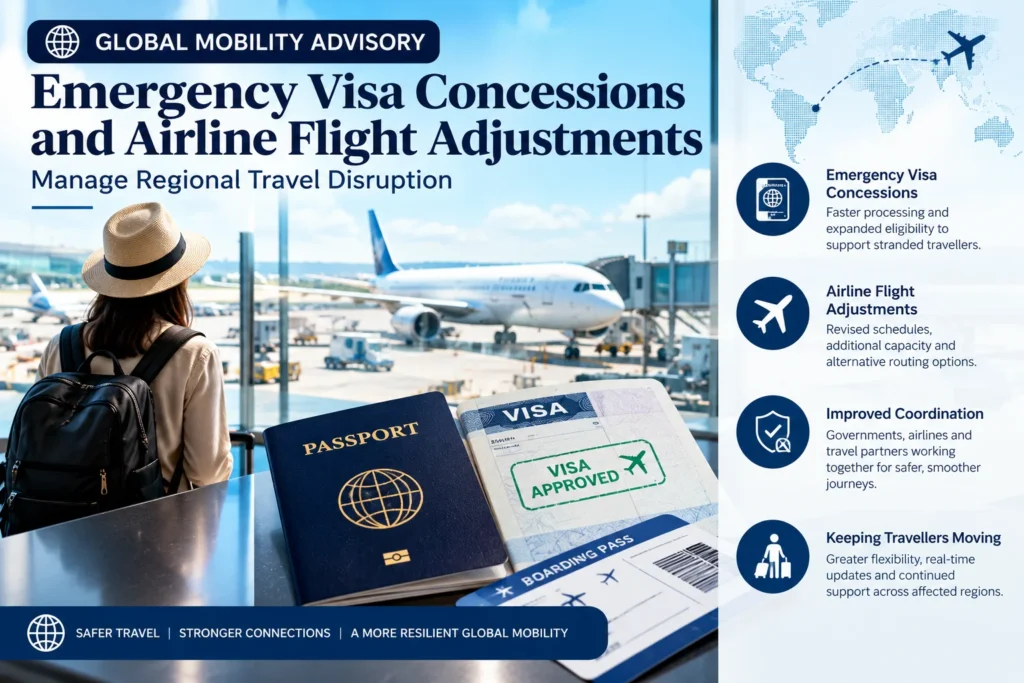
Travel advisors are playing a crucial role in supporting travelers during this period. By providing real-time updates and assistance with itinerary adjustments, they help ensure that trips proceed smoothly despite evolving conditions. Tourism boards and government agencies also recommend relying on official information sources to stay informed about travel updates.
The concept of “travel shifting rather than stopping” is becoming increasingly relevant. While certain routes or destinations may experience temporary disruptions, travelers are adapting by choosing alternative routes, adjusting travel dates, or selecting different destinations. This flexibility is helping sustain tourism activity even in the face of global challenges.
For destinations such as Europe and domestic tourism markets, the impact has been minimal. Travelers heading to these regions can continue with their plans while maintaining standard safety precautions. Tourism authorities emphasize that most destinations remain open and accessible, with infrastructure and services operating normally.
In regions experiencing localized disruptions, authorities are implementing measures to ensure safety and continuity. For example, temporary road closures or airport adjustments may occur in response to specific incidents, but these are typically short-term and managed through coordinated efforts between local governments and aviation stakeholders.
Travel preparedness has become a key focus for tourists. Authorities recommend enrolling in official traveler registration programs, reviewing travel insurance coverage, and allowing extra time for airport procedures. These steps can help mitigate potential disruptions and enhance overall travel confidence.
The role of travel insurance is particularly important in the current environment. Comprehensive coverage can provide financial protection in the event of delays, cancellations, or unexpected changes to travel plans. Tourism authorities consistently highlight insurance as a critical component of responsible travel planning.
Airlines are also adapting to changing conditions by enhancing communication with passengers. Real-time updates, mobile notifications, and customer support services are helping travelers stay informed and make necessary adjustments. These efforts contribute to a smoother travel experience even during periods of uncertainty.
From a broader perspective, the current situation underscores the importance of resilience within the tourism industry. The ability to adapt to changing conditions, maintain operations, and support travelers is essential for sustaining global travel activity. Governments, airlines, and tourism organizations are working together to ensure that travel remains accessible and safe.
Looking ahead, the outlook for spring break travel remains positive. While global conditions may continue to evolve, the tourism industry’s experience in managing disruptions has strengthened its ability to respond effectively. Travelers are more informed and adaptable, contributing to the continued stability of travel demand.
For individuals planning trips, the key takeaway is to stay informed and flexible. Monitoring flight updates, following official advisories, and maintaining realistic expectations can help ensure a successful travel experience. Early arrival at airports and readiness for minor delays can also reduce stress and enhance the overall journey.
In conclusion, spring break travel in 2026 is proceeding with resilience despite global challenges. While disruptions in certain regions have required adjustments, the overall tourism landscape remains stable. With proper planning and awareness, travelers can continue to enjoy their journeys, supported by a global travel industry that is adapting to meet evolving conditions.