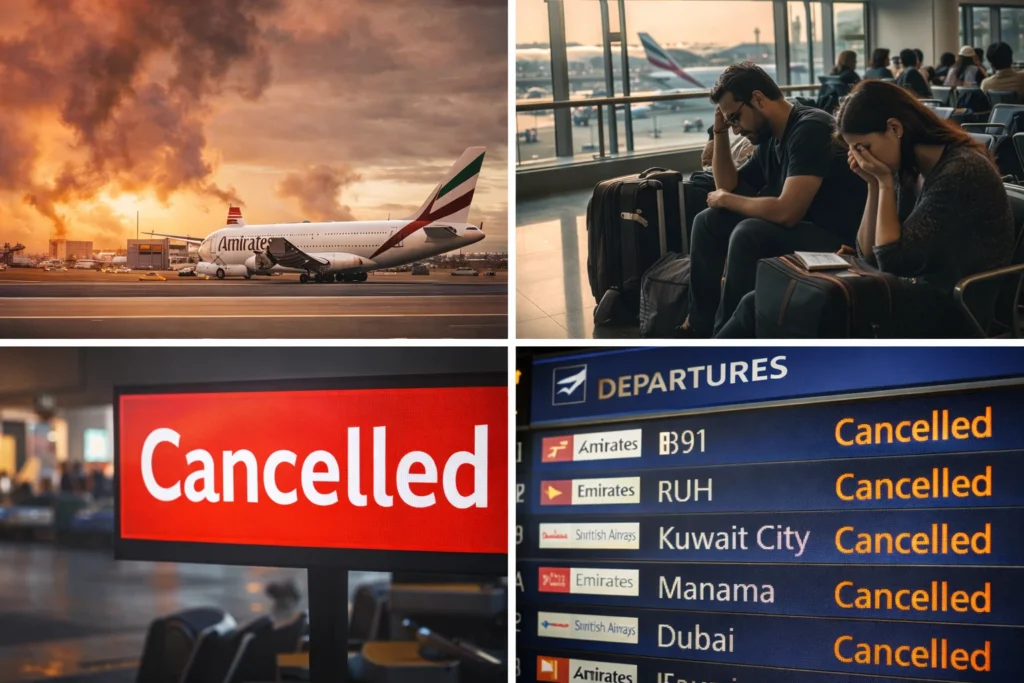
Tourism across the Middle East is facing major pressure as Gulf airspace disruptions affect flights, passenger movement, and airport operations at several key regional hubs. Temporary restrictions, schedule changes, and increased operational checks have created delays and congestion at some of the world’s most important transit gateways.
For travelers, the immediate impact includes disrupted itineraries, longer journey times, and reduced flight flexibility. For the tourism sector, the situation highlights how strongly global travel depends on stable aviation corridors and efficient hub operations.
The Gulf region plays a central role in international tourism, linking Europe, Asia, Africa, and the wider Middle East. Any slowdown in this network can quickly be felt across multiple continents.
Why the Gulf Matters to Global Tourism
The Gulf has become one of the most important aviation regions in the world. Airports in cities such as Dubai, Doha, Riyadh, Abu Dhabi, Manama, and Kuwait City connect millions of travelers every month.
These hubs support:
- Long-haul tourism routes
- Business travel
- Family visits
- Religious travel
- Luxury stopovers
- Cargo logistics
- Student travel
- Event tourism
Many passengers may never leave the airport during transit, but their journeys depend on smooth Gulf connectivity.
What Is Happening Now
Current disruptions have led to temporary flight suspensions, schedule adjustments, rerouting, and heavier-than-usual passenger volumes at active terminals. Airlines are responding cautiously, prioritizing safety while attempting to restore normal operations where possible.
Passengers may face:
- Delayed departures
- Longer connections
- Rebooking queues
- Full flights on alternative routes
- Last-minute gate changes
- Increased airport waiting times
Because many airline schedules are interconnected, delays in one Gulf hub can influence flights elsewhere.
Major Tourism Hubs Feeling the Pressure
Several cities in the region are central to tourism and global mobility. When these hubs face constraints, the impact reaches far beyond local passengers.
Dubai
Dubai remains one of the world’s leading tourism destinations and a major transfer gateway. Any operational pressure here can affect travelers heading to Europe, Asia, Africa, and the Indian Ocean.
Riyadh and Jeddah
Saudi Arabia’s growing tourism sector and expanding airline network make these airports increasingly important for leisure and religious travel.
Manama and Kuwait City
These hubs are smaller but strategically valuable for regional travel, business links, and onward connections.
How Airlines Are Adapting
Airlines across the region typically respond to disruption through flexible operational strategies.
These may include:
- Aircraft redeployment
- Route adjustments
- Reduced frequencies
- Waivers for date changes
- Temporary suspension of select services
- Prioritizing key markets
Such measures help preserve essential connectivity while conditions remain fluid.
Tourism Impact Beyond the Region
The effects are not limited to the Middle East. Because Gulf airports connect multiple continents, travelers worldwide may notice changes.
Possible international impacts include:
- Longer Europe-Asia flight times
- Fewer one-stop options
- Higher fares on unaffected routes
- Crowded alternative hubs
- Missed onward connections
- Slower cargo movement
This shows how modern tourism operates as a global network where one region’s disruption can influence worldwide travel patterns.
Why Passenger Confidence Matters
Tourism recovery depends heavily on traveler confidence. Clear communication, visible safety measures, and reliable rebooking support are essential during uncertain periods.
Travelers want to know:
- Is my flight operating?
- What are my alternatives?
- How long will delays last?
- Are airports functioning normally?
- What support is available?
Airlines and airports that communicate well often recover customer trust faster.
Positive Signs of Resilience
Despite current challenges, Gulf aviation is known for strong infrastructure, rapid operational response, and world-class airport systems. The region has repeatedly demonstrated the ability to restore capacity quickly after disruptions.
Long-term strengths include:
- Modern airports
- Strong airline brands
- Strategic geography
- Premium hospitality
- Tourism investment
- Large international workforce
- High passenger demand
These fundamentals support eventual recovery once normal airspace operations return.
Smart Advice for Travelers
Passengers with upcoming trips through Gulf hubs can reduce stress by planning proactively.
Check Flight Status Frequently
Schedules can change quickly during operational disruptions.
Arrive Early
Airports may experience longer queues and security checks.
Travel Light If Possible
Carry-on baggage can simplify rebooking and transfers.
Keep Flexible Plans
Alternative dates or routes may become necessary.
Save Important Documents
Store passports, tickets, insurance, and hotel bookings digitally and offline.
Use Official Sources
Rely on airline notifications and government travel advisories.
What This Means for Summer Tourism 2026
The timing is important because summer is a peak season for international travel. Families, students, and holidaymakers are preparing for trips across Europe, Asia, and the Gulf.
If disruptions continue, travelers may shift toward:
- Direct flights where available
- Nearby destinations
- Longer stays instead of multi-stop trips
- Earlier bookings
- Flexible fare options
Tourism businesses may also adapt with stronger customer support and revised package planning.
Long-Term Outlook for Middle East Tourism
The Gulf remains one of the most ambitious tourism regions in the world. Large-scale investments in hotels, attractions, events, and aviation continue across multiple countries.
Growth drivers include:
- Luxury travel demand
- Cultural tourism
- Sports events
- Religious travel
- Beach resorts
- Cruise tourism
- Business conferences
Short-term operational issues are significant, but they do not erase the region’s long-term tourism potential.
Final Word
Gulf airspace disruptions are creating real challenges for travelers and airlines, but they also underline the resilience and importance of the Middle East in global tourism.
For passengers, preparation and flexibility are the best tools right now. For the industry, fast recovery and clear communication will be essential.
As operations stabilize, the Gulf is expected to remain one of the world’s most influential travel regions—where connectivity, tourism ambition, and global demand continue to shape the future of international travel.