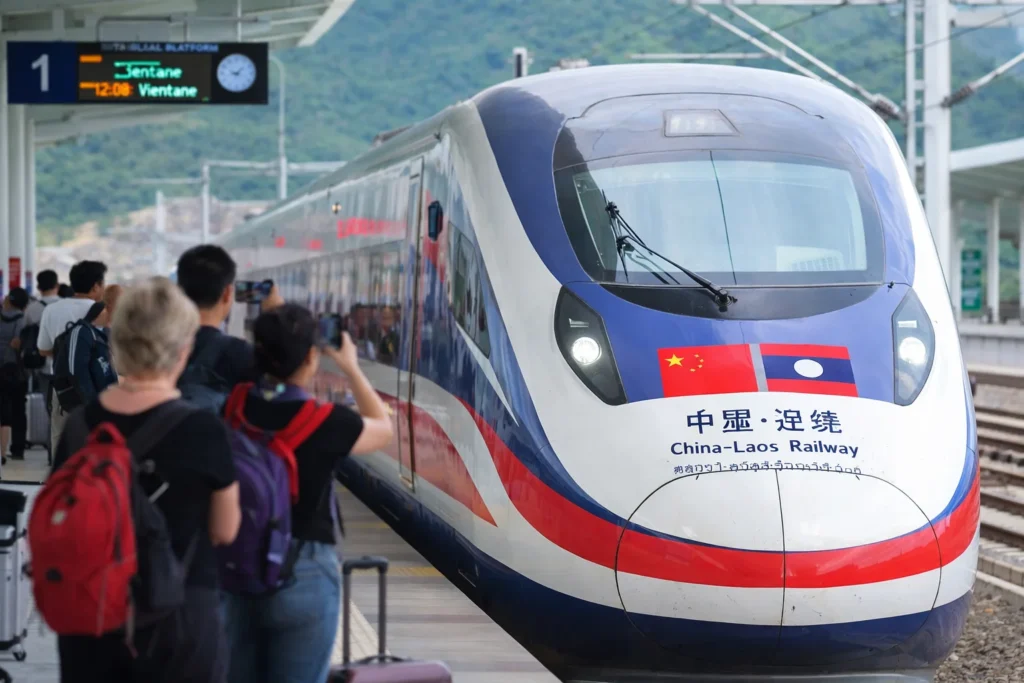
China-Laos Railway tourism is emerging as one of Asia’s strongest examples of how modern rail connectivity can transform regional travel, strengthen visitor economies, and deepen international cooperation. Since the launch of cross-border passenger services, the railway has become a major driver of tourism growth between China and Laos, attracting travelers from around the world while creating new business opportunities along the route.
Official updates show that more than 800,000 international passengers from over 120 countries and regions have used the cross-border service since operations began. The growing demand highlights how efficient transport links can unlock tourism potential, improve destination access, and encourage multi-country travel experiences across Southeast Asia.
China-Laos Railway Becomes a Tourism Growth Engine
The China-Laos Railway connects major cities and tourism centers, making it easier for travelers to explore destinations that were once harder to reach. The route links Kunming in China’s Yunnan Province with popular tourism locations including Xishuangbanna, Luang Prabang, and Vientiane.
This improved accessibility has helped reshape travel patterns. Instead of relying only on air travel or longer road journeys, tourists can now enjoy a faster and more convenient rail experience while moving between cultural cities, natural attractions, and heritage destinations.
Tourism boards and local authorities increasingly view modern transport infrastructure as a foundation for long-term visitor growth. When travel becomes simpler, more reliable, and more affordable, tourism demand often rises across multiple markets.
Cross-Border Passenger Numbers Show Strong Demand
The rising number of international rail passengers demonstrates the strong appeal of seamless regional travel. Travelers today increasingly look for journeys that combine convenience, comfort, sustainability, and authentic experiences.
Rail tourism offers several advantages:
Easy City-to-City Access: Direct links reduce transfer stress and save travel time.
Scenic Travel Experiences: Passengers enjoy landscapes and local culture along the route.
Flexible Itineraries: Visitors can combine multiple destinations in one trip.
Affordable Options: Rail can offer competitive pricing compared with some air routes.
Sustainable Travel Appeal: Many travelers are choosing lower-emission transport options.
These factors are helping the China-Laos Railway become more than a transport corridor—it is becoming a travel experience in itself.
Tourism Destinations Along the Route Benefit
The railway has created fresh momentum for destinations on both sides of the border. Cities connected by rail are seeing stronger demand for hotels, restaurants, attractions, shopping areas, and local transport services.
Kunming
Known for its mild climate, gardens, ethnic culture, and gateway role to Yunnan, Kunming benefits from increased international arrivals and stronger regional visibility.
Xishuangbanna
Famous for tropical scenery, biodiversity, Dai culture, and eco-tourism, Xishuangbanna has become a standout beneficiary of improved rail access.
Luang Prabang
A UNESCO-listed heritage city, Luang Prabang attracts visitors seeking temples, architecture, Mekong River scenery, and cultural immersion.
Vientiane
Laos’ capital city offers relaxed urban travel, riverside experiences, heritage landmarks, and growing business tourism opportunities.
As more travelers move between these destinations, tourism spending spreads across communities and local enterprises.
Economic Benefits Extend Beyond Tourism
While tourism growth is a major headline, the wider economic impact of the railway is equally significant. Improved connectivity encourages trade, investment, logistics efficiency, and workforce mobility.
Official trade data has shown strong growth in cross-border cargo movement, reflecting how transport infrastructure can support both passenger travel and commercial exchange.
For communities along the line, the benefits can include:
- New hospitality jobs
- Higher retail sales
- Expanded food and beverage demand
- Growth in tour services
- Better market access for local products
- Rising small business opportunities
- Stronger regional investment appeal
This combination of tourism and trade makes the railway a strategic development corridor rather than a single-purpose transport project.
New Travel Trends Emerging in Asia
The success of the route is also encouraging new tourism behavior. Multi-destination rail holidays are gaining popularity, especially among younger travelers, families, and experience-focused visitors who prefer slower, more immersive journeys.
Travel themes likely to grow include:
Rail and Culture Trips: Exploring heritage cities in one itinerary.
Nature Escapes: Combining tropical forests, mountains, and river landscapes.
Food Tourism: Sampling regional cuisine across borders.
Luxury Rail Packages: Premium tourism experiences with curated stops.
Backpacker Routes: Affordable overland journeys across Southeast Asia.
Festival Tourism: Easier access to cultural celebrations and seasonal events.
These evolving travel patterns create opportunities for tourism boards and private operators to develop new packages and visitor experiences.
Why Rail Connectivity Matters for Future Tourism
Across Asia, tourism demand is expanding rapidly, but travelers increasingly expect efficient infrastructure. Rail projects that connect neighboring countries can reduce travel friction and support balanced regional growth.
The China-Laos Railway demonstrates several lessons for future tourism development:
Connectivity Drives Demand: Easier access creates more visitors.
Shared Growth Is Possible: Multiple destinations benefit together.
Secondary Cities Gain Visibility: Tourism spreads beyond traditional hubs.
Infrastructure Builds Confidence: Reliable transport encourages bookings.
Cross-Border Cooperation Matters: Joint planning strengthens results.
As governments continue investing in transport networks, tourism is likely to remain one of the biggest beneficiaries.
Strong Outlook for China and ASEAN Tourism Cooperation
The railway also strengthens broader tourism ties between China and ASEAN markets. China remains one of the region’s most important outbound travel sources, while Southeast Asia continues to be highly attractive for Chinese travelers seeking nearby cultural and leisure destinations.
Likewise, improved rail access may encourage more travelers from Laos and neighboring countries to explore China’s southwest tourism offerings.
This two-way movement can support stronger people-to-people connections, cultural exchange, and repeat travel demand over time.
A Model for Sustainable Regional Development
The China-Laos Railway tourism boom shows how infrastructure can create long-lasting value when aligned with visitor demand, regional planning, and destination development. Instead of concentrating benefits in a single city, the route helps distribute tourism growth across many communities.
For travelers, it offers a new way to explore Asia through connected, scenic, and culturally rich journeys. For businesses, it creates fresh opportunities in hospitality, retail, and services. For governments, it provides a working model of practical regional cooperation.
As passenger demand continues to rise and tourism products evolve, China-Laos Railway tourism is set to play an even bigger role in shaping the future of cross-border travel in Asia.