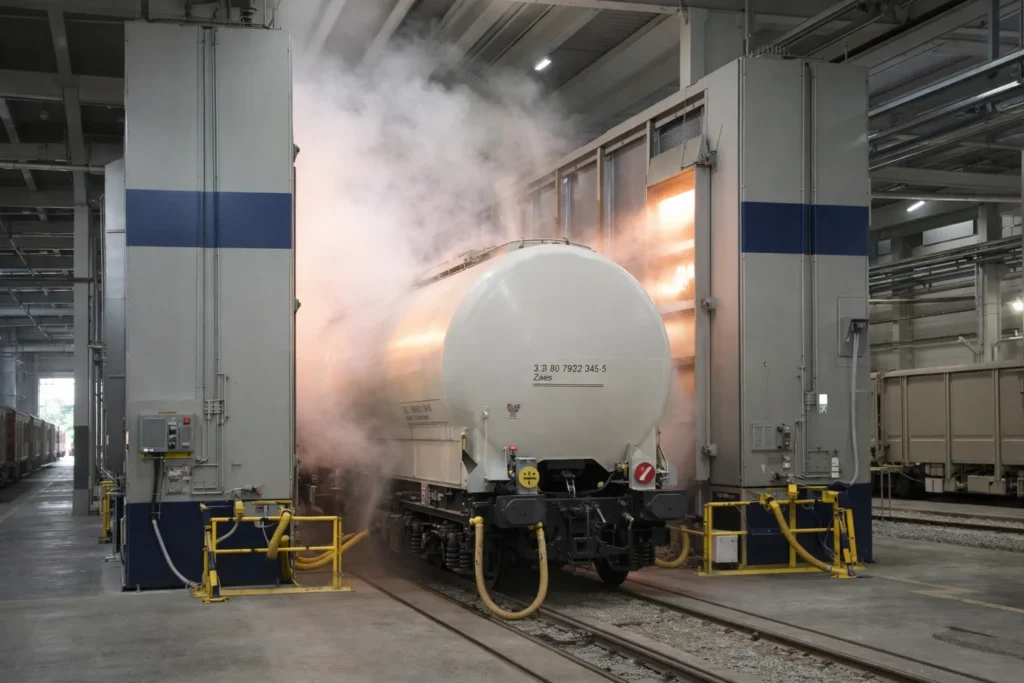
The rail car drying system market is forecast to expand steadily through 2035, reflecting a broader transformation in global rail infrastructure, logistics efficiency, and transport modernization. While the sector is primarily linked to freight operations, its growth also highlights wider benefits for tourism, passenger rail reliability, and sustainable transport systems worldwide.
According to the latest IndexBox market analysis, the global rail car drying system market is projected to grow at a compound annual growth rate of 4.2 percent from 2026 to 2035. This growth is being driven by stricter cargo quality standards, modernization of rail fleets, rising intermodal trade volumes, and demand for more efficient maintenance technologies.
For the travel industry, the trend demonstrates how rail investment is no longer limited to moving goods. It increasingly supports better stations, stronger maintenance ecosystems, cleaner rolling stock, and improved confidence in rail as a modern mode of transport.
Source: IndexBox
Why the Rail Car Drying System Market Matters Beyond Freight
Rail car drying systems are used to remove moisture from rail cars, containers, and rolling stock after cleaning, cargo changeovers, maintenance work, or wash cycles. This is essential for protecting goods such as food products, chemicals, pharmaceuticals, and other moisture-sensitive cargo.
However, the same focus on cleanliness, efficiency, and asset readiness also benefits passenger rail networks. Strong maintenance standards help keep trains available, interiors clean, equipment reliable, and service operations on schedule.
As countries invest in smarter rail systems, support technologies like drying equipment become an important part of the wider transport ecosystem.
That means the rail car drying system market is indirectly connected to tourism growth in regions where train travel is becoming more popular.
Rail Tourism Gains from Better Infrastructure
Rail tourism continues to expand globally as travelers seek scenic journeys, sustainable mobility, and convenient city-to-city travel. From Europe’s high-speed routes to Asia’s modern rail corridors and luxury trains in the Middle East, rail is becoming a larger part of the tourism experience.
Behind every successful passenger network is a strong maintenance and operations system. Drying technologies can support this by helping with:
Cleaner Train Interiors: Faster drying after deep cleaning and sanitization.
Reduced Downtime: Faster turnaround for trains returning to service.
Fleet Reliability: Better maintenance standards improve operational readiness.
Passenger Comfort: Dry, hygienic environments support higher service quality.
Sustainable Operations: Efficient systems reduce waste and energy use.
As tourism boards promote rail-based travel, these behind-the-scenes improvements become increasingly valuable.
Global Regions Driving Market Expansion
The strongest growth in the rail car drying system market is expected in regions making major investments in rail freight and passenger infrastructure.
Asia-Pacific
Asia-Pacific is forecast to remain the largest and fastest-growing market. Large-scale rail development in China, India, and Southeast Asia is creating demand for modern service facilities, inland logistics hubs, and integrated rail maintenance systems.
This growth also supports tourism by improving long-distance passenger routes, cross-border rail travel, and domestic mobility.
North America
North America is expected to see steady growth through replacement demand and technology upgrades. Freight hubs, agricultural corridors, and intermodal terminals are modernizing older systems to improve efficiency.
Passenger rail improvements in selected corridors may also benefit from broader infrastructure investment.
Europe
Europe’s mature rail market continues to evolve through sustainability targets, modal shift policies, and strict cargo handling standards. As rail travel remains central to European tourism, investment in support systems strengthens the overall network.
Middle East
The Middle East is an emerging opportunity, especially in Gulf markets such as Saudi Arabia and the UAE where major rail projects, logistics zones, and tourism developments are underway.
Latin America and Africa
These regions offer long-term growth potential as new trade corridors and rail modernization programs expand over time.
Technology Trends Reshaping Rail Systems
The market is moving beyond basic drying equipment into more advanced solutions that combine automation, data monitoring, and energy efficiency.
Expected trends through 2035 include:
Hybrid Drying Systems: Combining hot air, desiccant, and vacuum technologies for faster performance.
Predictive Maintenance: Sensors that monitor system health and reduce breakdown risk.
Automated Facilities: Smart yards and depots with integrated wash-and-dry operations.
Energy Recovery Systems: Lower power consumption and improved sustainability.
Digital Compliance Logs: Verified records for cargo safety and maintenance standards.
These innovations align with the needs of both freight operators and passenger rail networks.
Why Tourism Should Watch This Market
At first glance, drying systems may seem far removed from tourism. But modern visitor economies depend on efficient transport systems. Trains that run on time, remain clean, and operate reliably help destinations attract more travelers.
Rail plays an increasingly important role in:
- Sustainable tourism strategies
- Domestic short-break travel
- Airport-to-city connections
- Multi-country itineraries
- Scenic route experiences
- Urban commuter tourism access
- Event travel and business mobility
As rail networks grow, every support technology that improves performance can contribute to stronger visitor experiences.
Sustainability and Smart Mobility Benefits
Many governments are promoting rail as a cleaner alternative to road and short-haul air travel. Sustainable transport is now a major priority for tourism planners and destination marketers.
Modern rail support systems, including advanced drying technologies, can reduce waste, improve water use efficiency, and lower energy demand in maintenance facilities.
This supports broader environmental goals while helping rail operators meet new standards for greener mobility.
Travelers are increasingly aware of sustainability when choosing how to move between destinations, making rail investment strategically important.
Long-Term Outlook Through 2035
With a projected 4.2 percent annual growth rate, the rail car drying system market is expected to remain on a stable upward path through 2035. The pace of expansion reflects continued confidence in rail as a core part of future logistics and transport systems.
For freight companies, the benefits include cargo protection, faster turnaround, and lower operating risks.
For tourism and passenger mobility, the impact may be less visible but equally important: stronger infrastructure, better train readiness, and more reliable rail journeys.
A Quiet but Important Growth Story in Global Travel
The rail car drying system market may not attract the same headlines as new high-speed trains or airport openings, but it represents a crucial layer of transport modernization. Efficient rail systems depend on smart maintenance, advanced operations, and continuous investment in support technology.
As destinations worldwide embrace sustainable travel and rail tourism expands, these systems will play a growing role in shaping better journeys.
From cargo efficiency to cleaner passenger fleets, the rail car drying system market is becoming an important part of the future of global travel.
For more travel news like this, keep reading Global Travel Wire