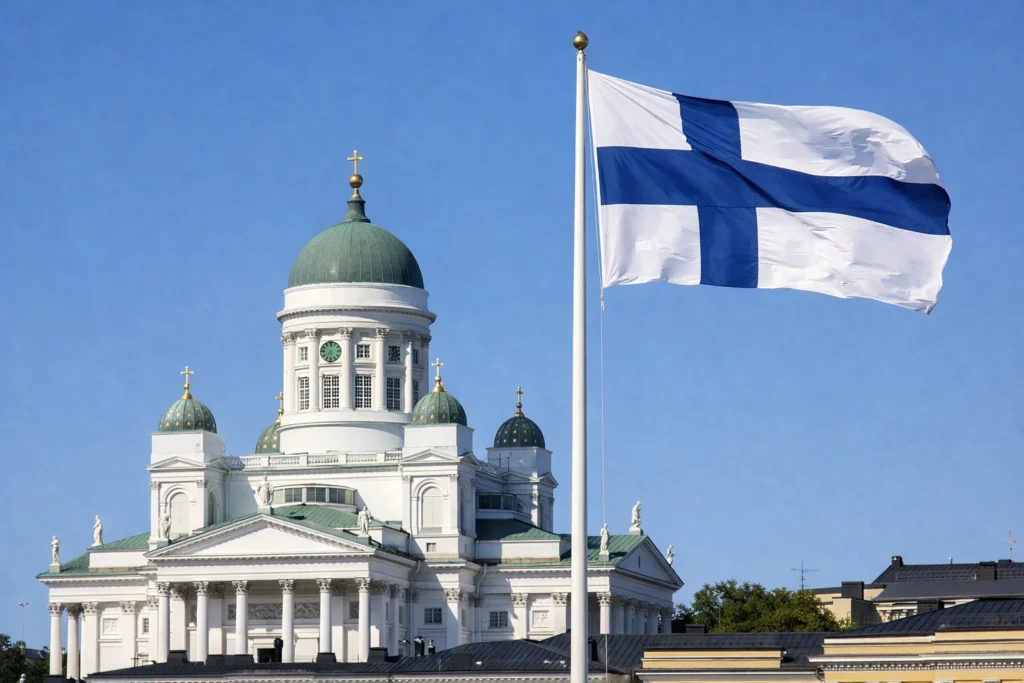
Finland has expanded its Middle East travel advisory to cover ten countries as authorities respond to changing regional conditions, transport disruption, and security concerns. The updated guidance from Finland’s Ministry for Foreign Affairs includes Qatar, Iran, Turkey, United Arab Emirates, Egypt, Oman, Saudi Arabia, Lebanon, Jordan, and Iraq.
The advisory is designed to help Finnish citizens make informed travel decisions while strengthening emergency support services for those already in the region. Officials have also activated round-the-clock consular assistance, offering travellers access to guidance, emergency contacts, and practical support if conditions change quickly.
For the tourism sector, the development highlights the growing importance of official travel guidance, flexible planning, and real-time support for international travellers navigating uncertain situations.
Why Finland Expanded the Advisory
Travel advisories are updated when governments assess changing risks linked to security, transport access, civil conditions, or regional tensions. In this case, Finland’s expanded advisory follows concerns over flight disruptions, operational uncertainty, and evolving geopolitical developments across parts of the Middle East.
Such advisories are intended to inform citizens rather than stop all travel automatically. They help travellers understand conditions in specific destinations and prepare accordingly.
By broadening its regional guidance, Finland is ensuring that citizens receive updated information across multiple countries that are popular for tourism, business travel, transit connections, and family visits.
Countries Included in the Update
The revised advisory now covers ten destinations across the Gulf, Eastern Mediterranean, and surrounding region:
- Qatar
- Iran
- Turkey
- United Arab Emirates
- Egypt
- Oman
- Saudi Arabia
- Lebanon
- Jordan
- Iraq
Each destination may carry a different level of caution depending on local conditions, transport access, and security assessments.
This country-by-country approach allows travellers to better understand specific circumstances rather than viewing the entire region as one uniform travel market.
24/7 Consular Support Activated
One of the most important elements of the announcement is the activation of 24/7 consular support. This means Finnish nationals can access emergency assistance at any time through embassies, consulates, or official emergency channels.
Support may include:
- Emergency travel guidance
- Help during transport disruptions
- Contact assistance during urgent situations
- Information on safe departure options
- Documentation support where required
- Updates on local developments
For travellers overseas, fast access to reliable official support can be critical when flights are delayed, routes change, or local conditions shift unexpectedly.
Impact on Tourism and Travel Planning
The advisory comes at a time when the Middle East remains an important region for tourism and global connectivity. Cities such as Dubai, Doha, Abu Dhabi, Istanbul, Muscat, Cairo, and Riyadh are major hubs for leisure travel, stopovers, conferences, and long-haul connections.
For tourists, the update does not necessarily mean travel plans must be cancelled. Instead, it means travellers should plan more carefully, monitor official advice, and stay informed before departure.
Many visitors continue travelling safely to destinations across the region every day, but preparedness is increasingly important.
Popular Tourism Markets Affected
Several countries included in the advisory are among the most visited destinations in the wider region.
United Arab Emirates
The UAE remains a leading destination for luxury holidays, city breaks, shopping, and family travel.
Qatar
Qatar continues attracting visitors through events, stopovers, and premium hospitality experiences.
Turkey
Turkey is a major tourism market known for culture, coastlines, history, and city travel.
Egypt
Egypt remains globally popular for ancient heritage tourism, Red Sea holidays, and Nile experiences.
Oman and Saudi Arabia
Both countries are expanding tourism rapidly through heritage projects, nature travel, and new hospitality developments.
The inclusion of these destinations shows how advisories can affect even high-profile tourism markets.
What Travellers Should Do Now
Finnish citizens travelling to or through the region are encouraged to follow official guidance closely and register travel details where recommended.
Useful travel steps include:
- Check official travel advice before departure
- Register travel plans if available
- Confirm flight schedules regularly
- Keep embassy contact details saved
- Carry digital and printed travel documents
- Maintain flexible itineraries
- Ensure travel insurance is suitable
- Monitor airline notifications
These practical measures can reduce stress and improve readiness during changing conditions.
Why Official Guidance Matters
Travel advisories issued by governments are valuable because they are based on diplomatic reporting, security analysis, and direct coordination with authorities on the ground. For travellers, this can be more reliable than relying on rumours or unverified online updates.
Tourism confidence often depends on access to clear and trustworthy information. When governments communicate transparently and offer support services, travellers are better equipped to make safe choices.
This also helps the travel industry, as informed passengers are more likely to rebook, adapt plans, and continue travelling responsibly.
Middle East Travel Remains Important Globally
Despite periodic disruption, the Middle East remains one of the world’s most significant travel regions. It includes major airline hubs, world-famous heritage sites, luxury resorts, pilgrimage centres, and rapidly growing city destinations.
Strong tourism demand continues across many markets, and airlines, airports, and tourism boards remain active in welcoming visitors.
The current focus is therefore less about stopping travel entirely and more about improving awareness, flexibility, and preparedness.
Outlook for Travellers
Finland’s expanded travel advisory is a reminder that international travel can change quickly. However, with good planning, official guidance, and access to consular support, travellers can navigate uncertainty more effectively.
For tourists considering the Middle East, staying informed is now as important as choosing flights and hotels. As conditions evolve, destinations across the region are expected to continue balancing tourism growth with traveller safety and operational resilience.
For more travel news like this, keep reading Global Travel Wire