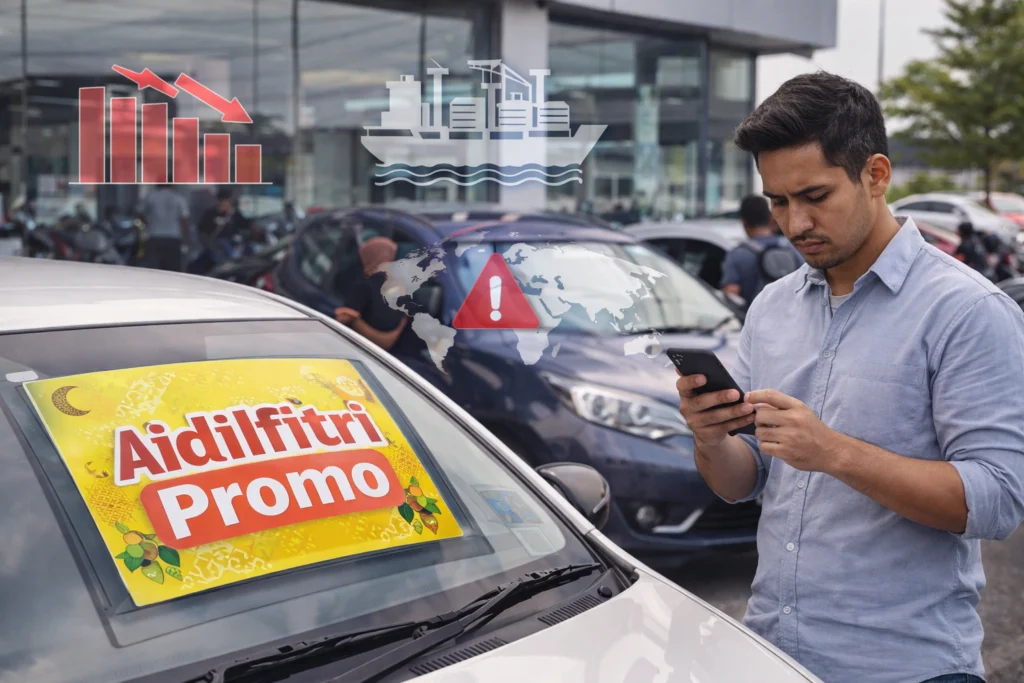
Malaysia is seeing a softer consumer mood in 2026 as post-Aidilfitri spending patterns, global uncertainty, and supply chain pressures begin to affect car demand and wider mobility confidence. What would normally be a period of stronger post-festive momentum has instead become a season of hesitation.
The shift matters beyond the automotive sector. Car purchases often reflect household confidence, travel intentions, and willingness to commit to larger lifestyle spending. When demand cools, it can signal a broader pause in how consumers approach movement, domestic travel, and future expenses.
For Malaysia’s tourism and mobility economy, the current trend suggests consumers remain active, but more selective than before.
Festive Spending Did Not Turn Into Lasting Momentum
Aidilfitri traditionally supports strong retail and transport activity across Malaysia. Families travel, households spend, and major purchases often follow festive celebrations.
This year, however, that momentum appears to have faded more quickly than expected.
Consumers continued visiting showrooms and researching options, yet many delayed final decisions. The pattern points less to falling interest and more to rising caution.
After seasonal spending, many households appear focused on rebuilding budgets, reassessing priorities, and waiting for greater certainty before making high-value commitments.
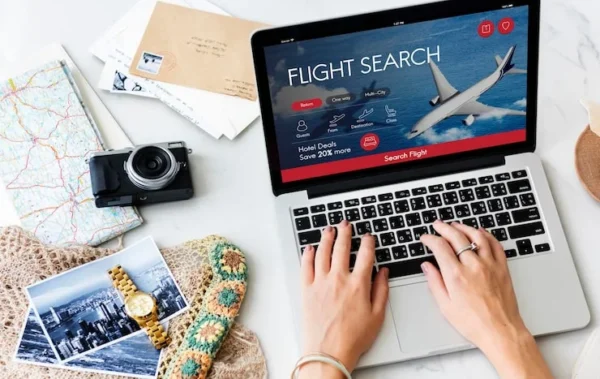
That same mindset can influence travel planning, where families may still take trips but choose shorter breaks, domestic destinations, or lower-cost options.
Why Mobility Confidence Matters for Travel
Car demand and travel confidence are closely linked in markets where domestic road journeys play a major role.
When consumers feel secure financially, they are more likely to buy vehicles, upgrade transport, and plan leisure travel. When confidence weakens, spending often shifts toward essentials.
In Malaysia, road travel remains important for family holidays, regional breaks, and festival reunions. Therefore, softer mobility sentiment can ripple into hotel bookings, attraction visits, and weekend travel demand.
The issue is not whether people will travel at all. It is how much they spend, how far they go, and how often they move.
Global Tensions Add Pressure
Another factor shaping consumer behavior is international uncertainty, including geopolitical tensions in West Asia.
Even when events happen far from home, they can affect sentiment through energy prices, shipping costs, and economic headlines. Consumers often respond by delaying non-essential purchases until the outlook feels clearer.
That reaction is visible in many markets worldwide, and Malaysia is no exception.
When households hear constant news about volatility, they often choose flexibility over commitment. In practical terms, that can mean postponing a vehicle purchase, reducing luxury spending, or waiting before confirming larger travel plans.
Supply Chains Still Influence the Market
At the same time, supply chain issues continue to challenge the market behind the scenes.
Importers and dealers face delays linked to logistics bottlenecks, shipment schedules, and distribution timing. Even where demand exists, slower deliveries can complicate customer decisions and weaken urgency.
For travelers, transport availability and pricing can also be affected when wider mobility systems experience pressure.
Although these disruptions are less visible than consumer hesitation, they remain an important part of the overall picture.
Markets recover faster when confidence and supply move together. Right now, both remain uneven.
Prices Stable, But Sensitivity Is Rising
Vehicle prices have not seen dramatic changes, helping the market avoid sharper declines.
However, consumers remain highly price-sensitive. Many buyers now compare financing options more carefully, research total ownership costs, and delay decisions unless offers feel compelling.
That same behavior appears across travel spending.
Households increasingly compare destinations, wait for promotions, and prioritize value when booking flights, hotels, or family holidays.
Stable prices help, but confidence often matters more than pricing alone.
Electric Mobility Still Advances
Electric vehicles continue to attract interest in Malaysia, though growth has become more measured.
Consumers remain curious about lower running costs, sustainability benefits, and modern features. Yet many are taking longer to commit as they evaluate charging access, financing, and long-term affordability.
This slower but steady progress mirrors broader travel behavior in 2026.
People still want new experiences and smarter mobility options, but they are making decisions more carefully than during high-growth periods.
What This Means for Tourism Businesses
Tourism operators should not read caution as collapse.
Instead, the current environment calls for stronger value propositions, flexible offers, and messaging that aligns with practical consumer needs.
Domestic tourism may benefit when travelers choose closer-to-home getaways instead of expensive long-haul plans. Budget-friendly hotels, regional attractions, and drive-to destinations could remain well placed.
Businesses that understand cautious optimism rather than fear are more likely to perform well.
Outlook for the Rest of 2026
Industry observers expect steady but subdued conditions unless confidence improves.
That means no dramatic downturn, but limited acceleration without clearer economic signals and smoother global conditions.
For travel and mobility sectors alike, recovery now depends less on raw demand and more on consumer certainty.
A Market Waiting for Momentum
Malaysia’s current slowdown reflects a wider global reality: people still want to move, travel, and invest in experiences, but they want stronger reasons to spend.
The country’s mobility market is not retreating. It is pausing.
When confidence returns, demand could move quickly again. Until th
For more travel news like this, keep reading Global Travel Wire