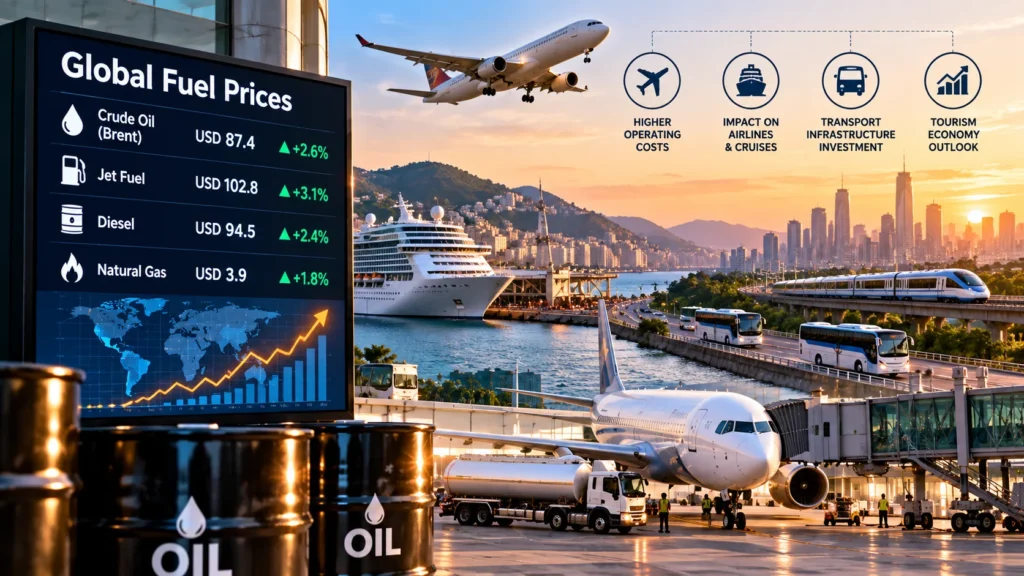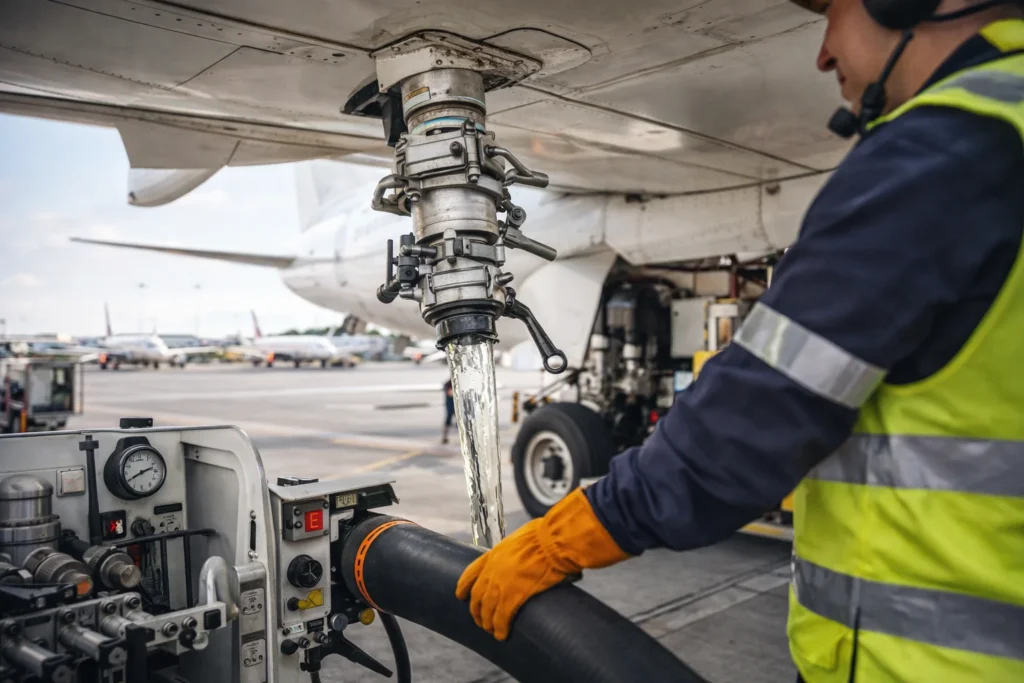
Air travel in India could become more expensive in 2026 after a sharp rise in aviation turbine fuel prices, increasing pressure on airlines, travellers and the wider tourism industry. With jet fuel costs climbing significantly across major airports, airlines may be forced to adjust fares, add surcharges or review route strategies in the weeks ahead.
Fuel remains one of the biggest operating expenses for airlines. When prices rise sharply, the effects are often felt quickly through ticket prices, reduced promotional fares and changes in flight capacity. For tourism, this matters because affordable flights are one of the main drivers of domestic holidays, weekend breaks and international travel demand.
As India’s travel market continues to grow, the latest cost pressure could influence how people plan trips this year.
Why Jet Fuel Prices Matter to Tourism
Airlines depend on stable fuel costs to manage pricing and route networks. When aviation fuel rises dramatically, carriers often have limited options. They may absorb part of the increase, but sustained pressure usually leads to higher passenger costs.
For the tourism sector, this can affect:
- Domestic holiday affordability
- International trip demand
- Last-minute travel bookings
- Airline promotional offers
- Regional connectivity
- Travel package pricing
- Family vacation budgets
Because air travel connects India’s large geography, fare changes can influence tourism patterns nationwide.
Major Indian Airports Face Higher Fuel Costs
Updated fuel rates at key Indian airports show the scale of the increase. Large hubs such as Delhi, Mumbai, Kolkata and Chennai are all facing significantly higher aviation fuel costs.
These airports are among the country’s busiest gateways for:
- Domestic tourism traffic
- International departures
- Business travel
- Visiting friends and relatives travel
- Student and migrant movement
- Religious tourism
When costs rise at major hubs, the impact can spread across airline networks and traveller choices.
Domestic Travel Could Feel the Pressure First
India’s domestic tourism market has expanded rapidly in recent years, supported by affordable fares, more route options and growing interest in short breaks. Many travellers now fly for weekend holidays, destination weddings, festivals and family visits.
If fares rise, some passengers may become more selective about when and where they travel.
Possible changes in behaviour include:
- Booking earlier to secure lower fares
- Choosing trains for shorter journeys
- Taking fewer short breaks
- Travelling during off-peak dates
- Selecting nearby destinations
- Prioritising essential trips over leisure travel
Domestic tourism is likely to remain strong, but value sensitivity may increase.
International Travel May Become Costlier
Higher fuel prices also affect outbound international travel, especially on long-haul routes where fuel expenses are greater. Travellers planning holidays to Europe, Southeast Asia, the Middle East or Australia may notice rising fares if costs remain elevated.
International travellers could see:
- Higher summer holiday prices
- Fewer discount fares
- Increased peak-season demand pressure
- More interest in nearby short-haul markets
- Greater value in package deals
Popular short-haul destinations may continue performing well if travellers seek better value closer to home.
Airlines Face a Tough Balancing Act
Indian airlines are navigating multiple pressures in 2026, including fuel costs, currency movements, fleet expansion needs and strong passenger demand. Raising fares too aggressively may reduce bookings, while absorbing all additional costs can hurt profitability.
Airlines may respond through a mix of strategies:
- Dynamic pricing adjustments
- Fuel surcharges on selected routes
- Capacity shifts to profitable markets
- Promotional offers on weaker dates
- Greater focus on ancillary revenue
- Schedule optimisation
The coming months will likely show how carriers balance growth with cost discipline.
Why Travellers Still Prioritise Experiences
Even in a higher-cost environment, many people continue to prioritise travel for holidays, reunions and major life events. Tourism demand has shown resilience because experiences remain highly valued by consumers.
Many travellers are still willing to spend on:
- Family vacations
- Honeymoons
- Religious journeys
- International holidays
- Festival travel
- Bucket-list experiences
This means demand may soften in some segments but remain strong in others.
Rail and Road Travel Could Benefit
When airfares rise, alternative transport modes often become more attractive. India’s expanding rail network and extensive road connectivity may benefit, particularly for shorter domestic routes.
Destinations within easy train or driving distance of major cities could gain additional interest from price-conscious travellers.
This may support tourism in regions popular for:
- Weekend getaways
- Hill station travel
- Heritage circuits
- Wellness retreats
- Beach holidays close to metro cities
Multi-modal travel choices are becoming increasingly important for tourism resilience.
Travel Tips for 2026 Holiday Planning
Travellers can still find good value by adjusting booking habits and staying flexible.
Useful strategies include:
- Book earlier than usual
- Compare weekday and weekend fares
- Monitor fare alerts
- Consider nearby airports
- Use bundled hotel and flight deals
- Travel in shoulder seasons
- Stay flexible with dates
Smart planning can help reduce the impact of rising airfare trends.
Tourism Businesses Must Adapt Too
Hotels, tour operators and destination marketers may need to respond if travellers become more budget-conscious. Value-focused packages and longer-stay incentives could become more important.
Destinations that offer strong experiences at competitive overall trip costs may perform best.
Tourism businesses can focus on:
- Bundled offers
- Added-value experiences
- Flexible booking terms
- Local partnerships
- Short-break promotions
- Off-season campaigns
Affordability and convenience will be key messages.
Outlook for Indian Tourism
India’s long-term tourism outlook remains positive thanks to rising incomes, strong travel aspirations and a large domestic market. However, higher fuel prices may create short-term pricing pressure across aviation.
If fuel markets stabilise later in the year, airlines may restore more aggressive promotions and broader fare competition. If volatility continues, travellers may need to plan more strategically.
Final Tourism Outlook
The sharp rise in jet fuel prices is set to become one of India’s biggest travel stories of 2026. While airfare increases may challenge some holiday plans, demand for travel remains strong.
For travellers, flexibility and early booking will be essential. For airlines, efficient operations and smart pricing will be critical. For tourism destinations, delivering value will matter more than ever as India’s travel market adjusts to a new cost reality.