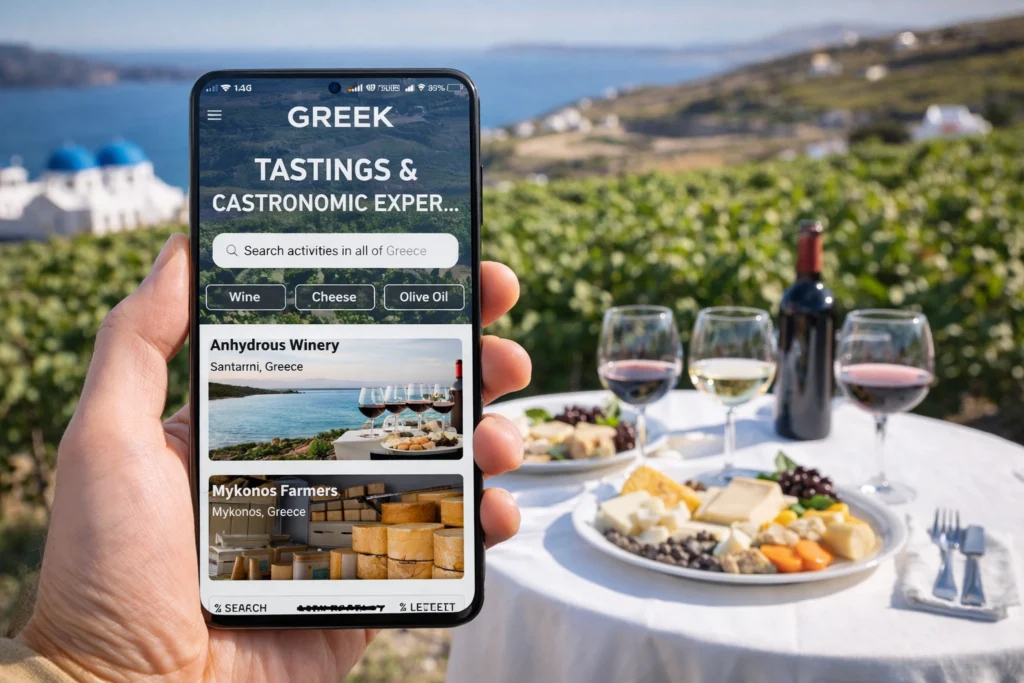
Greek culinary tourism is entering a new growth phase as a digital platform reshapes how international travelers discover the country through food, wine, and authentic local experiences. The shift highlights a broader transformation in Greece’s tourism strategy, where gastronomy now stands alongside beaches, islands, and ancient heritage as a major travel draw.
The new platform, created to connect visitors with producers and regional experiences, offers a one-stop gateway for travelers seeking immersive food-focused journeys across the country. By combining technology with tradition, the initiative is helping Greece unlock fresh tourism demand while supporting local communities.
For travelers, the result is a richer and more personal way to explore one of Europe’s most iconic destinations.
Food Travel Moves to the Mainstream
For decades, Greece built its global tourism image around sun-soaked islands, coastal resorts, and archaeological landmarks. Those attractions remain powerful, yet traveler preferences continue to evolve.
Many visitors now seek meaningful experiences tied to culture, local identity, and everyday life. Culinary tourism meets that demand by turning meals, markets, vineyards, and farm visits into memorable travel moments.
In Greece, the opportunity is especially strong.
The country offers world-famous olive oil, wines, cheeses, seafood, herbs, and recipes shaped by centuries of regional tradition. By placing food at the center of the visitor journey, Greece can diversify tourism beyond classic sightseeing routes.
That strategy can also spread economic benefits into rural areas often overlooked by mainstream tourism flows.
A Digital Gateway to Authentic Greece
The new gastronomy platform was designed to solve a long-standing challenge: discoverability.
Although Greece has thousands of exceptional small producers and authentic food experiences, international travelers often struggled to find them in one place. Many offers remained fragmented, local, or difficult to book from abroad.
The platform changes that by bringing experiences together in a single digital ecosystem.
Travelers can browse wineries, olive groves, cooking classes, tastings, farm visits, and regional food tours through one interface. This makes planning easier while giving smaller businesses access to a global audience.
For Greece’s tourism economy, better visibility can translate into more bookings, longer stays, and higher-value visitor spending.
Organized Experiences Build Traveler Confidence
Convenience and trust now play a major role in travel decisions.
The platform allows users to filter experiences by location, type, and season, helping them build personalized itineraries across the Greek mainland and islands. A traveler visiting Crete can search for cheese-making workshops, while another exploring the Peloponnese may choose olive oil tastings or vineyard tours.
User reviews add another layer of confidence.
For international visitors unfamiliar with local providers, transparent feedback can make booking decisions easier and faster. This is especially valuable in the growing experience economy, where travelers want reassurance before committing time and money.
Beyond Bookings: Full Journey Support
The platform extends beyond simple reservations.
Integrated transport services help travelers reach rural estates, mountain villages, or remote wineries that may sit outside standard tourist routes. This “last-mile” support can make the difference between interest and actual booking.
Educational tools also enhance the experience. A glossary of Greek gastronomic terms helps visitors understand ingredients, cooking methods, and culinary traditions before they arrive.
In addition, a calendar of local festivals and food events allows travelers to time visits around harvest celebrations, seasonal fairs, and community gatherings.
These features transform food tourism from a meal-based activity into a deeper cultural exchange.
Strong Benefits for Local Communities
Culinary tourism often delivers benefits beyond major cities and coastal resorts.
When travelers visit farms, wineries, village kitchens, and artisan workshops, spending reaches producers directly. This supports family businesses, preserves traditions, and creates new reasons for younger generations to remain in rural communities.
For Greece, where many regions seek sustainable year-round tourism, that matters greatly.
Food experiences also tend to attract travelers who spend more on quality products, guided tours, accommodation, and transport. As a result, gastronomic tourism can increase value without necessarily increasing mass visitor volumes.
That balance aligns with the global shift toward smarter and more sustainable tourism growth.
Why Greece Is Well Positioned
Few destinations can match Greece’s combination of culinary heritage, landscapes, and hospitality culture.
The Mediterranean diet already enjoys global recognition for its health benefits. Greek cuisine adds strong storytelling through local ingredients, ancient methods, and regional diversity.
Visitors can taste volcanic wines in Santorini, sample mountain honey in Epirus, join seafood feasts on island harbors, or learn family recipes in village kitchens.
This variety allows Greece to appeal to luxury travelers, wellness visitors, couples, solo explorers, and cultural tourists alike.
The Future of Greek Tourism Is on the Table
The rise of Greek culinary tourism shows how destinations can evolve by focusing on authenticity rather than scale alone.
Technology is helping Greece bring hidden experiences into the global spotlight while preserving the local character that makes them special.
For travelers, that means future trips to Greece may involve far more than beaches and monuments. They may include vineyard tastings, harvest festivals, cooking lessons, and direct encounters with the people behind the products.
In the next chapter of Greek tourism, the journey will not only be about where travelers go.
It will also be about what they taste, who they meet, and the stories they bring home.
For more travel news like this, keep reading Global Travel Wire