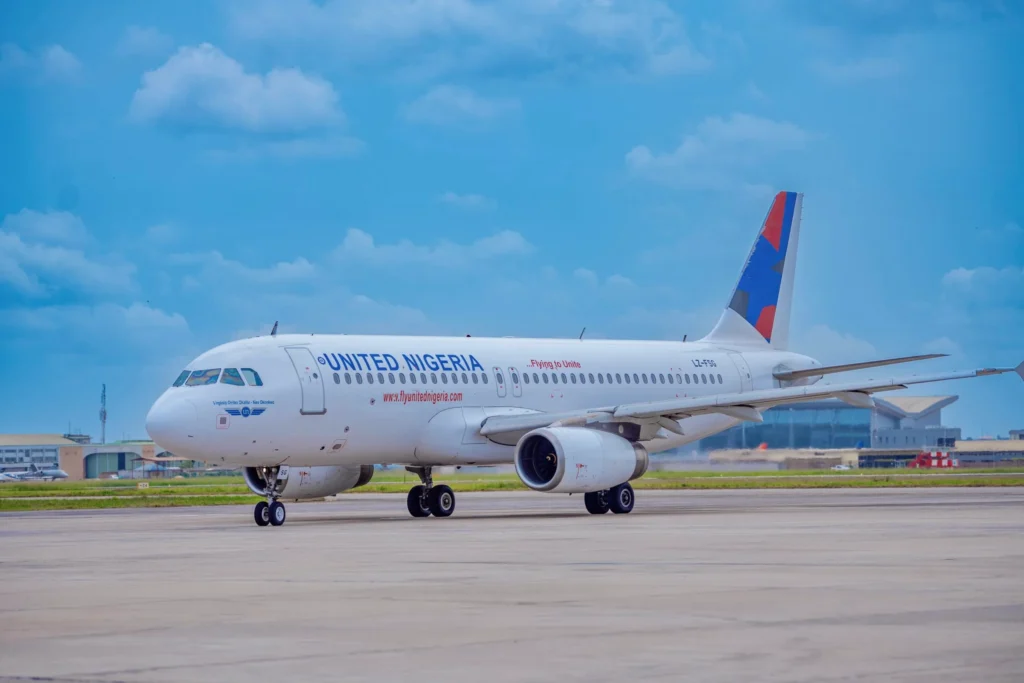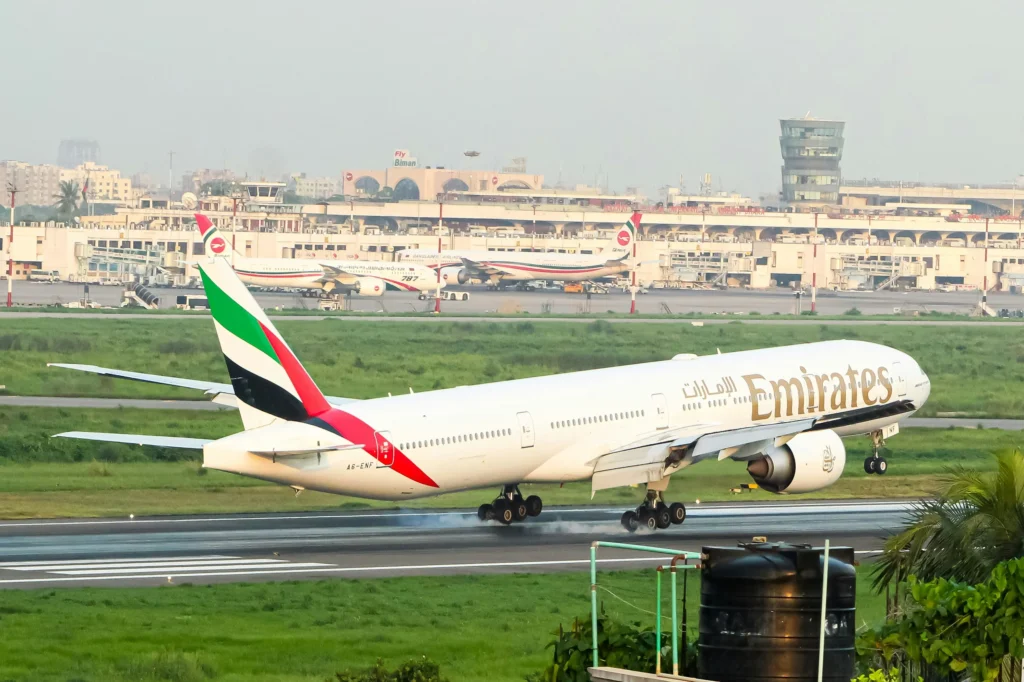
Dubai has extended temporary operating limits on foreign airlines through the end of May 2026, a move that could influence regional tourism flows, airfare trends and travel planning across one of the world’s busiest aviation corridors. The restrictions affect access to Dubai International Airport and Dubai World Central, both of which play a major role in connecting travellers between Asia, Europe, Africa and the Middle East.
For the tourism industry, the decision is significant because Dubai remains one of the most popular global destinations for leisure breaks, family holidays, luxury travel and business events. Any change in airline capacity can quickly shape visitor arrivals, booking patterns and route demand.
The latest extension means some foreign airlines will continue operating with reduced frequency until airport capacity conditions improve.
Why Dubai’s Airports Matter to Global Tourism
Dubai’s two major airports are central to the city’s success as a tourism powerhouse. Dubai International Airport has long ranked among the busiest international airports in the world, while Dubai World Central is positioned to support future growth in aviation and logistics.
Together, they connect millions of travellers to Dubai’s beaches, resorts, retail districts, entertainment hubs and conference venues. The city’s tourism model depends heavily on efficient air access, making airport operations closely linked to hotel occupancy, visitor spending and event attendance.
Dubai’s global appeal continues to be driven by:
- Luxury hospitality and resorts
- Shopping and entertainment
- Family attractions and theme parks
- Beaches and desert experiences
- Major exhibitions and conferences
- Strong connectivity for stopover tourism
- Easy access from India, Europe and Africa
Because air connectivity is so important, even temporary flight caps can create noticeable market effects.
What the Temporary Airline Caps Mean
Under the current arrangement, certain foreign carriers are reportedly limited to one daily round trip to Dubai airports until the end of May. While services continue, airlines with stronger demand may be unable to operate their preferred schedules.
This matters most during busy travel periods when passengers want more departure choices, convenient timings and competitive fares.
Capacity controls can lead to:
- Fewer daily flight options
- Higher demand for available seats
- Earlier sell-outs on peak dates
- Greater pressure on airline schedules
- More connecting itineraries instead of direct flights
- Higher fares on popular routes
For travellers, the key message is that Dubai remains open and welcoming, but booking strategy may become more important during the restriction period.
India-UAE Tourism Corridor Under Spotlight
The India-UAE market is one of the strongest short-haul travel corridors in the world. Indian travellers visit Dubai for holidays, shopping, business trips, family visits and event travel throughout the year.
Dubai also benefits from a large Indian expatriate community, creating consistent two-way demand. This makes Indian carriers especially sensitive to any restrictions on flight frequency.
Strong demand between India and Dubai is supported by:
- Short flight durations from major Indian cities
- Frequent leisure travel during school holidays
- Wedding and celebration travel
- Shopping tourism
- Weekend city breaks
- Business and trade links
- Visiting friends and relatives traffic
With fewer flight options available, passengers from India may need to plan earlier and remain flexible on dates.
Impact on Summer Holidays and Family Travel
The extension runs into a period when many travellers begin planning summer vacations. Families looking for quick international getaways often place Dubai high on their shortlist due to its convenience, premium hotels and child-friendly attractions.
Travel advisors may see increased demand for packaged holidays that secure flights and accommodation together. Fixed packages can become more attractive when independent airfares rise or direct seats become limited.
Families planning trips in coming weeks may benefit from:
- Booking as early as possible
- Choosing weekday departures
- Comparing multiple airports of origin
- Looking at shoulder-season dates
- Considering bundled holiday offers
- Monitoring airline schedule updates
Benefits for Dubai’s Tourism Brand Remain Strong
Despite temporary airline restrictions, Dubai’s long-term tourism fundamentals remain solid. The city has invested heavily in infrastructure, hospitality development and destination marketing. Its global brand remains strong among repeat visitors and first-time travellers alike.
Dubai continues to attract visitors through year-round experiences such as:
- Luxury hotels and beachfront stays
- Culinary tourism
- Water parks and indoor attractions
- Cultural districts and heritage areas
- Sports events and concerts
- Wellness travel and spa tourism
- Cruise and stopover tourism
This means demand is likely to remain resilient even if short-term airline supply tightens.
Could Airfares Increase?
Whenever demand stays high while available seats become more limited, airfare increases become more likely. Not every route or travel date will rise equally, but weekends, holidays and last-minute departures often feel the strongest impact.
Travellers looking for value should monitor promotions, compare travel dates and book early where possible.
Flexible travellers may also benefit from travelling outside peak departure windows or extending trips by a day or two to access better pricing.
Regional Aviation and Tourism Outlook
Dubai’s role goes beyond destination tourism. It is also one of the world’s leading transit hubs, connecting passengers onward to Europe, Africa and the Americas. Reduced frequencies on inbound routes may affect some connecting journeys and create higher competition for preferred flights.
However, the broader Middle East tourism market remains strong, supported by expanding hospitality investment, major events and growing airline networks across the region.
Once airport capacity improves and restrictions ease, airlines are expected to respond quickly with restored schedules and additional seats.
What to Expect Next
The next few weeks will be closely watched by airlines, travel companies and holidaymakers. If capacity conditions improve sooner than expected, additional slots may become available. That could help stabilize fares and expand options for travellers.
For now, passengers planning Dubai trips should treat early booking as the best strategy.
Final Tourism Outlook
Dubai’s extended foreign airline caps may temporarily reshape travel patterns, but they are unlikely to weaken the city’s long-term tourism appeal. Strong demand from India and other international markets continues to support the destination’s growth story.
For travellers, the message is simple: Dubai remains one of the world’s leading holiday cities, but smart planning and early reservations could make all the difference while temporary airline limits remain in place.