Europe’s hospitality market is seeing a fresh wave of innovation as PRIMESTAR Group launches June Lux, a new tech-driven concept aimed at modern urban travelers seeking design, flexibility, and premium service.
The move marks PRIMESTAR’s entry into the luxury segment through a model that blends high-end accommodation with digital convenience. Instead of relying on traditional luxury formulas, June Lux is built around smart guest journeys, integrated services, and lifestyle-focused stays.
For Europe’s tourism industry, the launch reflects a broader shift in travel demand where technology, personalization, and seamless experiences now shape guest expectations as strongly as room size or star ratings.
A New Definition of Luxury Travel
June Lux arrives at a time when luxury hospitality is changing rapidly.
Today’s premium traveler often values speed, convenience, and relevance as much as formal service rituals. Many guests want elegant design, intuitive digital tools, and experiences that fit modern routines rather than rigid legacy standards.
PRIMESTAR’s concept responds directly to that demand.
June Lux moves away from conventional star-based positioning and instead focuses on experience quality. That includes efficient service, stylish environments, and flexible systems that adapt to how guests actually travel.
This new definition of luxury may appeal strongly to younger affluent travelers, business professionals, and digitally confident international visitors.
Technology Takes Center Stage
Digital integration sits at the heart of the June Lux concept.
Guests will be able to manage key parts of their stay through mobile-first tools such as messaging-based check-in, digital communication, and AI-powered concierge support. These systems aim to reduce waiting times, simplify requests, and create a smoother overall experience.
For travelers arriving after long flights or navigating busy city schedules, frictionless service can become a major advantage.
Instead of standing in lines or calling reception for routine requests, guests can use familiar digital channels to access support quickly.
That approach mirrors wider global trends in hospitality, where travelers increasingly expect hotels to operate with the same ease as modern consumer apps.
Human Service Meets Smart Automation
Although technology is central to the model, June Lux is not removing the human element.
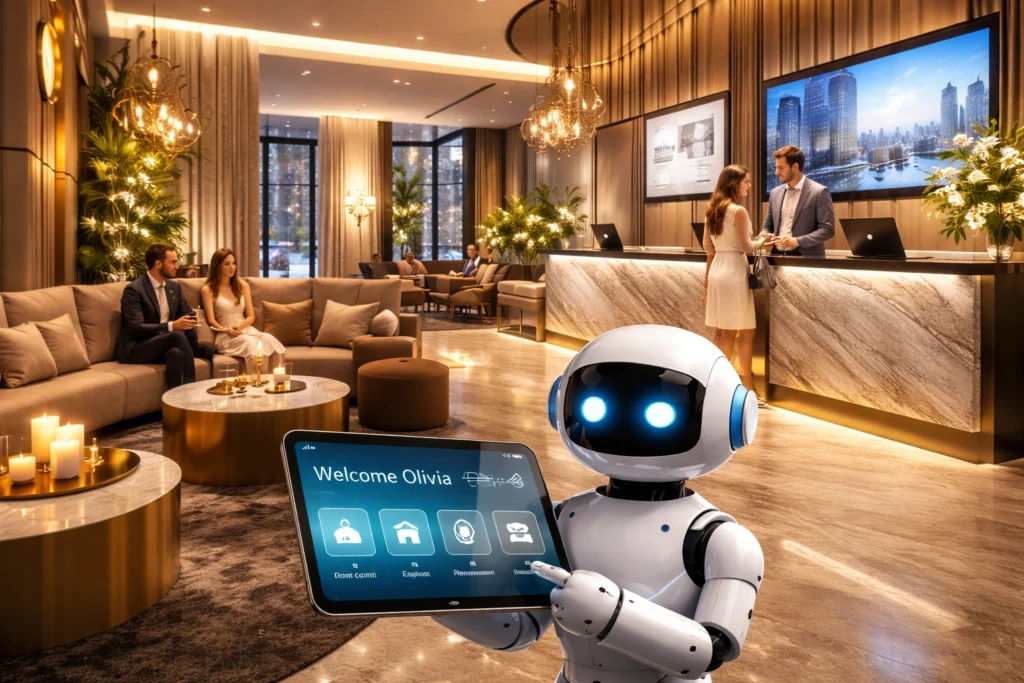
Traditional front desks are being reimagined as concierge hubs where personal service and digital efficiency work together. Staff can focus on meaningful interactions while automated systems handle repetitive processes.
That balance matters in premium hospitality.
Guests still value warmth, local insight, and thoughtful recommendations. Technology works best when it removes inconvenience rather than replacing hospitality itself.
If executed well, the hybrid model can improve both guest satisfaction and operational efficiency.
Expansion Focused on Germany and Austria
The launch aligns with PRIMESTAR’s broader development strategy across Europe, particularly in Germany and Austria.
These markets remain important urban tourism hubs supported by strong business travel, leisure demand, rail connectivity, and international arrivals. Cities across both countries continue to attract visitors for culture, events, commerce, and city breaks.
By targeting these destinations, PRIMESTAR is positioning June Lux in markets where premium urban accommodation can perform strongly year-round.
For tourism boards and local economies, new hotel investment often signals confidence in future visitor demand and destination competitiveness.
Part of a Wider Hospitality Ecosystem
June Lux is not designed as a standalone brand. It forms part of PRIMESTAR’s wider June ecosystem, which includes multiple hospitality formats such as lifestyle hotels, extended stays, and workspace solutions.
This integrated structure reflects changing travel behavior.
A guest may need a short city break this month, a work-focused stay next month, and a longer relocation stay later in the year. Flexible ecosystems can retain those travelers across different needs rather than serving only one trip type.
For frequent travelers, that creates continuity and convenience. For operators, it opens broader revenue opportunities across several segments.
Design Still Matters
While technology drives the concept, physical experience remains essential.
June Lux properties are expected to emphasize strong architecture, contemporary interiors, and spaces that feel both comfortable and visually distinctive. Modern travelers increasingly choose hotels that reflect local energy while also offering calm, functional environments.
Stylish public areas, smart room layouts, and design-led social spaces can strongly influence reviews, loyalty, and repeat bookings.
In many city markets, memorable design now plays a direct role in commercial success.
Why This Matters for Europe Tourism
Europe’s cities continue to attract millions of international visitors seeking culture, business opportunities, dining, shopping, and events.
As competition grows, destinations need accommodation products that match evolving traveler expectations. New concepts like June Lux can help cities remain relevant to next-generation visitors who prioritize digital ease and personalized stays.
For airlines, stronger hotel supply supports inbound demand. For restaurants and retailers, more visitors create spending opportunities. For neighborhoods, new hotel developments can add vitality and employment.
A Glimpse Into Hospitality’s Future
The launch of June Lux is more than a brand expansion. It highlights where premium hospitality is heading.
Luxury is becoming smarter, more flexible, and more connected to everyday traveler habits. Guests still want comfort and service, but they now expect those benefits delivered with speed and simplicity.
PRIMESTAR’s new concept aims to meet that moment.
If successful, June Lux could become an influential model for the next generation of urban hotels across Europe—where design, technology, and human service combine to redefine the luxury stay.
For more travel news like this, keep reading Global Travel Wire