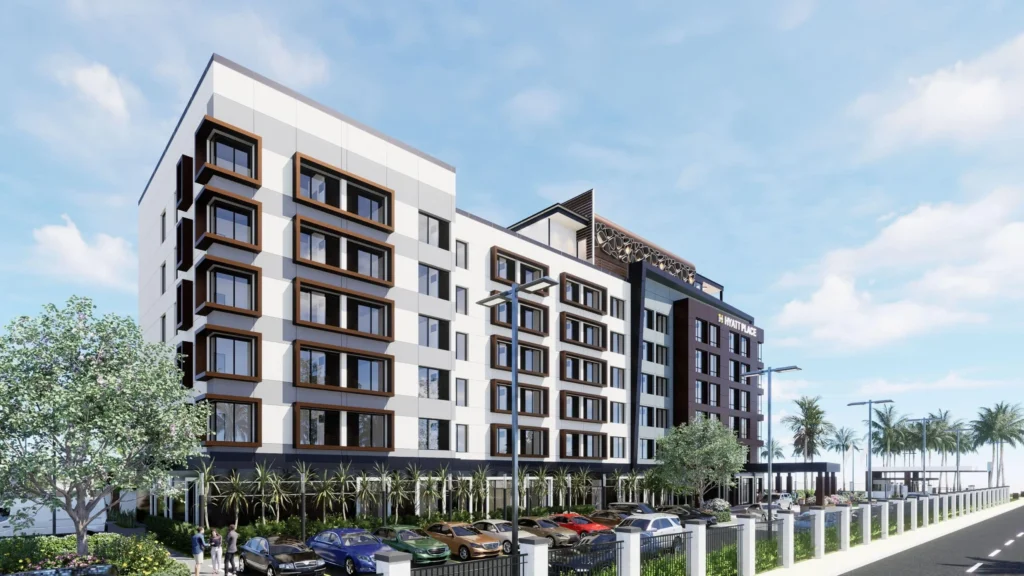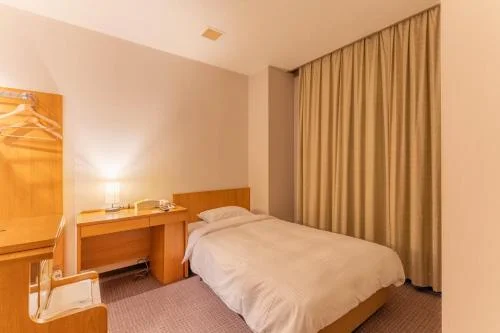
Deskless hotels offer European hospitality a way to combine digital efficiency with personal service. The concept replaces a fixed reception counter with hosts who welcome guests in lounges or other shared spaces.
For visitors exploring cities such as Madrid, Milan and Paris, the potential appeal is straightforward: less administration and more useful assistance. Technology handles routine processes while staff remain available to answer questions and explain local options.
However, the supplied account does not identify named hotels or documented adoption figures. It therefore describes an operating approach rather than establishing a coordinated transformation across European destinations.
A Different Arrival Experience
The deskless model changes where and how check-in happens. Instead of waiting at a counter, guests might complete arrival formalities with a host using a mobile device.
Comfortable seating and shared social areas can make that interaction feel less transactional. Nevertheless, removing a desk does not automatically reduce waiting times or improve service.
The result depends on staffing, reliable systems and clear arrival instructions. Travellers still need to know where to go and how to obtain assistance.
A welcoming lounge offers limited value if guests cannot find someone authorised to solve a booking problem. Human availability remains central to the concept.
Technology Works Behind the Scenes
Hotel systems can support reservations, room allocation, payment processing and communication between departments. Automating repetitive tasks could give employees more time for direct guest assistance.
That creates an opportunity for staff to explain transport options, discuss neighbourhood attractions or help with practical requests. However, technology needs to support those conversations without creating additional work for guests.
Mandatory applications, unreliable digital keys or repeated requests for information can complicate an otherwise simple stay. Hotels should provide understandable alternatives when a digital process fails.
Deskless service also requires coordination across shifts. A request made to one host needs to reach colleagues responsible for delivering it.
Personalisation Begins With Guest Choice
The proposed approach also favours asking travellers what they want rather than assuming preferences from unrelated digital activity.
Guests might voluntarily share dietary requirements, bedding preferences or a request for a quieter room. Relevant information can help staff prepare, subject to availability.
However, a preference request does not guarantee delivery. Hotels should explain which arrangements they can confirm and which depend on room inventory or other conditions.
They should also make clear how information will be used and retained. The supplied material provides no documented basis for claiming that particular data systems have increased repeat bookings across European cities.
Flexible Discovery Leaves Room for Choice
The same emphasis on choice can extend beyond the hotel. Instead of providing a tightly scheduled day, staff could suggest one attraction or neighbourhood as a starting point.
A visitor might build an afternoon around a market, gallery or walking route while leaving time for unexpected discoveries. This approach can suit travellers who prefer flexibility.
Others may need detailed plans because of accessibility requirements, limited time or advance reservations. Personal service means recognising those differences.
Digital suggestions can assist either approach, but opening hours, transport services and ticket availability still require checking. An appealing recommendation must also be practical.
Neighbourhood Businesses Could Gain Visibility
Hotel recommendations can introduce visitors to restaurants, independent shops and cultural venues beyond the best-known attractions. That could distribute spending more widely within a destination.
However, the supplied account does not substantiate claims that particular digital assistants have reduced congestion or increased neighbourhood revenue.
Those outcomes would require measured visitor activity and spending data. Recommending a quieter street alone does not demonstrate a lasting change in tourism patterns.
Hotels should also consider residents when promoting alternative areas. Suitable suggestions need to respect access restrictions, private spaces and the everyday use of neighbourhood facilities.
Transparent Prices Strengthen the Offer
Clear pricing is another practical part of the proposed model. Travellers benefit when they can compare room rates, included services and cancellation conditions before paying.
Any price-drop protection scheme requires specific terms. Guests need to understand eligible rates, comparison periods and whether compensation means a refund or hotel credit.
The supplied material does not establish widespread adoption of automatic price protection in London or Amsterdam. Such benefits should therefore be assessed property by property.
Direct booking also deserves comparison on its actual conditions, including flexibility and support.
Service Determines the Lasting Value
Deskless hotels present a useful possibility for hospitality businesses seeking more personal guest interactions. Their success depends on implementation rather than lobby design alone.
For travellers, the meaningful improvements are accessible staff, accurate information and straightforward booking conditions. When technology supports those basics, a less formal reception model could make European city stays easier and more welcoming.
For more travel news like this, keep reading Global Travel Wire