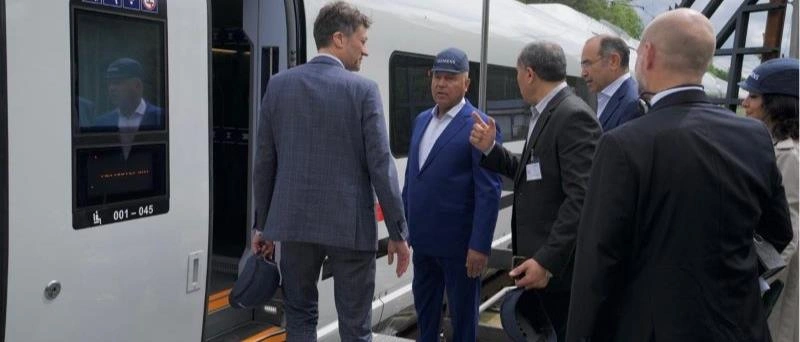
Egypt is accelerating one of the most ambitious transport transformations in its modern history with a high-speed rail network designed to connect major cities, reduce travel times and drive long-term economic growth. The project is expected to reshape domestic mobility, strengthen logistics corridors and open new opportunities for tourism and regional investment across North Africa and the Middle East.
The multi-line network represents a strategic shift in how people and goods move across the country. By introducing faster electric rail services and modern stations, Egypt aims to provide a more efficient and sustainable alternative to road transport while supporting national development goals.
A New Backbone for National Connectivity
The first phase of the network focuses on linking Greater Cairo with Ain Sokhna, Al Alamein and other strategically important cities. These routes are expected to connect urban centers, industrial zones, coastal destinations and logistics hubs through faster, more reliable travel.
For passengers, the benefits could be immediate. Journeys that currently require long road transfers may be completed far more quickly, improving convenience for commuters, business travelers and holidaymakers.
For businesses, stronger rail corridors can streamline supply chains by improving freight movement between ports, factories and inland markets.
Faster Travel, Smarter Mobility
The new trains are expected to operate at speeds of up to 230 km/h, offering a major upgrade over conventional transport options. Faster intercity links can change travel behavior by making same-day business trips more practical and weekend tourism more accessible.
Modern stations are also planned with upgraded passenger facilities, higher capacity and smoother operations. This can improve the overall travel experience and encourage more people to choose rail over private vehicles.
As cities grow and congestion increases, reliable rail alternatives become more important for both economic efficiency and quality of life.
Major Boost for Tourism
Tourism is one of the sectors expected to benefit most from the project. Easier rail access can strengthen visitor flows to iconic destinations such as Cairo, Luxor and Aswan while also supporting emerging coastal and cultural markets.
Travelers increasingly value seamless journeys between airports, cities and attractions. High-speed rail can help create multi-destination itineraries where visitors combine heritage sites, Red Sea resorts and urban experiences in one trip.
Hotels, tour operators, restaurants and local transport providers may all benefit as stronger connectivity expands the visitor economy.
Trade and Investment Opportunities
Beyond tourism, the rail network is positioned as a growth engine for trade and investment. Faster and more dependable transport can lower logistics costs, improve delivery times and increase the competitiveness of industrial zones connected to ports and urban markets.
Large infrastructure projects also tend to attract broader investment into surrounding areas, including real estate, manufacturing, warehousing and services. Improved accessibility can make regional cities more attractive locations for new business activity.
The scale of the project may therefore generate benefits well beyond the transport sector itself.
Jobs and Skills Development
Construction, operations and maintenance are expected to create thousands of jobs over the life of the project. Opportunities range from engineering and construction roles to long-term positions in station management, train operations and technical maintenance.
Large rail developments can also support workforce training and technology transfer, helping build local expertise in modern transport systems.
That matters not only for the current network but for future expansion plans across the country.
Sustainability at the Core
Electric high-speed rail is central to Egypt’s environmental strategy. By shifting some journeys from roads to rail, the project can help reduce emissions, lower fuel consumption and ease congestion in densely populated corridors.
Cleaner mass transport also supports healthier urban environments and aligns with broader global trends toward low-carbon mobility.
As sustainability becomes more important for investors and travelers alike, greener transport infrastructure can strengthen Egypt’s long-term competitiveness.
Regional Vision Beyond Borders
The long-term ambition extends beyond domestic routes. Future phases are expected to explore links with neighboring countries, potentially strengthening trade, tourism and cross-border mobility across Africa and the Middle East.
Cross-border rail links can create new economic corridors, support regional integration and deepen cultural exchange. For Egypt, this would reinforce its role as a strategic bridge between continents.
What Comes Next
The project is being delivered in phases, with early milestones expected in the coming years and wider expansion planned afterward. Supported by government funding, international financing and global industry partnerships, the rail program is set to remain one of the region’s most closely watched infrastructure stories.
If delivered as planned, Egypt’s high-speed rail network could become a defining example of how
For more travel news like this, keep reading Global Travel Wire