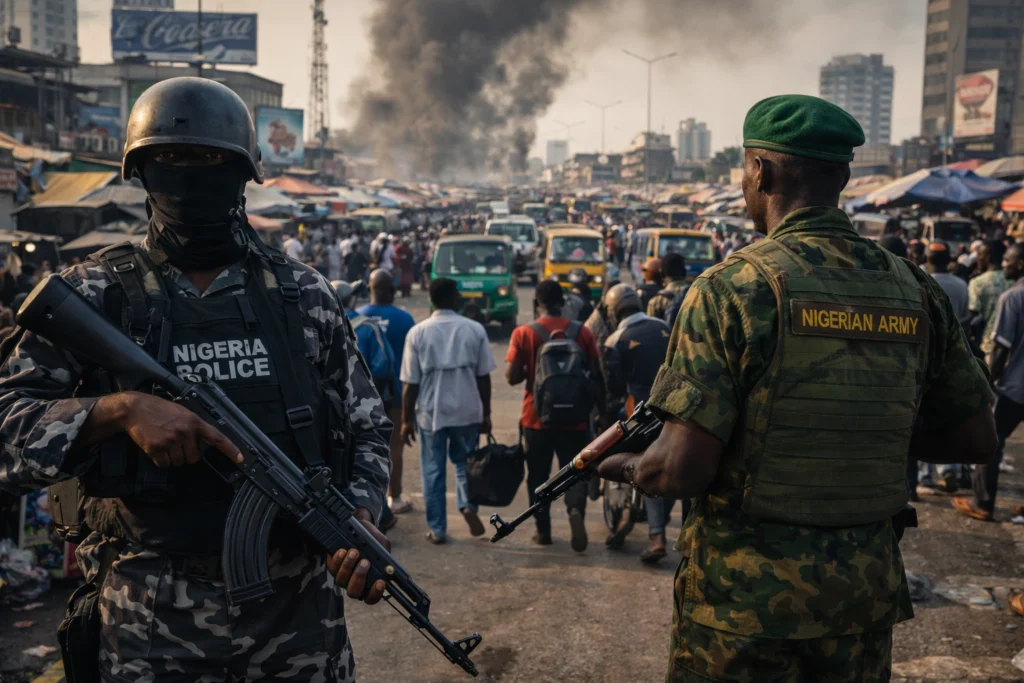
The United States has issued an updated travel warning for Nigeria, urging travelers to reconsider visits as security threats and public health risks intensify across Africa’s most populous nation. The advisory highlights concerns including violent crime, kidnappings, terrorism and a diphtheria outbreak, raising fresh questions for tourists, business travelers and diaspora visitors planning trips to the country.
Nigeria remains one of Africa’s most important economic and cultural destinations, with major cities, expanding aviation links and strong regional business influence. However, official warnings can significantly affect traveler confidence, airline demand and tourism activity, particularly when multiple risks are cited at the same time.
Why the Advisory Matters for Travelers
Travel advisories are closely watched by international visitors, travel insurers, tour operators and corporate travel managers. When a destination receives stronger caution language, many travelers reassess plans, delay bookings or seek alternative destinations.
For Nigeria, the latest warning may influence inbound leisure travel, conference attendance and short-term business trips. It can also affect visiting-friends-and-relatives travel, where families weigh the importance of travel against evolving security conditions.
Security Concerns Across Multiple Regions
The advisory points to ongoing risks such as armed robbery, assault, carjacking, kidnapping and terrorism. Some regions were identified as facing especially serious security concerns, while broader caution applies across the country.
Kidnapping remains one of the most significant concerns for foreign travelers because incidents can occur in both urban and rural areas. Unpredictable security operations, sudden restrictions and local disruptions can further complicate movement plans, especially for visitors unfamiliar with local conditions.
Impact on Tourism and Business Travel
Nigeria has long attracted travelers for business, culture, entertainment and family connections. Lagos is a major commercial hub, Abuja is the political capital, and the country’s creative industries and events scene draw international interest.
However, travel warnings can slow momentum in the visitor economy. Hotels, conference venues, airlines and local tourism operators may experience softer demand when travelers perceive higher risk. Companies may also tighten internal travel policies or require stronger security protocols for employee trips.
Health Risks Add Another Layer of Concern
Alongside security issues, health authorities flagged an ongoing diphtheria outbreak. The bacterial infection can spread through respiratory droplets and may become severe without prompt treatment. Crowded environments can increase exposure risk, making preparedness especially important for travelers.
Officials also emphasized the importance of keeping routine vaccinations current and considering malaria prevention where appropriate. Health guidance can influence travel decisions just as strongly as security concerns, particularly for families, older travelers and those with existing medical needs.
Healthcare Access and Preparedness
Travel planning now requires stronger health preparation. Visitors are being advised to carry essential medications and review insurance coverage before departure. In some areas, healthcare access may be more limited than in major international hubs, particularly outside large cities.
For business travelers on tight schedules, unexpected illness or medical disruption can create significant complications. For holidaymakers, preparation can reduce stress and improve resilience if plans change suddenly.
What Travelers Should Consider Now
Those still planning to visit Nigeria should conduct detailed pre-trip planning. That includes reviewing the latest official guidance, confirming documentation, arranging trusted transport, sharing itineraries with family or employers and avoiding unnecessary movement in higher-risk areas.
Travelers should also remain alert in busy public places, transport hubs, banks and areas frequented by foreigners. Flexible bookings and comprehensive travel insurance may provide valuable protection in a rapidly changing environment.
Nigeria’s Long-Term Tourism Potential Remains
Despite current concerns, Nigeria remains a country of enormous long-term tourism and investment potential. Its size, youthful population, cultural influence, wildlife assets and urban energy continue to make it significant on the global stage.
Yet tourism growth depends heavily on confidence, infrastructure and safety perception. Stronger security conditions and reliable public health systems will be central to unlocking broader visitor demand in the future.
Outlook
For now, the U.S. warning serves as a reminder that travel decisions increasingly depend on both safety and health readiness. Travelers considering Nigeria should weigh risks carefully, prepare thoroughly and rely on official updates before departure.
As conditions evolve, airlines, hotels and tourism stakeholders will be watching closely to see whether confidence returns to one of Africa’s most strategically important travel markets.
For more travel news like this, keep reading Global Travel Wire