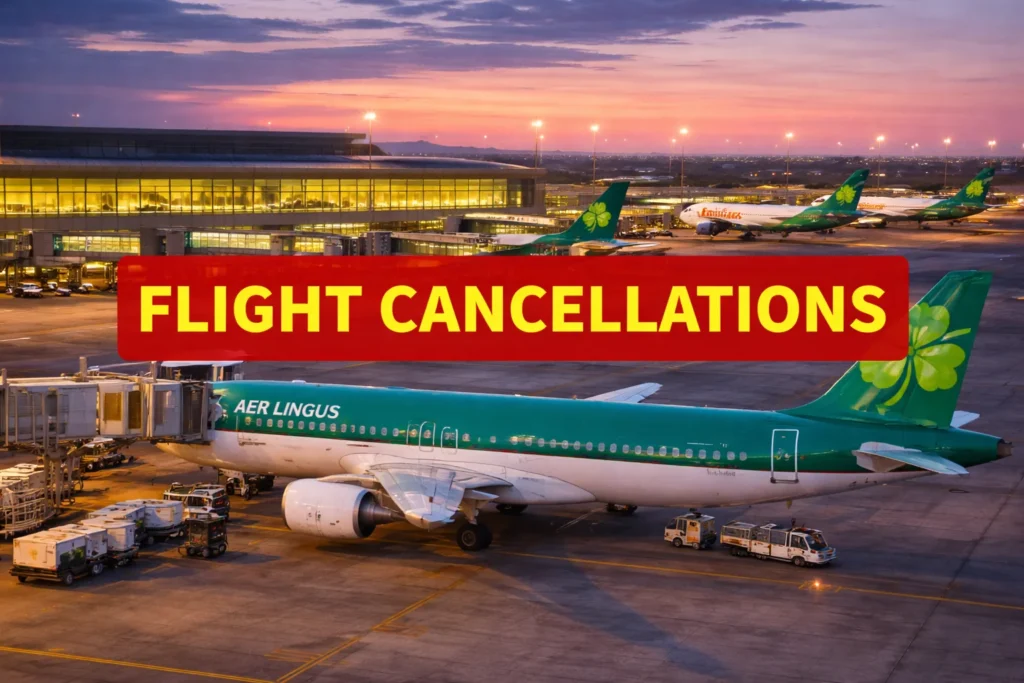
Aer Lingus has confirmed adjustments to a limited number of services in its summer 2026 schedule, citing mandatory aircraft maintenance. While the airline says the majority of passengers are being moved to same-day alternatives, the announcement has drawn strong attention from holidaymakers, business travelers, and tourism stakeholders ahead of one of the busiest travel seasons of the year.
Summer is a vital period for Ireland’s aviation sector, supporting inbound tourism, outbound holidays, family visits, festivals, conferences, and regional connectivity. Any schedule changes during this period are closely watched because air access plays a major role in visitor flows and tourism spending.
Although the airline has stated that the revisions affect only a small share of its total network, the development highlights how fleet maintenance, operational planning, and global cost pressures can shape travel choices even during peak demand.
Why Summer Air Connectivity Matters to Tourism
For island destinations such as Ireland, aviation is one of the most important gateways for tourism. International visitors depend heavily on air services to reach Dublin and regional airports, while residents rely on airlines for holidays, family travel, and business connections.
Strong summer schedules help support:
- City breaks and cultural tourism
- Coastal holidays and countryside escapes
- Sporting events and concerts
- Business meetings and conferences
- Visiting friends and relatives travel
- Regional tourism growth
When schedules change, travelers may need to adapt dates, airports, or departure times. Even small adjustments can influence hotel bookings, transport plans, and holiday budgets.
What Aer Lingus Has Announced
Aer Lingus says the latest schedule changes are linked to mandatory maintenance requirements on aircraft. Fleet maintenance is a normal and essential part of airline operations, ensuring aircraft safety, reliability, and regulatory compliance.
Airlines regularly rotate aircraft out of service for inspections, engineering checks, upgrades, and technical work. During busy seasons, balancing maintenance needs with high passenger demand becomes more complex.
According to the airline, most affected customers are being rebooked onto same-day flights, reducing disruption where possible.
That approach is important because travelers increasingly value certainty, convenience, and quick solutions when plans change.
Why Maintenance Can Affect Flight Networks
Modern airline scheduling is highly interconnected. One aircraft may operate several sectors in a single day across different cities. If one plane is unavailable, multiple services may need adjustment.
This can result in:
- Flight cancellations on selected dates
- Consolidated services
- Timetable changes
- Aircraft swaps
- Rebooking onto alternative departures
For travelers, the impact may range from minor schedule changes to the need for revised transfers or overnight stays.
For tourism businesses, it reinforces the need for flexible booking policies and responsive customer service.
Ireland Tourism Enters Peak Season
The timing of any summer airline adjustment matters because Ireland’s tourism season typically accelerates from late spring through early autumn.
Popular travel drivers include:
- School holidays
- Festival calendars
- Outdoor attractions
- Scenic road trips
- Heritage travel
- Cruise and city extension stays
Visitors arriving in Ireland often connect air travel with accommodation, attractions, rail journeys, car hire, and restaurant spending. Reliable flight schedules therefore support a wider tourism ecosystem beyond airports alone.
Advice for Travelers With Upcoming Trips
Passengers with summer bookings can reduce stress by staying proactive and checking travel details regularly.
Useful steps include:
- Monitor booking emails and app notifications
- Confirm flight times before departure
- Review baggage and check-in rules
- Keep transfer plans flexible
- Arrive early during peak season
- Consider travel insurance options
- Save alternative contact details
Travelers with onward rail, coach, ferry, or hotel bookings may also wish to review cancellation or amendment terms.
Preparation often makes schedule changes easier to manage.
Opportunity for Smart Tourism Planning
While schedule reductions may sound negative, they can also encourage smarter planning and more balanced travel demand.
Travelers may discover benefits by:
- Choosing midweek departures
- Flying at off-peak times
- Exploring secondary destinations
- Extending stays rather than taking short breaks
- Booking flexible packages
For Ireland, this can support tourism dispersion beyond traditional hotspots and help visitors explore more regions across the country.
Wider Industry Pressures Remain Important
Airlines globally continue to manage a range of challenges, including maintenance capacity, staffing, fleet availability, supply chains, airport congestion, and fluctuating operating costs.
Even when a specific schedule update is linked to maintenance, the broader aviation environment remains dynamic. Carriers must constantly adjust resources to protect reliability and customer confidence.
This is especially true in summer, when aircraft utilization is high and demand surges across Europe.
The result is a travel market where flexibility and resilience are increasingly valuable for both airlines and passengers.
Positive Outlook for Ireland Travel Demand
Despite the changes, demand for Ireland remains strong thanks to its global appeal as a destination known for culture, scenery, heritage, music, and hospitality.
Popular reasons people continue to visit include:
- Dublin city breaks
- Wild Atlantic Way road trips
- Ancient heritage sites
- Golf tourism
- Food and drink experiences
- Family roots and genealogy travel
As long as air access remains broad and travelers are supported with alternatives, tourism momentum can continue.
What This Means for Tourism Businesses
Hotels, tour operators, attractions, and local transport providers can respond positively by offering flexible communication and helpful support to affected guests.
Best practices include:
- Easy rebooking options
- Clear arrival instructions
- Late check-in flexibility
- Updated transport advice
- Responsive customer service
Tourism confidence grows when travelers feel supported, even if their itinerary changes.
Looking Ahead
Aer Lingus’ summer schedule adjustments are a reminder that aviation reliability depends on more than demand alone. Maintenance planning, fleet readiness, and operational resilience all play a role in keeping tourism moving.
For travelers, the message is to stay informed and flexible. For Ireland’s tourism sector, the focus remains on welcoming visitors and delivering memorable experiences throughout the busy summer season.
Although some schedules are changing, Ireland’s appeal as a leading European destination remains firmly on course for 2026.
For more travel news like this, keep reading Global Travel Wire