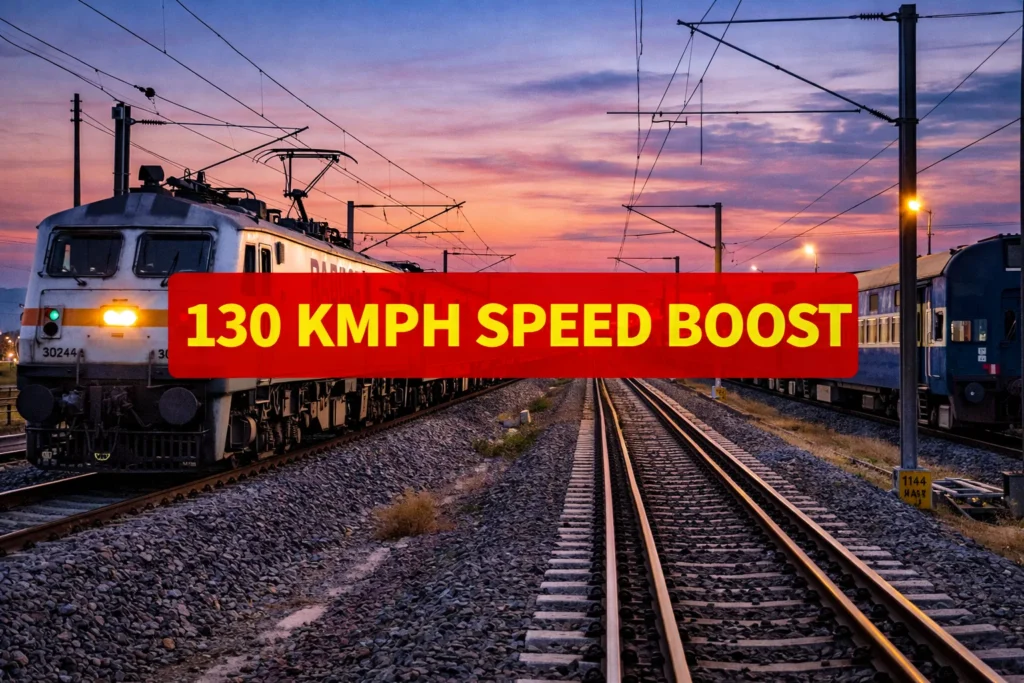
Rail travel in northern India has received a major boost as the Ghaziabad-Saharanpur route moves toward faster and more efficient operations with upgraded signalling infrastructure and a sectional speed increase to 130 kilometres per hour. The latest development is expected to improve journey times, passenger comfort, punctuality, and regional tourism connectivity across an important corridor linking Delhi-NCR with western Uttar Pradesh and beyond.
According to official information from the Ministry of Railways, Northern Railway has commissioned Double Distant Signals at key locations including Pabli Khas and Meerut Cantt. The upgraded systems mark an important milestone in modern rail operations and reflect the wider national push toward safer, smarter, and higher-capacity rail networks.
For tourism, faster train corridors often create immediate benefits by making weekend breaks, business travel, heritage visits, and regional exploration easier and more attractive.
Why This Route Matters for Tourism
The Ghaziabad-Saharanpur corridor connects major population centres, growing cities, educational hubs, industrial zones, and culturally significant destinations. It also serves as a gateway for passengers traveling onward toward Uttarakhand, Haryana, Punjab, and other parts of north India.
Improved rail performance on this line can support travel demand for:
- Spiritual tourism
- Heritage visits
- Family travel
- Weekend getaways
- Business trips
- Educational travel
- Regional leisure tourism
With rail remaining one of India’s most affordable and widely used transport modes, speed improvements can significantly influence traveler choices.
What Are Double Distant Signals?
Double Distant Signals are part of advanced railway signalling systems designed to improve train handling, especially on faster routes. They provide earlier visual indications to locomotive pilots, allowing smoother speed management and better operational control.
This can help reduce sudden braking, improve ride quality, and enhance safety margins.
For passengers, the technical change may be invisible, but the benefits are highly visible through:
- Faster average journeys
- Better punctuality
- Smoother train movement
- Improved reliability
- Reduced delays caused by traffic regulation
Modern signalling is one of the most important drivers of railway efficiency.
Faster Trains, Better Travel Experience
Increasing sectional speed to 130 kmph does not simply mean trains move faster for short stretches. It improves the overall operating potential of the corridor by reducing time losses and supporting better timetable planning.
For passengers traveling between Ghaziabad, Meerut, Muzaffarnagar, Saharanpur, and connecting regions, that can mean more convenient day trips and stronger confidence in rail travel.
Travelers increasingly value:
- Predictable arrival times
- Comfortable journeys
- Easy same-day returns
- Frequent connections
- Safe transport options
When railways deliver these features, tourism demand often grows naturally.
Meerut and Regional Tourism Opportunities
Meerut, one of the key cities on the route, is known for its historical importance, sports goods industry, educational institutions, and growing urban infrastructure. Better rail speeds can increase short-stay visits from Delhi-NCR and neighboring cities.
Nearby areas also benefit from improved accessibility to local attractions, food tourism, shopping districts, and family visits.
Tourism growth often starts with convenience. If travel becomes easier, more people choose to explore destinations they previously postponed.
Gateway to Uttarakhand and Hill Travel
The route’s importance extends beyond intermediate cities. Faster and more efficient movement toward Saharanpur strengthens onward access for travelers heading to Uttarakhand and the Himalayan gateway region.
This is especially valuable during peak travel periods for:
- Haridwar pilgrimages
- Rishikesh wellness travel
- Dehradun city breaks
- Hill station holidays
- Adventure tourism
- Yoga and retreat travel
Even modest improvements on feeder routes can enhance the full travel chain for long-distance passengers.
Benefits for Daily Commuters and Business Travelers
Tourism and everyday mobility often grow together. A stronger railway corridor supports not only leisure travelers but also students, professionals, traders, and daily commuters.
Benefits may include:
- More dependable schedules
- Better business connectivity
- Easier same-day meetings
- Improved workforce mobility
- Greater confidence in public transport
A route that serves regular commuters efficiently also becomes more attractive for visitors.
Railway Modernization in India
The Ghaziabad-Saharanpur upgrade reflects a larger transformation across Indian Railways, where infrastructure modernization is focusing on speed, safety, capacity, station redevelopment, and digital systems.
Across the country, travelers are increasingly seeing benefits from:
- Track improvements
- Signalling upgrades
- Electrification
- New trains
- Cleaner stations
- Passenger information systems
These changes support India’s ambition to make rail the backbone of sustainable mobility and domestic tourism growth.
Sustainable Tourism Advantage
Rail travel is widely considered one of the more sustainable forms of mass transport, especially on busy intercity corridors. Faster and more reliable trains can encourage passengers to choose rail over private road transport for many journeys.
This can help reduce:
- Highway congestion
- Fuel use
- Travel stress
- Road emissions on high-demand routes
As more travelers prioritize responsible choices, strong rail networks become even more important.
What Travelers Can Expect
Passengers using the route in coming months may notice benefits through shorter travel times, smoother journeys, and improved operational discipline. While actual time savings depend on train category, timetable, and stops, the infrastructure foundation is now stronger.
Travelers should continue checking official railway schedules for train-specific timings and updates.
For tourists planning trips across western Uttar Pradesh or onward journeys to the north, the route is becoming an even more attractive option.
Looking Ahead
The 130 kmph speed boost on the Ghaziabad-Saharanpur line is more than a technical railway milestone. It is a travel upgrade with real benefits for passengers, businesses, and regional tourism.
As India continues modernizing its rail network, faster corridors like this one will help connect cities, open new tourism opportunities, and make domestic travel more efficient for millions.
For travelers in north India, the journey ahead is getting quicker, smoother, and more connected than ever before.
For more travel news like this, keep reading Global Travel Wire