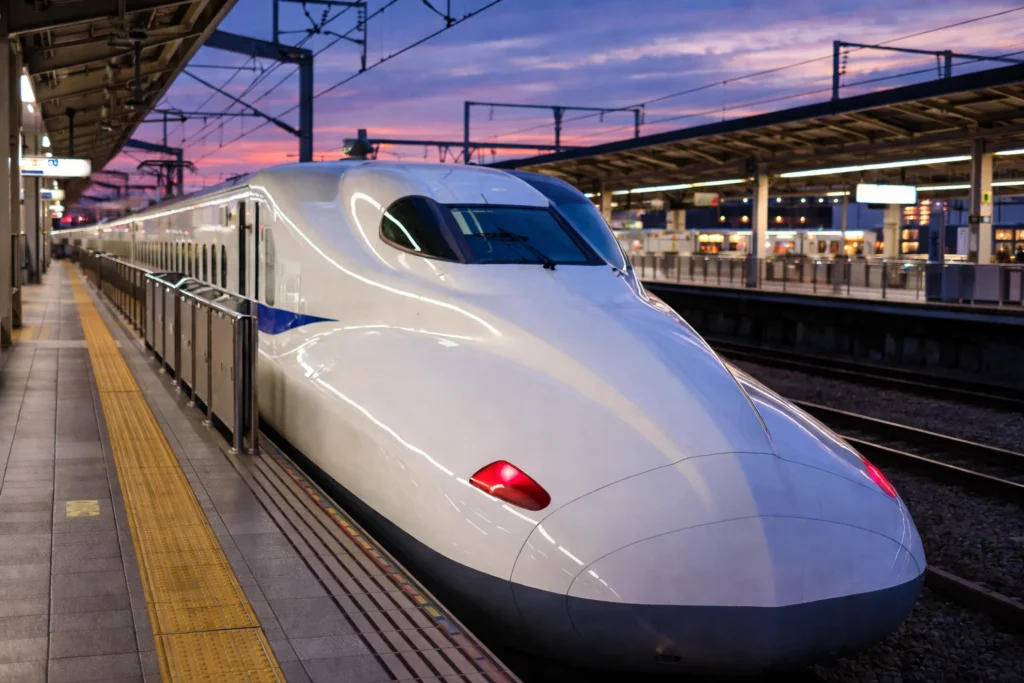
Central Japan Railway Co is drawing fresh attention in 2026 as Japan’s tourism recovery, rising domestic mobility, and future-focused rail investments strengthen the outlook for one of Asia’s most recognized transport operators. Best known for operating the world-famous Tokaido Shinkansen, the company remains a vital link between Tokyo, Nagoya, and Osaka, serving millions of passengers every year with speed, punctuality, and safety.
As global travelers return to Japan in higher numbers and sustainable transport becomes a priority, Central Japan Railway is increasingly seen as a key beneficiary of the new travel era. Its combination of dependable passenger demand, premium rail infrastructure, and long-term innovation projects places the company in a strong position within both the transport and tourism sectors.
The backbone of the company’s business is the Tokaido Shinkansen, one of the busiest high-speed rail routes in the world. This corridor connects Japan’s major economic centers and supports business travelers, commuters, and leisure visitors alike. For tourists arriving in Japan, the line offers fast access to iconic destinations such as Kyoto, Osaka, and Mount Fuji regions, making it an essential part of the national visitor economy.
Japan’s official tourism strategy continues to prioritize inbound travel growth, regional tourism dispersal, and seamless transport connections. High-speed rail plays a central role in that strategy because it reduces congestion, supports low-emission travel, and encourages multi-city itineraries. As a result, Central Japan Railway benefits not only from ticket sales but also from its strategic role in Japan’s broader tourism development plans.
The company’s appeal extends beyond train operations. Around major stations, it has built a diversified ecosystem of retail centers, hotels, commercial properties, and passenger services. These station-area businesses create additional revenue streams while enhancing the traveler experience. Visitors often spend time shopping, dining, or staying overnight in areas connected to rail hubs, making each station more than just a transport point.
This integrated model has become especially valuable in the post-pandemic travel environment, where convenience and time efficiency strongly influence traveler choices. High-speed rail allows passengers to move between destinations without long airport procedures, making it highly attractive for short and medium-distance journeys.
Another major factor supporting interest in the company is the long-term Chuo Shinkansen maglev project. This next-generation line is expected to transform travel times between Tokyo and Nagoya, eventually extending to Osaka. Using superconducting magnetic levitation technology, the route is designed to deliver dramatically faster journeys than conventional rail.
The maglev project represents more than infrastructure expansion. It symbolizes Japan’s commitment to innovation and future mobility. Once operational, it could strengthen domestic tourism by making weekend travel easier, improve business connectivity, and reinforce Japan’s image as a global leader in transport technology.
For international travelers, faster rail links can unlock new itinerary patterns. Visitors may choose to stay in one city while taking day trips to another, or combine multiple regions in a single journey. This flexibility supports longer stays and higher tourism spending across the country.
Sustainability trends are also working in Central Japan Railway’s favor. Governments and travelers worldwide are placing greater emphasis on lower-carbon transport options. Rail travel typically produces fewer emissions than short-haul flights, making it increasingly attractive for environmentally conscious passengers. Japan’s efficient electric rail network is therefore well aligned with changing consumer expectations.
The company also benefits from Japan’s reputation for service excellence. The Shinkansen is globally known for punctual departures, clean cabins, quiet comfort, and operational precision. For many international visitors, riding the bullet train is itself a travel highlight rather than simply a means of transportation. That emotional value adds to the brand strength of Central Japan Railway.
Despite these positives, investors and market observers are watching several challenges. Large infrastructure projects require substantial capital, and timelines can shift due to engineering, environmental, or regulatory factors. Demographic changes in Japan, including an aging population, may also influence long-term domestic travel demand.
However, inbound tourism growth may help balance these pressures. Japan continues to attract travelers seeking culture, cuisine, wellness experiences, seasonal festivals, and natural landscapes. High-speed rail is often the preferred way to access these experiences, particularly for visitors exploring multiple destinations.
Digital transformation is another area of opportunity. Smart ticketing, multilingual passenger support, real-time travel information, and integrated tourism packages can further improve the customer journey. As rail operators worldwide modernize, Central Japan Railway’s technology leadership and service standards may become even more valuable.
Looking ahead, several indicators will shape the company’s momentum in 2026 and beyond. Strong passenger volumes on the Tokaido Shinkansen, continued inbound tourism growth, progress on the maglev project, and resilient non-fare revenue from retail and real estate will all be closely followed.
For travelers, the company remains one of the most important gateways to discovering Japan efficiently and comfortably. For the tourism sector, it is a cornerstone of national connectivity. And for those tracking transport infrastructure trends, Central Japan Railway stands at the intersection of mobility, sustainability, and destination growth.
As global travel demand evolves, high-speed rail is becoming more relevant than ever. Central Japan Railway’s established strengths and future ambitions suggest that its story is no longer only about trains—it is about shaping how people experience Japan in the decades ahead.