Japan is entering a new tourism era as rising transport prices and expanded visitor charges increase the cost of exploring one of the world’s most popular destinations. From October, the widely used Japan Rail Pass will become more expensive, while higher departure taxes and growing accommodation fees are also set to reshape how international travelers budget for trips across the country.
The changes come at a time of strong inbound demand, with visitor numbers putting increasing pressure on transport systems, city infrastructure and popular attractions. For travelers, Japan remains highly desirable—but smarter planning is becoming essential.
Japan Rail Pass Becomes More Expensive
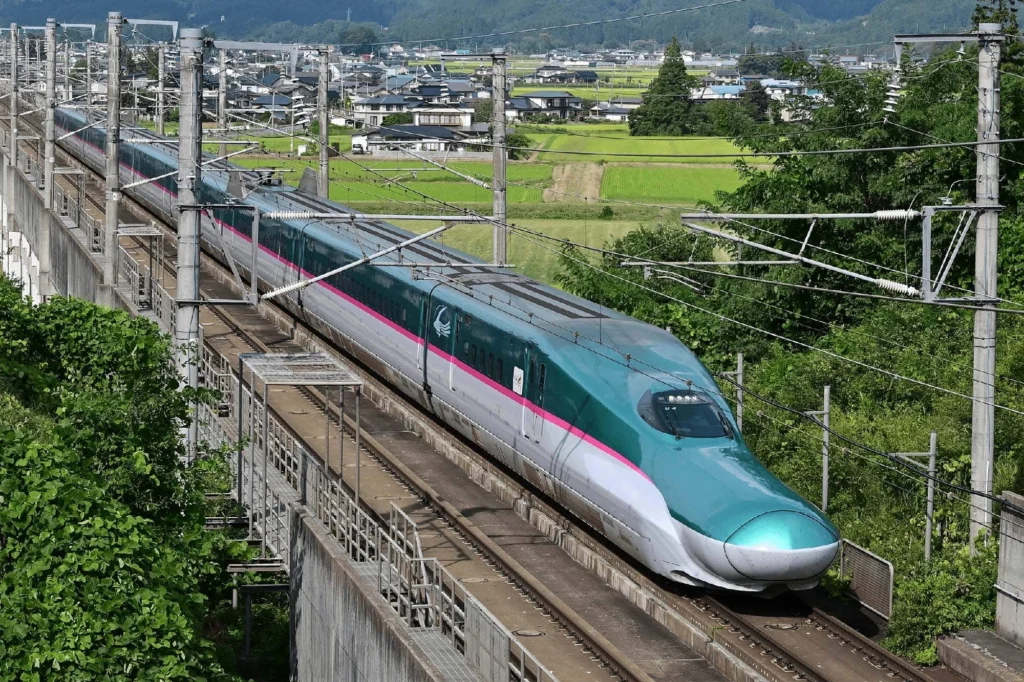
The Japan Rail Pass has long been one of the most valuable tools for overseas visitors, offering broad access to the country’s famous rail network, including many long-distance routes and high-speed services. However, the latest price rise marks another major shift in its affordability.
A standard seven-day pass is set to rise to 53,000 yen, while premium Green Car options will also become significantly more expensive.
For many travelers, the pass once guaranteed savings. Now, that value depends far more on the itinerary. Visitors planning only a few city transfers may find point-to-point tickets or regional passes more cost-effective than a nationwide pass.
Why the Rail Pass Still Matters
Despite the higher cost, the pass still offers convenience that many travelers value. Unlimited travel, simplified booking and access to a vast network can reduce stress, especially for first-time visitors or those planning fast-paced multi-city journeys.
For example, travelers combining Tokyo, Kyoto, Osaka and regional destinations in a short period may still see strong practical value from the pass, even if the savings margin narrows.
The real shift is not that the pass has lost relevance—but that it now requires more careful calculation.
New Tourist Taxes Increase Overall Costs
Transport is not the only area changing. Japan is also raising its international departure tax, a fee included in airline tickets. In addition, more destinations are adopting or expanding accommodation taxes, adding nightly charges depending on where visitors stay.
Popular tourism centers are leading this trend as local authorities seek funding for infrastructure, crowd management and destination upkeep.
For travelers, these fees may seem small individually, but combined with higher transport and hotel prices, they can noticeably increase total trip costs.
Why Japan Is Raising Costs Now
The timing reflects Japan’s tourism success. Strong demand has boosted visitor numbers in cities such as Tokyo, Kyoto and Osaka, while iconic cultural and natural sites have seen heavier footfall. That growth brings benefits—but also congestion, environmental strain and pressure on local communities.
Authorities are increasingly focused on shifting from volume-driven tourism to value-driven tourism, where spending supports sustainability, infrastructure and better visitor experiences.
This approach mirrors a wider global trend as destinations seek balance between popularity and livability.
Sustainability and Responsible Tourism
Japan’s new cost structure is also linked to environmental protection and cultural preservation. Some heavily visited areas have raised concerns about overcrowding, waste and visitor behavior around sensitive heritage and natural sites.
Additional tourism revenue can help fund maintenance, conservation and visitor management systems. At the same time, awareness campaigns and local regulations are encouraging more respectful travel practices.
For visitors, the message is increasingly clear: great travel experiences also carry shared responsibility.
How Travelers Can Save Money
Although prices are rising, Japan can still be enjoyed on a manageable budget with strategic planning. Travelers who adapt early can continue to find excellent value.
Smart approaches include:
- Compare rail pass costs with individual tickets
- Consider regional passes for shorter trips
- Stay outside major tourist cores
- Book flights and hotels early
- Travel during off-peak seasons
- Use convenience stores and local eateries for meals
Japan remains one of the easiest countries to navigate independently, which can also help reduce travel costs.
Tourism Industry Impact
Higher visitor spending may support hotels, transport operators, local governments and attraction management. Better-funded infrastructure can improve station facilities, crowd control and visitor services in the long term.
However, price sensitivity may also shift travel behavior. Some visitors may shorten trips, choose fewer destinations or prioritize regional travel over nationwide itineraries.
That means tourism businesses will need to continue offering strong value as competition for global travelers remains intense.
Outlook for Global Visitors
Japan’s appeal remains powerful: world-class cities, ancient temples, seasonal landscapes, renowned food culture and unmatched transport efficiency continue to attract travelers worldwide. Rising costs are unlikely to erase that demand, but they will change how trips are planned.
For future visitors, the opportunity remains extraordinary—but success will depend more than ever on budgeting wisely, booking strategically and traveling responsibly.
For more travel news like this, keep reading Global Travel Wire