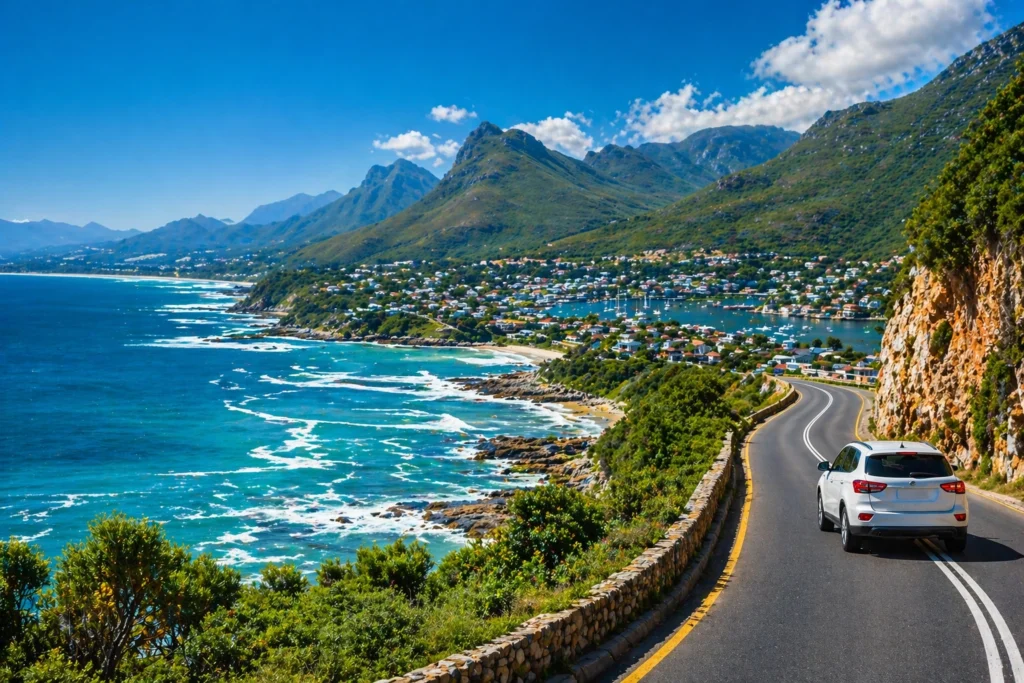
South Africa’s iconic Garden Route is entering a new tourism era as artificial intelligence, social media influence and strong visitor growth reshape how travelers discover and experience one of the country’s most celebrated coastal regions. From George and Knysna to Plettenberg Bay, digital tools are increasingly guiding trip planning, route discovery and destination choices, signaling a major shift in the 2026 travel landscape.
The transformation reflects a wider global trend in which travelers rely on mobile technology, AI recommendations and visual storytelling long before they arrive. For the Garden Route, that shift is creating new opportunities for tourism businesses while raising important questions about digital inclusion and regional competitiveness.
AI and Social Media Become the New Travel Guide
For many visitors, the Garden Route journey now begins online. Scenic drives, coastal lookouts, wildlife encounters and boutique stays are being discovered through short-form videos, travel reels and AI-generated recommendations rather than printed brochures or physical maps.
Platforms such as Instagram, YouTube and mobile planning tools are helping shape perceptions of the region before departure. Travelers are arriving with saved itineraries, pre-selected stops and detailed route plans already stored on their smartphones.
That behavior is changing the tourism experience. Instead of relying solely on visitor centers or spontaneous decisions, more travelers are pursuing self-guided journeys tailored to their personal interests, budgets and schedules.
For a region long known as one of South Africa’s premier self-drive destinations, the shift toward digital independence is a natural fit.
Strong Visitor Growth Signals Market Momentum
The rise in digital engagement is being matched by strong tourism performance on the ground. Official figures cited in the regional update show that George Airport recorded 434,278 two-way passengers between January and June 2025, representing year-on-year growth of 10.61%.
Those numbers highlight the Garden Route’s growing appeal and improving accessibility for domestic and international travelers alike.
The market remains well balanced, with domestic travelers accounting for roughly 55% of total visitors. Overnight stays also remain strong, indicating that the region continues to attract travelers seeking longer, experience-rich holidays rather than short stopovers.
For hotels, guesthouses, tour operators and attractions, longer stays typically translate into higher visitor spending and broader economic benefits across local communities.
George, Knysna and Plettenberg Bay Lead Demand
Several destinations along the route are emerging as standout performers. George continues to serve as a major gateway and tourism anchor, while Knysna and Plettenberg Bay remain among the region’s most recognized leisure hubs.
Knysna, in particular, has seen a successful peak season, with visitor levels during December and January reportedly returning to pre-pandemic highs. That rebound is significant for restaurants, waterfront businesses, accommodation providers and local activity operators.
The region’s enduring strengths remain unchanged: dramatic coastlines, forests, beaches, marine life and easy road-trip access. What has changed is how visitors choose where to stop, stay and spend.
Why Digital Presence Now Matters More Than Ever
As AI and search tools become central to travel planning, businesses with strong online visibility are gaining an advantage. Accurate listings, quality imagery, positive reviews and active social media channels can increase the chances of being recommended in digital itineraries or featured in travel content.
That means online reputation is now directly linked to tourism performance.
Properties and operators that invest in digital engagement may benefit from higher booking intent, stronger traveler trust and increased conversion from inspiration to reservation.
For visitors, stronger digital information can also improve trip quality by reducing uncertainty and making it easier to compare options.
The Challenge of the Digital Divide
While the digital boom creates opportunity, it may also widen gaps between businesses. Smaller operators and community-based tourism providers in rural areas can face greater difficulty accessing professional marketing tools, reliable connectivity or AI-ready content strategies.
As a result, well-promoted destinations may capture disproportionate attention while lesser-known experiences remain under the radar.
This issue matters because the Garden Route’s diversity is one of its greatest assets. Hidden beaches, artisan food stops, cultural encounters and eco-tourism ventures all contribute to the richness of the visitor experience.
Ensuring that more businesses can participate in the digital tourism economy will be important for inclusive growth.
Aligned With South Africa’s Tourism Vision
The region’s transformation also aligns with South Africa’s broader tourism goals. National policy has identified digital modernization as a key pillar for improving services, strengthening competitiveness and promoting the country to global audiences.
The Garden Route offers a strong example of how those ambitions can play out locally—where infrastructure, storytelling and traveler behavior intersect in real time.
What Travelers Can Expect in 2026
For travelers planning a Garden Route journey in 2026, expect a smarter, more personalized experience. AI tools can help build scenic road-trip routes, identify hidden viewpoints and match accommodations to travel style. Social media can inspire new stops and experiences beyond the traditional highlights.
Yet the core appeal remains timeless: ocean drives, ancient forests, wildlife, beaches and small-town charm.
The difference now is that the world’s most powerful guidebook may already be in every traveler’s pocket.
For more travel news like this, keep reading Global Travel Wire