Rail travel is gaining new global momentum, and the expansion of Railway Gazette International reflects the growing importance of rail tourism, sustainable mobility, and modern transport innovation. With a strengthened editorial structure and wider international reach, the publication’s renewed direction comes at a time when trains are playing a bigger role in shaping tourism and regional connectivity worldwide.
The long-established rail industry title, founded in the nineteenth century, is now entering a new phase after joining a broader transport media portfolio. By combining editorial expertise and international reporting resources, the expanded platform aims to deliver deeper insight into rail developments across Europe, Asia, the Middle East, Africa, and the Americas.
For tourism stakeholders, this matters because railways are no longer seen only as transport systems. They are increasingly central to destination access, low-carbon travel, scenic tourism, city connectivity, and future visitor growth.
Why Rail Travel Is Rising Again
Around the world, governments and tourism authorities are investing heavily in rail infrastructure as part of long-term economic and sustainability strategies. High-speed rail, metro systems, sleeper trains, airport links, and cross-border routes are helping travelers move more efficiently while reducing dependence on short-haul flights and private vehicles.
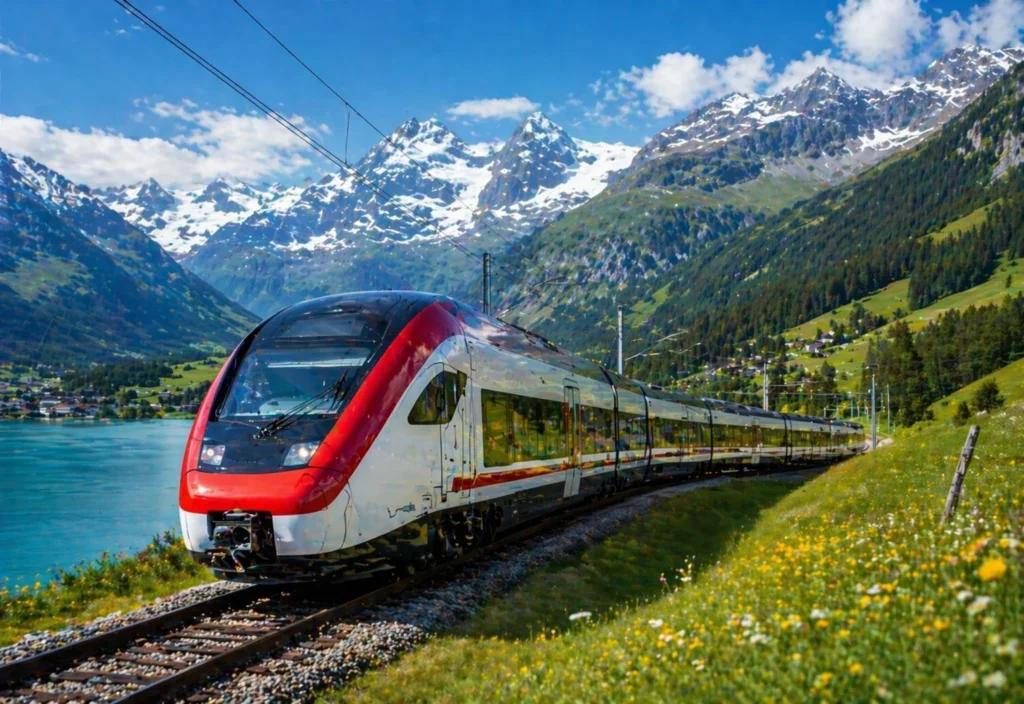
Rail travel has become especially attractive for tourists seeking comfort, convenience, and scenic journeys. Modern trains offer city-center access, less airport stress, and easier regional exploration.
This shift has created stronger interest in rail news, innovation, and market intelligence, making the expansion of specialist rail coverage highly relevant to the tourism sector.
Rail Tourism Becomes a Global Travel Trend
Rail tourism has evolved into one of the fastest-growing segments of modern travel. Many travelers now choose train journeys not only for transport, but for the experience itself.
Popular rail tourism experiences include:
- Scenic mountain routes
- Coastal train journeys
- Luxury sleeper services
- High-speed city breaks
- Heritage rail excursions
- Cross-border European itineraries
- Airport express connections
- Eco-friendly domestic holidays
As more destinations promote low-impact travel, rail is becoming a key part of tourism marketing strategies.
The expanded Railway Gazette International arrives at a time when demand for reliable rail insights is increasing among tourism planners, operators, and investors.
Stronger Coverage for a Changing Travel Market
The enlarged editorial team and global contributor network will help deliver broader reporting on rail policy, technology, infrastructure, and operations. This is important because rail developments often have direct consequences for tourism flows.
When a new station opens, a high-speed line launches, or a metro network expands, visitor access can improve immediately. Destinations once considered difficult to reach can become weekend getaway hotspots or conference destinations.
For tourism businesses, understanding rail developments helps identify new opportunities before markets fully mature.
Hotels, tour operators, attractions, and city tourism boards increasingly track transport upgrades as part of growth planning.
Britain’s Rail Reform and Tourism Opportunities
The renewed focus on the UK rail sector comes as Britain continues reform plans linked to Great British Railways. Structural changes in one of the world’s most historic rail markets are significant for both domestic and inbound tourism.
The United Kingdom remains a major destination for international visitors exploring cities, countryside regions, and heritage attractions. Rail is essential for connecting London with destinations such as Edinburgh, Manchester, Bath, York, Liverpool, and coastal resort areas.
More efficient rail systems can improve visitor movement, encourage multi-city itineraries, and reduce congestion on roads and airports.
For travelers, better rail integration often means simpler ticketing, improved reliability, and more convenient journeys.
Sustainability Drives the Future of Tourism
One of the biggest reasons rail is gaining attention is sustainability. Many tourism strategies now prioritize lower-emission travel choices, and rail is widely seen as one of the most efficient options for medium-distance journeys.
Tourism boards across Europe and beyond are promoting train-based holidays, car-free city breaks, and slow travel experiences that encourage longer stays and deeper exploration.
This aligns with changing traveler preferences, especially among younger visitors and environmentally conscious consumers.
As sustainability becomes more central to tourism policy, rail journalism and market reporting will become even more valuable.
Technology Is Transforming the Passenger Experience
Modern rail systems are being reshaped by digital innovation. Smart ticketing, mobile journey planning, predictive maintenance, real-time passenger information, and upgraded onboard services are improving how people travel.
For tourists, technology can make unfamiliar destinations easier to navigate. Seamless rail journeys often increase confidence among international visitors who may not wish to rent cars or manage complex transport systems.
Rail industry reporting that tracks these innovations helps tourism professionals understand what travelers will expect in the future.
Global Regions to Watch in Rail Tourism
The next decade is expected to bring major rail tourism opportunities across multiple regions:
Europe
High-speed cross-border networks and night train growth continue to expand travel choices.
Middle East
New metro systems, intercity projects, and airport rail links are enhancing destination access.
Asia
Large-scale rail investment supports domestic tourism and international connectivity.
North America
Growing interest in passenger rail and urban transit may reshape leisure travel patterns.
Africa
Rail upgrades can improve regional access and unlock new tourism corridors.
Each of these markets offers fresh opportunities for destinations linked to better rail mobility.
Why Tourism Businesses Should Pay Attention
Rail developments influence where tourists go, how long they stay, and how much they spend. Better connectivity can transform secondary cities into high-demand destinations and spread tourism benefits beyond traditional hotspots.
Travel companies that monitor rail trends can adapt faster by creating:
- Rail-inclusive holiday packages
- Multi-city itineraries
- Sustainable travel products
- Airport-to-city transfer services
- Luxury train experiences
- Domestic weekend promotions
The expansion of dedicated rail industry coverage supports smarter planning across the tourism economy.
A New Era for Global Travel Intelligence
The evolution of Railway Gazette International represents more than a media story. It reflects the growing importance of rail in shaping how the world travels.
As trains become central to sustainable tourism, destination growth, and modern mobility, demand for trusted rail information will continue to rise. Better coverage of rail markets means better visibility into the future of tourism itself.
For travelers, the result could be more connected destinations and richer journey options. For the tourism industry, it is another sign that rail tourism is moving from niche trend to mainstream opportunity.
In a travel era focused on efficiency, sustainability, and experience, rail is firmly back on track.