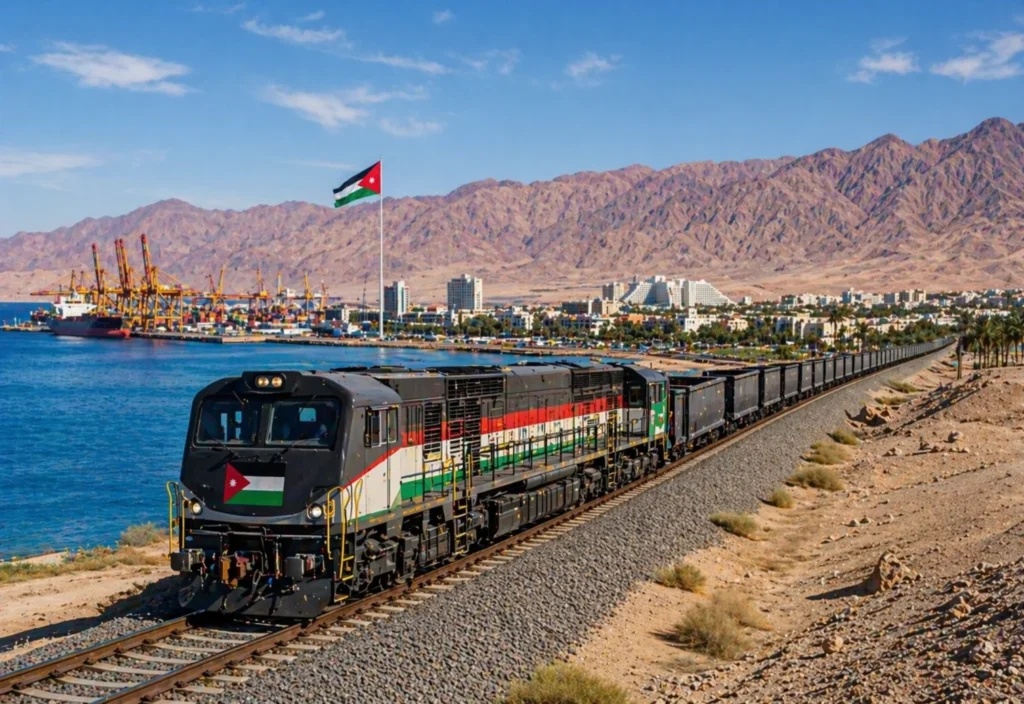
Jordan and the United Arab Emirates have signed a landmark $2.3 billion agreement to develop the Aqaba Railway, a major infrastructure project expected to transform logistics, strengthen regional trade, and create long-term tourism opportunities across Jordan. The new rail corridor will connect key industrial zones with the Port of Aqaba while laying the foundation for a wider national railway network that could eventually link Jordan to neighboring markets.
For the tourism sector, the significance goes beyond freight transport. Major rail investments often unlock better connectivity, support destination growth, and encourage new visitor flows by improving how people and goods move across a country.
As Jordan continues to grow its profile as a leading Middle East travel destination, the Aqaba Railway project could become a key driver of future economic and tourism expansion.
Aqaba’s Strategic Importance for Tourism
Aqaba is Jordan’s only coastal city and one of its most valuable tourism gateways. Located on the Red Sea, it is known for beach resorts, diving experiences, marine tourism, cruise potential, and access to iconic destinations such as Petra and Wadi Rum.
The city already plays a major role in Jordan’s visitor economy, attracting domestic and international travelers seeking sun, sea, and adventure experiences.
Improved transport infrastructure around Aqaba can strengthen its position further by making the region more efficient, more connected, and more attractive for investors and tourism operators.
Large-scale projects in gateway cities often create momentum far beyond their original purpose.
New Railway to Strengthen National Connectivity
The project includes a 360-kilometre railway connecting phosphate mines in Shidiya and potash production sites in Ghor Al Safi to the Port of Aqaba. While designed primarily for freight, the corridor forms the first stage of Jordan’s broader National Railway Network.
This wider vision is highly relevant for tourism. Once railway systems expand beyond industrial operations, they can support passenger travel, domestic tourism, and regional movement.
Future rail growth could improve access between Aqaba, Amman, and other destinations, giving travelers more options beyond road transport.
Railways often begin with freight efficiency but later become catalysts for broader mobility and visitor access.
Why Tourism Benefits from Freight Infrastructure
Even when projects are built for cargo, tourism often gains indirectly. Efficient logistics reduce transport costs, support construction, improve supply chains, and strengthen destination services.
Hotels, restaurants, resorts, and attractions all rely on dependable movement of goods and materials. Better freight systems can help destinations grow faster and operate more smoothly.
For Aqaba, stronger port and rail integration may support:
- Hotel and resort development
- Cruise tourism readiness
- Better retail supply chains
- Faster construction of tourism projects
- Stronger investor confidence
- Improved regional business travel
Infrastructure growth creates the conditions tourism needs to thrive.
Aqaba Could Emerge as a Regional Hub
Officials have described the project as a key step in positioning Jordan as a regional logistics hub connecting the Levant with Gulf markets. That ambition also carries tourism potential.
Cities that become trade and transport hubs often see rising demand for:
- Business travel
- Conferences and exhibitions
- Transit tourism
- Hotel investment
- International air connectivity
- Urban leisure experiences
Aqaba already combines tourism appeal with strategic geography. Enhanced rail infrastructure can help the city expand both roles simultaneously.
For visitors, that can mean better services, stronger amenities, and a more dynamic destination environment.
Future Links to Amman and Beyond
One of the most exciting long-term elements of the announcement is the planned extension of Jordan’s wider railway network north toward Amman and potentially onward to regional markets including Syria, Türkiye, and Gulf Cooperation Council countries.
If realized over time, these links could transform regional travel patterns.
Potential tourism opportunities include:
- Aqaba to Amman rail journeys
- Multi-city Jordan itineraries
- Cross-border cultural tourism
- Regional pilgrimage routes
- Sustainable overland travel packages
- Business travel corridors
Better regional connectivity can increase visitor stays and encourage travelers to explore more than one destination on a single trip.
Sustainable Travel Opportunities Grow
Rail transport is increasingly seen as a smarter and more sustainable solution for future mobility. Many tourism strategies now prioritize lower-emission travel options, especially for medium-distance journeys.
As destinations seek greener growth models, rail can help reduce road congestion, lower emissions, and create more efficient transport systems.
Jordan has already built a strong reputation for nature tourism, desert experiences, and heritage travel. Future rail expansion could complement that image by adding sustainable transport choices for residents and visitors.
This can be especially appealing to environmentally conscious travelers.
Economic Growth Supports Tourism Investment
The Aqaba Railway project is also expected to create jobs, stimulate supply chains, and attract further investment. Economic growth and tourism development often move together, especially when supported by visible infrastructure progress.
New transport corridors can encourage private sector confidence in sectors such as:
- Hospitality
- Real estate
- Leisure attractions
- Tour operations
- Logistics services
- Event hosting
When investors see long-term commitment to connectivity, they are more likely to back tourism-related projects.
For Jordan, this can strengthen national competitiveness in the regional travel market.
Strong Jordan-UAE Partnership Adds Confidence
The agreement also reflects deepening economic cooperation between Jordan and the UAE. Strong bilateral partnerships can bring financing strength, technical expertise, and international confidence to major development projects.
For tourism, this matters because successful delivery of flagship infrastructure often shapes destination reputation. It signals ambition, stability, and readiness for future growth.
Regional partnerships are becoming increasingly important in delivering transport systems that support both commerce and visitor mobility.
What Travelers and Tourism Businesses Should Watch
As the project moves toward financial close and construction, tourism stakeholders will likely monitor:
- Aqaba urban development plans
- New hotel and resort announcements
- Future passenger rail possibilities
- Port tourism upgrades
- Business event growth
- Regional transport expansion
Each step can influence Jordan’s tourism outlook over the next decade.
A Transformational Moment for Jordan Tourism
The Aqaba Railway agreement is more than a freight project. It is a strategic investment in connectivity, competitiveness, and future growth.
For travelers, it points to a more connected Jordan with stronger gateways and broader journey possibilities. For tourism businesses, it signals fresh opportunity in one of the Middle East’s most compelling destinations.
As construction progresses and the national rail vision expands, Jordan tourism could gain a powerful new engine of growth driven by the Aqaba Railway.