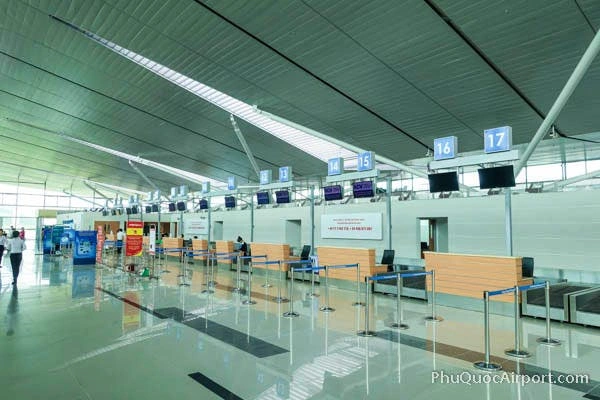
Vietnam is accelerating its tourism ambitions with a major redevelopment of Phu Quoc International Airport, a project designed to turn the island gateway into a leading aviation hub in Asia Pacific. The planned upgrade will sharply increase passenger capacity, introduce advanced smart-airport technology and strengthen international access to one of Vietnam’s fastest-growing leisure destinations. For travelers, airlines and the local hospitality sector, the expansion could reshape how visitors reach and experience Phu Quoc in the years ahead.
At the center of the plan is a dramatic rise in airport capacity to 24 million passengers annually, with long-term scalability reaching 50 million. That scale signals confidence in sustained travel demand and underlines the government’s broader strategy of using modern infrastructure to support tourism growth, economic development and stronger global connectivity.
Major Boost for Vietnam Tourism
Phu Quoc has rapidly grown from a regional getaway into an international resort destination known for beaches, luxury hotels, entertainment complexes and expanding air links. More airport capacity can unlock further growth by allowing airlines to add routes, increase frequencies and operate larger aircraft.
For the tourism economy, easier access often translates into longer seasons, stronger hotel occupancy and higher visitor spending across restaurants, attractions, retail and transport services. Island destinations are particularly dependent on aviation, making airport investment one of the most powerful tools for future growth.
As Southeast Asia continues to recover strongly, destinations with modern gateways are expected to gain a competitive edge.
Smart Technology to Speed the Journey
The redevelopment includes a fully self-service passenger ecosystem designed to reduce queues and streamline the airport experience. Travelers are expected to use automated systems for check-in, seat selection, boarding pass issuance and baggage processing.
This move reflects a global shift toward contactless travel, where speed, convenience and reliability increasingly shape airport rankings and traveler satisfaction. Biometric and digital processes can also help airports handle higher passenger volumes without sacrificing service quality.
For visitors arriving on holiday, a faster airport journey can improve the trip from the very first touchpoint.
Real-Time Operations Behind the Scenes
Beyond the passenger-facing upgrades, the airport is expected to run on an advanced digital backbone supporting day-to-day operations. Planned systems include real-time baggage tracking, integrated operational databases and expanded passenger information displays across the terminal.
These tools are critical in busy airports because they improve coordination, reduce delays and give travelers clearer updates during disruptions or schedule changes. Reliable operations are especially important for islands, where flight delays can affect onward transfers, resort check-ins and tour bookings.
Strategic Timing and Global Visibility
The development timeline is aligned with major international events, including the upcoming APEC forum, which is expected to draw global attention to the region. Delivering airport upgrades ahead of high-profile gatherings can strengthen readiness for delegates, investors and international media while showcasing Vietnam’s infrastructure progress on a global stage.
Large events often create a lasting tourism legacy when they improve awareness and encourage repeat leisure travel after delegates return home.
Stronger Appeal for Airlines and Hotels
Airlines typically favor destinations with efficient terminals, growth potential and dependable operations. A larger, smarter Phu Quoc Airport could therefore attract new carriers or encourage existing airlines to expand service from key Asian hubs and long-haul markets.
That matters for hotels and resorts across the island. More seats in the market generally mean more opportunities to sell packages, attract international guests and reduce dependence on a smaller number of source markets.
Luxury resorts, family hotels and new hospitality projects all stand to benefit from stronger air connectivity.
Part of a Bigger National Plan
The Phu Quoc project also reflects a wider strategy to modernize airport infrastructure across Vietnam. Similar development models are expected in other destinations as the country builds a more balanced and connected travel network.
That broader approach can spread tourism benefits beyond established gateways by helping secondary cities and emerging regions attract direct flights and new investment.
For travelers, it means more route options and easier access to diverse destinations across the country.
Why Phu Quoc Stands Out
Phu Quoc combines natural beauty with upscale tourism infrastructure, making it one of Vietnam’s most distinctive island destinations. Visitors are drawn by beachfront resorts, marine activities, nightlife, family attractions and growing wellness offerings.
With a world-class airport experience, the island can strengthen its appeal to premium travelers who expect seamless journeys as much as high-quality accommodation.
Looking Ahead
The modernization of Phu Quoc International Airport is more than a transport project. It is a statement of Vietnam’s long-term tourism ambitions and its readiness to compete for future global travel demand.
If delivered as planned, the expansion will give Phu Quoc the capacity, connectivity and technology needed to become one of Asia Pacific’s standout island gateways—benefiting travelers, airlines, hotels and the wider Vietnamese economy alike.
For more travel news like this, keep reading Global Travel Wire