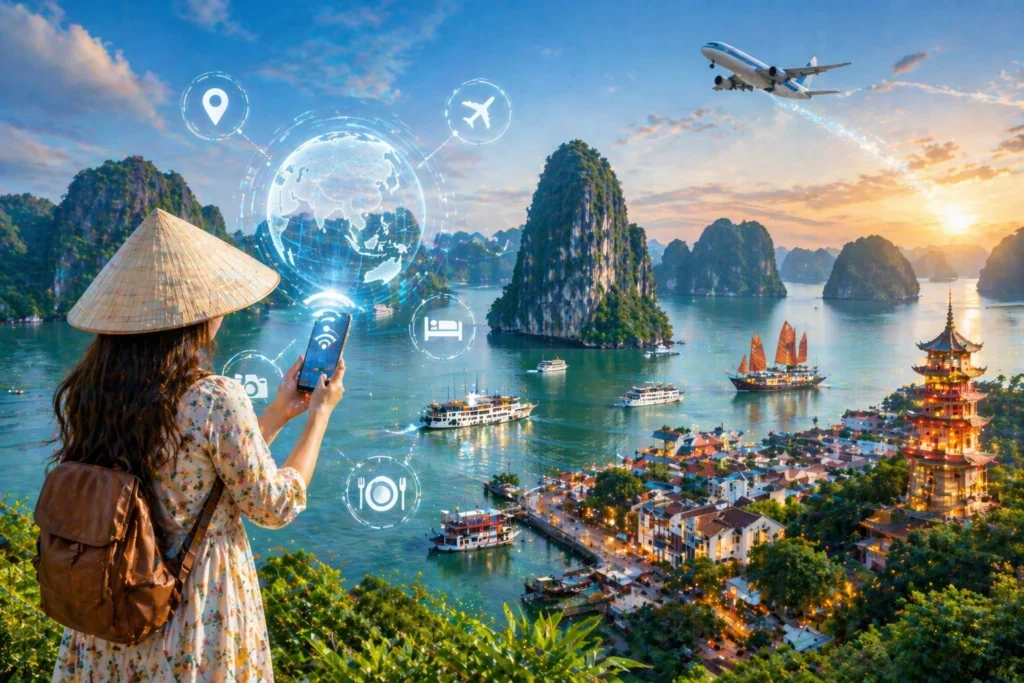
Vietnam is accelerating its tourism transformation through artificial intelligence, positioning digital innovation at the center of its strategy to become a more competitive global destination by 2026. From personalized travel recommendations to smarter operations and data-led planning, AI is increasingly shaping how visitors discover, book and experience the country. The shift reflects a broader national push to modernize tourism infrastructure, improve service quality and support long-term growth across one of Southeast Asia’s fastest-rising travel markets.
As global travelers demand faster, more tailored and seamless journeys, destinations that successfully integrate digital tools are gaining an advantage. Vietnam’s move toward AI-powered tourism signals its intention to lead that trend in the region while strengthening the appeal of its cities, coastlines, cultural sites and emerging leisure destinations.
Personalized Travel Becomes the New Standard
One of AI’s biggest impacts is personalization. Tourism businesses are using intelligent systems to analyze traveler preferences and recommend experiences that match individual interests, budgets and schedules.
That could mean suggesting heritage tours in Hanoi, beach escapes in Phu Quoc, culinary trails in Ho Chi Minh City or nature adventures in central Vietnam. Instead of one-size-fits-all travel planning, visitors increasingly receive curated ideas that make trips more relevant and memorable.
Virtual assistants and smart chat tools can also support travelers before and during their journeys by answering questions, recommending nearby attractions and helping with bookings in real time.
For visitors, this creates smoother planning and richer experiences. For businesses, it can increase satisfaction, repeat visits and stronger customer loyalty.
Government Push for Smart Tourism
Vietnam’s digital tourism progress is being backed by government-led transformation policies designed to modernize the sector. National frameworks focused on digital development and smart technologies are helping create conditions for wider AI adoption across travel businesses and destination management.
That support is significant because tourism technology often requires investment in infrastructure, training and integration. Public policy can help speed adoption, especially in a fragmented industry that includes airlines, hotels, attractions, restaurants and small tour operators.
By embedding technology into long-term planning, Vietnam is building a tourism ecosystem that can evolve with changing traveler expectations.
Smarter Operations for Hotels and Airlines
AI is not only changing the guest experience. It is also improving how tourism businesses operate behind the scenes.
Hotels can use predictive systems to forecast occupancy, adjust pricing and better manage staffing levels. Airlines can analyze booking trends, optimize capacity and improve customer communication. Tour operators can automate routine tasks and focus more resources on service delivery.
These efficiencies can reduce costs, improve reliability and create better outcomes for travelers, especially during busy holiday periods when demand spikes quickly.
For guests, smoother operations often mean faster responses, fewer disruptions and more consistent service quality.
Better Data, Better Decisions
Tourism generates vast amounts of data, from booking behavior to guest reviews and movement patterns. AI helps convert that information into practical insights.
Businesses can identify which markets are growing, what experiences travelers value most and where demand is shifting seasonally. Destinations can also use data to understand visitor flows and reduce overcrowding at popular attractions.
That matters for sustainability. Managing numbers more effectively can protect heritage sites, improve resident quality of life and distribute tourism benefits across wider regions rather than concentrating them in a few hotspots.
Opportunities for Smaller Operators
One challenge in any digital transition is ensuring smaller businesses are not left behind. Independent hotels, family-run guesthouses and local tour companies may have fewer resources to invest in advanced systems.
Vietnam’s wider digital agenda aims to support inclusion so that small and medium-sized enterprises can also access technology tools and remain competitive.
This is crucial because smaller operators often deliver the authentic experiences travelers seek, from homestays and local cuisine to community-based tours.
If empowered with digital tools, they can reach broader markets while preserving local character.
Trust, Privacy and Responsible Growth
As AI expands, data privacy and cybersecurity become increasingly important. Travelers expect personalized services, but they also expect their information to be handled securely and responsibly.
Strong governance, transparent data use and reliable digital systems will be essential to maintaining trust in smart tourism platforms.
Responsible implementation will determine whether technology enhances hospitality without losing the human touch that defines memorable travel.
Why It Matters for Southeast Asia
Vietnam’s progress could influence tourism strategies across the region. As neighboring destinations compete for the same travelers, success in AI adoption may encourage broader investment in smart airports, digital visitor services and data-driven destination management across Southeast Asia.
That can raise standards across the region while improving convenience for millions of travelers.
Looking Ahead to 2026
Vietnam’s embrace of artificial intelligence marks a new chapter for its tourism industry. By combining technology with culture, hospitality and destination development, the country is building a smarter travel model designed for future demand.
For visitors, that means more personalized journeys, faster services and better experiences. For the industry, it means stronger competitiveness and more sustainable growth. If momentum continues, Vietnam could emerge as one of Asia’s leading examples of how AI can transform tourism in the digital age.
For more travel news like this, keep reading Global Travel Wire