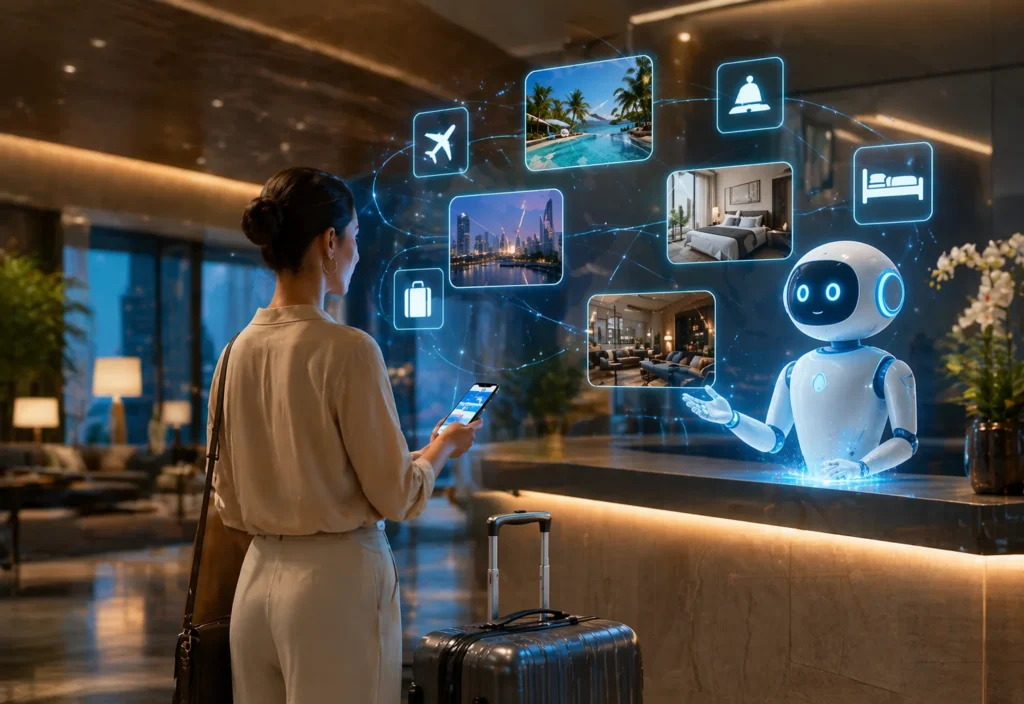
The Ascott Limited has announced a major investment in AI-ready infrastructure to reshape how travelers search, plan, and book accommodation in the years ahead. The hospitality company is partnering with global technology and education leaders to build a future-focused ecosystem where intelligent digital agents play a larger role in travel decisions while human service remains central to the guest experience.
The move positions Ascott among the early hospitality groups preparing for the rise of agentic commerce, a fast-emerging model where AI systems can assist travelers with personalized planning, recommendations, and bookings. Through new collaborations with Accenture, Amadeus, and EHL Hospitality Business School, Ascott aims to modernize its digital architecture, strengthen hotel distribution systems, and train teams for an AI-enabled future.
With more than 1,000 properties across 14 brands in over 230 cities, the company sees significant opportunity to use technology to improve travel experiences, increase efficiency, and remain competitive in a rapidly changing tourism landscape.
AI Set to Reshape Hotel Booking Trends
Travel booking behavior is evolving quickly as consumers demand faster searches, tailored recommendations, and seamless digital experiences. AI tools are becoming increasingly important in helping travelers compare options, receive relevant suggestions, and complete reservations with less effort.
Ascott’s latest strategy reflects this shift. Instead of treating AI as a short-term add-on, the company is building long-term infrastructure that can support future guest interactions across websites, apps, messaging channels, and smart travel assistants.
This includes systems designed to connect reservation platforms, property management tools, customer relationship systems, and loyalty programs. By integrating these core functions, Ascott can deliver more personalized offers and smoother booking journeys for guests across different brands and destinations.
For travelers, this means easier access to accommodation choices that better match their needs, whether they are planning a weekend city break, a family holiday, or an extended stay.
Cubby to Evolve into a Personal Travel Assistant
A key part of Ascott’s AI journey is the development of Cubby, its digital concierge platform launched in 2023. Since introduction, Cubby has handled hundreds of thousands of guest inquiries, supporting travelers with routine requests while improving booking outcomes.
The next phase could see Cubby evolve from a helpful assistant into a more advanced personal travel agent capable of managing complete travel tasks. Future capabilities may include comparing accommodation options, suggesting itineraries, arranging stays, and completing reservations on behalf of guests.
This would create a new level of convenience in tourism, where travelers receive proactive support instead of simply reacting to search results. Personalized digital assistants could also help repeat guests enjoy faster service based on previous preferences and loyalty benefits.
For the hospitality sector, such innovation represents a major step toward more intelligent and guest-centric travel planning.
Smarter Hotel Distribution with Richer Search Options
Ascott is also upgrading how its properties are distributed and discovered online. Traditional hotel booking systems often focus mainly on room categories and fixed rates. While effective in some cases, this model can limit flexibility for diverse portfolios that include serviced residences, resorts, hotels, and lifestyle stays.
To address this, Ascott is implementing a modern reservation system powered by Amadeus. The new platform will allow the company to present properties using richer details beyond room type alone. Features, amenities, stay styles, and unique property attributes can become part of the booking decision.
This is especially important as AI-powered search engines and travel assistants become more common. Intelligent systems need structured and detailed information to recommend the most suitable accommodation.
For guests, the result could be more relevant search matches and clearer choices. For hotel owners and operators, it offers faster promotion launches, improved pricing consistency, and stronger market responsiveness.
Training People for an AI Future
While technology is central to the announcement, Ascott has also emphasized that people remain its greatest advantage. Human warmth, local knowledge, and thoughtful service continue to define memorable travel experiences in ways machines cannot fully replace.
To ensure teams are prepared for future operations, Ascott is working with EHL Hospitality Business School to build specialized training programs through its Global Brand Academy. These programs are designed to create internal trainers and equip employees with the skills needed to work confidently alongside AI tools.
The focus is not only technical training but also service culture, brand standards, and leadership development. As automation handles repetitive tasks, staff can spend more time on high-value guest interactions that build loyalty and satisfaction.
This balanced approach reflects a growing trend across tourism: successful digital transformation depends as much on people as it does on software.
Why This Matters for Global Tourism
Ascott’s investment highlights how technology is becoming one of the most important drivers of growth in tourism and hospitality. As travelers expect faster responses, personalized recommendations, and frictionless bookings, hotels and travel brands must adapt.
AI-enabled systems can improve operational efficiency, reduce response times, optimize pricing, and increase direct bookings. They can also help destinations and accommodation providers understand traveler preferences more clearly, leading to stronger marketing and better visitor experiences.
At the same time, maintaining authentic hospitality remains essential. Travelers may use AI to plan their journeys, but memorable stays are still shaped by welcoming staff, quality service, and meaningful experiences on the ground.
By combining advanced technology with human care, Ascott is aiming to create a model that reflects the future of travel.
Strong Growth Outlook for Ascott
With a global portfolio spanning major tourism and business hubs, Ascott’s AI investment could strengthen its competitive position across multiple travel segments, including leisure stays, long-stay accommodation, family holidays, and corporate travel.
As the hospitality industry enters a new digital era, brands that invest early in smart infrastructure, data connectivity, and workforce readiness may gain a significant advantage. Ascott’s latest move signals confidence that AI hospitality solutions will play a defining role in the next chapter of global tourism growth.
For travelers, the future may soon mean booking smarter, staying easier, and enjoying more personalized journeys than ever before.