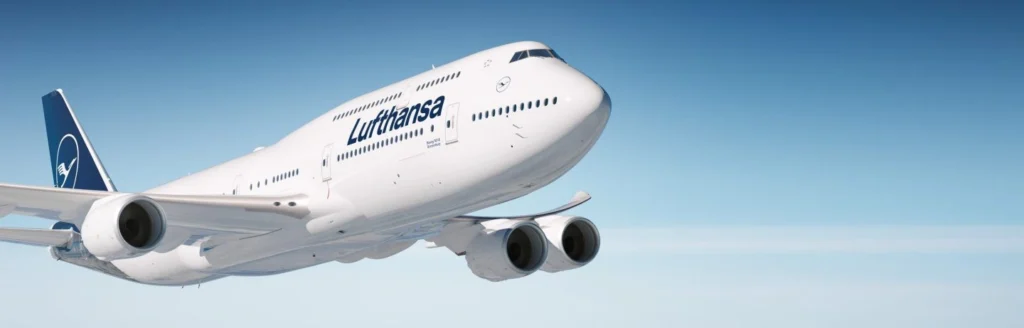
Europe’s summer travel season is facing fresh uncertainty after Lufthansa announced plans to cut around 20,000 short-haul flights through October 2026, citing pressure from tightening jet fuel supply and rising energy costs. The decision has triggered wider concern across the travel sector, with experts urging passengers to review travel insurance, monitor bookings closely, and prepare for potential disruption during one of the busiest holiday periods of the year.
The scale of the reductions makes this one of the most significant operational adjustments by a major European airline in recent years. For travelers across the continent, the impact could extend far beyond one carrier, affecting route availability, fares, airport congestion, and confidence in summer travel planning.
Lufthansa Cuts Thousands of Flights
Lufthansa’s reductions are focused on its short-haul European network, particularly services linked to major hubs such as Frankfurt and Munich. By trimming capacity, the airline aims to conserve fuel, improve efficiency, and better manage costs in a volatile operating environment.
Short-haul networks are often the first area airlines adjust during market pressure because they involve high flight frequency, intense competition, and narrower margins. While some routes may return later, the immediate effect is fewer options for passengers and tighter seat supply during peak demand periods.
The airline has also accelerated wider efficiency measures, including fleet modernization and operational restructuring, to adapt to changing market conditions.
Why Jet Fuel Supply Matters
Jet fuel remains one of the largest costs in aviation. When prices surge or supply tightens, airlines must make rapid decisions to protect schedules and profitability. Even small increases in fuel prices can have a major impact when multiplied across thousands of flights.
Current concerns stem from geopolitical instability affecting global energy flows and uncertainty around key oil transit routes. Europe’s aviation sector is particularly sensitive because airlines depend on steady fuel supply chains and operate dense flight schedules during summer.
If supply remains constrained, airlines may continue reviewing frequencies, route networks, and aircraft deployment across the region.
Wider Impact Across Europe
Lufthansa is not alone in responding to fuel pressure. Airlines across Europe have already adjusted schedules, warned of possible disruption, or introduced cost-control measures. Carriers including KLM, Ryanair, SAS, and others are watching market conditions closely as they balance demand recovery with rising operating expenses.
For passengers, that means disruption could spread beyond one booking or one airline. Even unaffected flights may experience heavier demand if travelers are rebooked from cancelled services or switch carriers.
Airport operations can also feel the strain when schedule changes trigger last-minute gate adjustments, longer queues, and increased customer service demand.
Why Travel Insurance Is Now a Priority
As uncertainty grows, travel specialists are increasingly encouraging passengers to review travel insurance before departure. Many travelers buy cover focused on medical emergencies or baggage loss, but schedule disruption is becoming equally important.
Passengers are being advised to check whether policies include:
- Trip cancellation protection
- Travel delay coverage
- Missed connection benefits
- Alternative transport expenses
- Accommodation costs after disruption
- Coverage linked to airline operational changes
Not all policies offer the same level of protection, so reading terms carefully before booking remains essential.
What Travelers Should Do Now
With summer demand already building, flexibility is becoming one of the most valuable travel tools. Passengers can reduce stress by taking practical steps early.
Recommended actions include:
- Confirm bookings regularly
- Check airline notifications and app alerts
- Consider flexible fares where possible
- Allow extra connection time
- Review insurance coverage before departure
- Keep backup route options in mind
Travelers with complex itineraries involving multiple flights, cruises, tours, or rail connections may benefit most from early planning.
Tourism Sector Watches Closely
The impact of flight cuts goes beyond airlines. Hotels, tour operators, cruise lines, attractions, and destination businesses all rely on predictable air access. Reduced capacity can mean fewer arrivals, shorter stays, or delayed bookings in tourism-dependent markets.
Popular city-break destinations, Mediterranean resorts, and major event cities may all feel the effect if travelers postpone trips or face fewer flight choices. At the same time, destinations with stronger rail access may gain demand from passengers seeking alternatives to flying.
A New Reality for Summer Travel
The latest developments are a reminder that travel is increasingly shaped by forces beyond tourism itself. Energy markets, geopolitics, and supply chains now influence airfare pricing, route planning, and the reliability of holiday schedules.
For travelers, the message is not to panic—but to prepare.
Looking Ahead
If fuel markets stabilize, airlines may restore some capacity and pricing pressure could ease. If volatility continues, further schedule adjustments across Europe remain possible.
For now, Lufthansa’s 20,000-flight reduction has become an early warning sign for the wider travel market. Summer trips can still go ahead, but successful travel in 2026 may depend more than ever on flexibility, insurance readiness, and staying informed every step of the journey.
For more travel news like this, keep reading Global Travel Wire