Pakistan’s tourism and travel sector is closely watching regional developments after fresh diplomatic changes involving the United States and Iran added uncertainty to the wider Middle East travel landscape. While the latest headlines focus on international politics, the tourism impact is broader, affecting airline routes, traveler confidence, business visits, and regional connectivity across South Asia and the Gulf.
For Pakistan, which has been working to strengthen its tourism image through mountain travel, heritage destinations, religious tourism, and improved international outreach, stability in surrounding regions remains important. Global travel markets are highly interconnected, and changes in one corridor can quickly influence passenger behavior across neighboring destinations.
The latest diplomatic shift serves as a reminder that tourism planning today depends not only on destination appeal, but also on confidence, transport access, and regional perception.
Why Regional Events Matter for Tourism
Tourism does not operate in isolation. Airline schedules, traveler decisions, insurance costs, and tour bookings can all be influenced by geopolitical events even when a destination is not directly involved.
For countries such as Pakistan, regional developments can affect:
- International flight demand
- Transit passenger flows
- Hotel bookings
- Business travel confidence
- Conference and event planning
- Traveler sentiment in key source markets
This is especially relevant in regions where many journeys depend on connecting flights through major hubs.
When uncertainty rises, some travelers delay plans, while others shift routes or choose destinations perceived as lower risk.
Pakistan’s Growing Tourism Ambitions
Pakistan has increasingly positioned itself as an emerging tourism destination with diverse offerings that appeal to domestic and international visitors alike.
Key tourism strengths include:
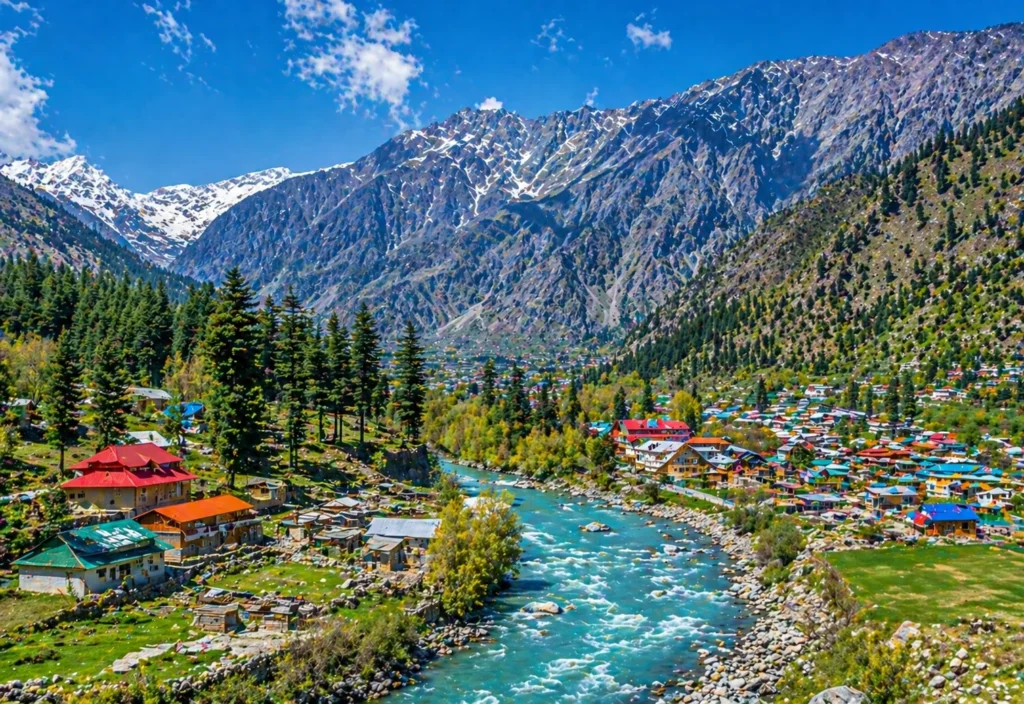
- Northern mountain landscapes
- Adventure tourism and trekking
- Cultural heritage sites
- Religious tourism routes
- Historic cities and architecture
- Expanding urban hospitality sectors
Government promotion, improved road networks, and rising digital visibility have helped place Pakistan on more travelers’ radar in recent years.
As the sector grows, maintaining confidence and accessibility becomes even more important.
Air Connectivity Remains Essential
Aviation is one of the biggest factors shaping tourism performance. Pakistan benefits from connections to the Gulf, Europe, Asia, and domestic regional markets. Any shift in international travel patterns can influence ticket pricing, route availability, and transit behavior.
If travelers alter journeys due to wider regional uncertainty, airlines may adjust schedules or redistribute capacity based on demand.
Potential impacts can include:
- Longer routings on some journeys
- Stronger demand on alternate hubs
- Changes in airfare levels
- Schedule adjustments
- Different connection patterns
For tourism businesses, strong air access remains essential for growth.
Business Travel and Conferences Also Feel the Effect
Tourism is not only about leisure holidays. Business travel, diplomatic visits, trade delegations, and conferences are equally important parts of the visitor economy.
Pakistan’s major cities such as Islamabad, Karachi, and Lahore can benefit from business events, government meetings, and commercial travel. Regional uncertainty can sometimes delay these activities as organizations reassess travel timing or security considerations.
However, destinations that maintain stable services and clear communication often recover demand quickly.
Hotels, transport providers, and event venues all benefit when confidence remains strong.
Traveler Confidence Is Key
One of the most powerful drivers of tourism is perception. Even if transport systems continue operating normally, uncertainty in headlines can influence traveler behavior.
This is why official guidance, clear airline communication, and reliable travel information are so important.
Travelers planning trips to Pakistan or through the region should focus on:
- Official government advisories
- Airline schedule updates
- Entry requirements
- Insurance conditions
- Flexible booking options
Good information often reduces unnecessary concern and helps travelers make practical decisions.
Opportunity Through Route Shifts
Regional changes do not always create only challenges. Sometimes they also create opportunities for destinations that remain accessible and competitively priced.
If passengers seek alternate routes or consider new destinations, countries with strong hospitality value and unique experiences may benefit.
Pakistan could attract interest from travelers looking for:
- New cultural experiences
- Nature-based holidays
- Adventure travel
- Cooler mountain escapes
- Heritage-focused itineraries
As global travelers become more open to discovering emerging destinations, adaptable tourism markets can gain visibility.
Domestic Tourism Strengthens Resilience
One of the strongest trends in recent years has been the importance of domestic tourism. Local travelers help support hotels, restaurants, attractions, and transport providers even when international markets fluctuate.
Pakistan’s domestic travel market has shown growing interest in northern destinations, family road trips, heritage exploration, and seasonal escapes.
Domestic tourism provides resilience by reducing dependence on external demand alone.
Benefits include:
- Year-round travel activity
- Support for regional businesses
- Stronger local employment
- Better use of tourism infrastructure
- Greater national destination awareness
A balanced tourism strategy usually combines both domestic and international growth.
What Travelers Should Do Now
For anyone planning travel involving Pakistan, the Middle East, or nearby transit routes, preparation is the best approach.
Useful steps include:
- Confirm flights directly with airlines
- Monitor route changes regularly
- Keep flexible itineraries where possible
- Review travel insurance coverage
- Check official advisories before departure
- Allow extra time for connections
Most journeys continue smoothly, but flexibility can help if schedules change unexpectedly.
Pakistan’s Long-Term Tourism Outlook
Despite short-term regional uncertainty, Pakistan’s long-term tourism potential remains significant. Global demand for authentic experiences, outdoor travel, cultural depth, and less crowded destinations continues to grow.
Pakistan is well placed to benefit from these trends if it continues improving infrastructure, visitor services, digital promotion, and international confidence.
The country’s tourism future will likely be shaped by:
- Better air connectivity
- Sustainable mountain tourism
- Heritage conservation
- Hotel investment
- Easier visitor processes
- Strong destination branding
These fundamentals matter more over time than temporary headlines.
A Sector That Keeps Adapting
The global tourism industry has become highly adaptive. Travelers now change routes, compare destinations quickly, and respond in real time to world events. Destinations that communicate clearly and remain welcoming can continue attracting visitors even during uncertain periods.
For Pakistan, the current moment is both a challenge and a reminder of opportunity. Regional events may influence travel patterns, but strong tourism assets remain in place.
From the peaks of the north to the cultural richness of its cities, Pakistan continues to offer experiences that many modern travelers seek.
Looking Ahead
While diplomatic developments may create short-term uncertainty across regional travel markets, Pakistan’s tourism story is larger than any single news cycle. With growing domestic demand, expanding global awareness, and diverse travel experiences, the country remains an important destination to watch.
For travelers, the key is preparation. For the tourism sector, the focus remains on resilience, accessibility, and long-term growth.