Fresh diplomatic activity involving Pakistan, Iran, Oman and regional partners is creating cautious optimism for tourism recovery across the Middle East, as governments intensify efforts to reduce tensions and restore confidence in international travel.
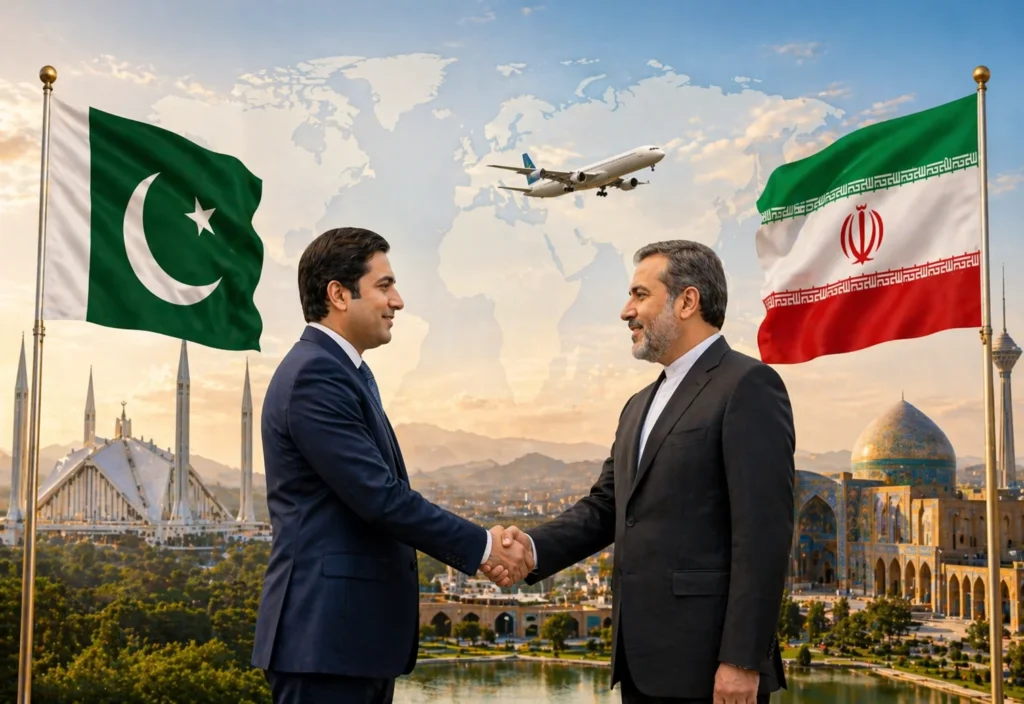
Iran’s foreign minister is set to visit Pakistan as part of a wider regional tour that also includes Oman and Russia. Official statements indicate the meetings will focus on bilateral cooperation and ongoing regional developments. The visit comes as Pakistan continues to support diplomatic dialogue aimed at easing conflict pressures and encouraging ceasefire discussions.
For the tourism sector, every sign of de-escalation matters. Airlines, hotels, cruise operators and destination authorities across the region are closely watching developments because peace and stability remain central to travel demand, investor confidence and visitor growth.
Why Diplomacy Matters for Tourism
Tourism is one of the industries most sensitive to geopolitical uncertainty. Even when major attractions remain open, conflict headlines can affect traveler sentiment, airline schedules, insurance costs and booking decisions.
When diplomatic engagement increases, it often improves market confidence. Tourists feel more comfortable making future travel plans, and businesses become more willing to invest in routes, hotels and visitor experiences.
Many national tourism boards in the Middle East have spent recent years promoting their countries as safe, modern and globally connected destinations. Regional cooperation supports those efforts by strengthening the image of stability and long-term opportunity.
Pakistan’s Growing Role in Regional Dialogue
Pakistan’s continued diplomatic outreach has drawn attention as officials promote negotiation and peaceful resolution of disputes. Public statements from Islamabad have emphasized support for multilateral cooperation, dialogue and regional peace.
This role is important for tourism because smoother diplomatic relations can help reopen travel corridors, strengthen aviation partnerships and encourage cross-border tourism flows. Regional travelers often move between Gulf destinations, South Asia and the wider Middle East for leisure, business and religious travel.
If diplomatic momentum continues, countries across the region could benefit from stronger visitor demand and improved connectivity.
Middle East Tourism Has Strong Long-Term Potential
Despite recent tensions, the Middle East remains one of the world’s most dynamic tourism regions. Governments have invested heavily in airports, airlines, hospitality projects, heritage restoration and mega-events.
Official tourism strategies across the region focus on diversification, reducing dependence on traditional industries and creating jobs through travel and hospitality. Luxury resorts, desert tourism, wellness travel, religious tourism, cruise tourism and cultural city breaks continue to attract global interest.
The region also benefits from strategic geography, linking Europe, Asia and Africa through major aviation hubs and maritime routes.
With greater stability, these strengths can drive rapid tourism expansion.
Airlines and Air Routes Could Benefit First
Aviation is often the first sector to feel the impact of regional uncertainty and one of the first to recover when tensions ease.
If diplomatic progress reduces risk perceptions, airlines may restore frequencies, reopen suspended routes and increase capacity. More reliable air access can then support hotel occupancy, tour bookings and conference travel.
The Middle East is home to some of the world’s most influential carriers and airport hubs. Their recovery has wider effects on international tourism because millions of passengers use the region as a transit and stopover gateway.
Tourism ministries and civil aviation authorities continue to prioritize connectivity as a major engine of economic growth.
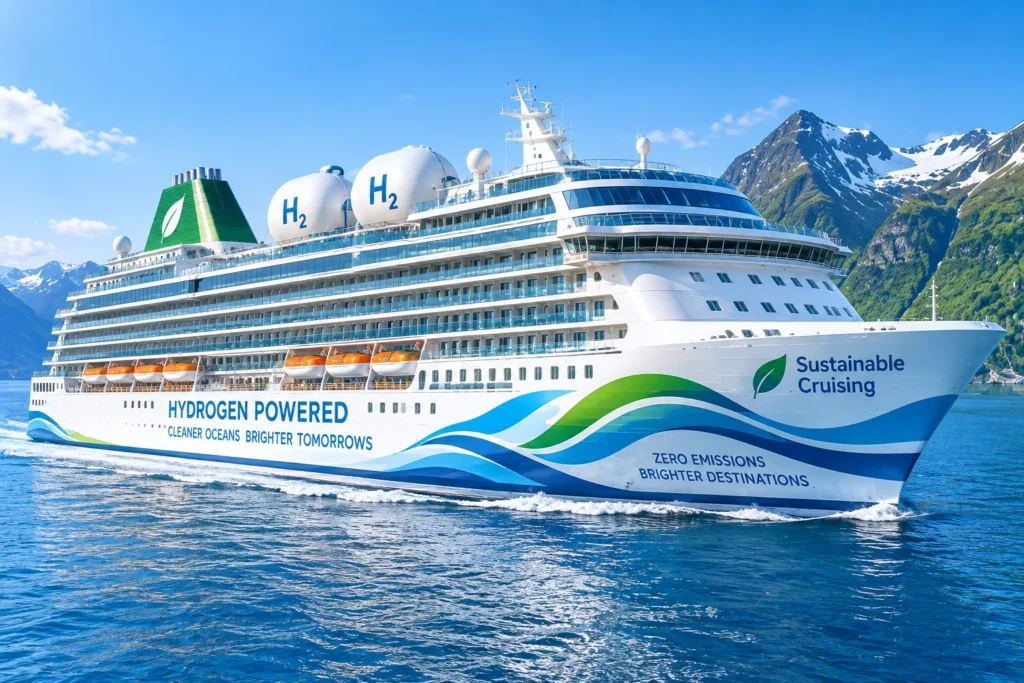
Cruise and Maritime Tourism Also Watching Closely
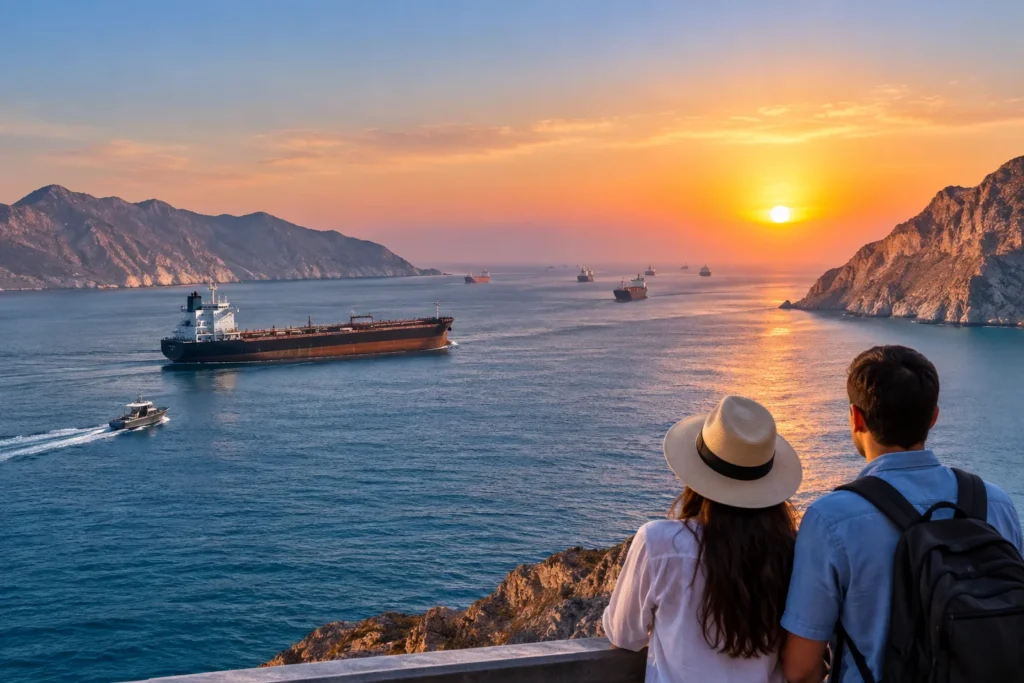
Shipping routes and maritime confidence are equally important for tourism. Cruise lines, ferry operators and luxury maritime tourism providers depend on safe regional waters and stable port operations.
The wider region includes globally significant sea corridors that support both trade and passenger movement. Greater diplomatic coordination can help reassure operators planning itineraries and seasonal deployments.
Cruise tourism has become an increasingly valuable segment for destinations seeking higher visitor spending, longer stays and diversified source markets.
As confidence returns, coastal cities and port destinations could see renewed opportunities.
Hotels and Investors Seek Stability
Hospitality investors closely monitor geopolitical developments when planning new hotels, resorts and mixed-use tourism projects. Stable conditions make long-term investments more attractive and support financing confidence.
Across the Middle East, governments have announced ambitious hotel pipelines, entertainment districts and destination developments. These projects are designed to attract international leisure travelers, corporate visitors and events.
When diplomatic engagement improves the outlook, it can accelerate investment decisions and strengthen occupancy forecasts.
For local communities, this often means more jobs, stronger small-business demand and wider economic benefits linked to tourism.
Travelers Continue to Seek Culture and Experience
Even during uncertain periods, global interest in Middle Eastern tourism remains strong. Travelers are drawn by ancient heritage, modern skylines, luxury hospitality, desert landscapes, coastline escapes and world-class shopping.
Destinations across the region offer experiences ranging from archaeological wonders and spiritual journeys to adventure tourism and culinary travel.
As conditions improve, tourism boards are likely to intensify campaigns promoting authentic experiences, safety and easy access for international visitors.
This combination of demand and destination investment creates strong rebound potential.
What Tourism Recovery Could Look Like
If regional diplomacy leads to lasting calm, tourism recovery may unfold in several stages:
- Improved traveler confidence and fewer cancellations
- Restoration of airline schedules and route growth
- Higher hotel bookings and longer stays
- Return of conferences, exhibitions and business travel
- Stronger cruise and maritime tourism planning
- Increased foreign investment in tourism projects
- Growth in multi-country regional itineraries
Past travel recoveries have shown that demand can return quickly when travelers feel reassured.
A Key Moment for Regional Tourism in 2026
The latest diplomatic movements involving Pakistan and regional capitals come at an important time for global travel. International tourism demand remains strong, but travelers increasingly prioritize safety, reliability and seamless journeys.
For the Middle East, peace and cooperation could unlock a powerful new phase of growth built on world-class infrastructure, cultural richness and strategic connectivity.
For travelers, it could mean more destinations, better air access and greater confidence to explore the region. For tourism businesses, it could open the door to renewed expansion and stronger long-term growth.
The message from the travel sector is clear: diplomacy does more than shape politics—it helps shape the future of tourism.