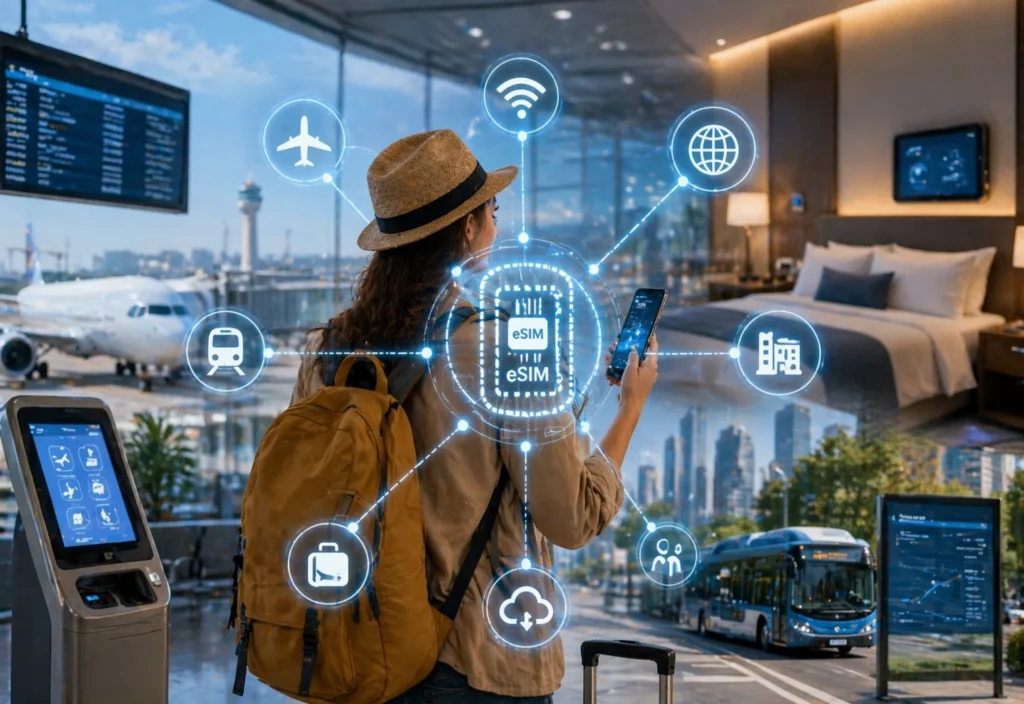
The tourism industry is rapidly embracing connected technology as destinations, hotels, airports and transport operators invest in smarter infrastructure to improve visitor experiences. In 2026, global advances in internet of things (IoT) connectivity and next-generation eSIM management are expected to play a major role in shaping the future of travel.
As tourism rebounds worldwide, governments and tourism boards are prioritizing digital transformation, seamless mobility and efficient visitor services. Stronger device connectivity can support everything from smart hotel rooms and baggage tracking to crowd management, transport systems and destination analytics.
The latest developments in global IoT resilience highlight how travel ecosystems are becoming more responsive, secure and efficient for both tourists and businesses.
Why IoT Matters for Modern Tourism
IoT refers to connected devices that share data in real time. In tourism, these devices are increasingly used across airports, hotels, attractions, cruise terminals and city transport networks.
Examples of tourism IoT applications include:
- Smart room access in hotels
- Real-time luggage tracking at airports
- Connected public transport systems
- Visitor flow monitoring at attractions
- Environmental controls in resorts
- Safety alerts in remote tourism zones
- Digital kiosks and multilingual information systems
As more tourism services depend on connected devices, stable and secure network access becomes essential. Without reliable connectivity, guest experiences can be disrupted and operations can slow down.
eSIM Technology Creates More Flexible Travel Networks
A major innovation supporting this shift is eSIM technology. Unlike physical SIM cards, eSIM solutions can be activated and managed remotely. This gives businesses greater flexibility when operating devices across multiple countries and networks.
For the tourism industry, this is especially valuable because travel businesses often manage equipment across international locations. Hotels, airlines, cruise lines and destination operators need systems that continue working across borders without costly downtime.
The latest GSMA-backed SGP.32 standard is designed to improve remote SIM provisioning for IoT devices, especially devices with no screen or user interface. This makes it easier to deploy connected systems in places where physical maintenance is difficult, such as transport fleets, kiosks, remote attractions or smart infrastructure networks.
For global tourism, this means stronger service continuity and faster deployment of digital solutions.
Airports and Airlines Benefit from Smarter Connectivity
Airports are among the most technology-dependent parts of the travel sector. Baggage systems, security devices, self-check-in terminals, boarding gates and passenger information screens all rely on constant connectivity.
When networks fail, delays can spread quickly across operations. Smarter eSIM orchestration and multi-network fallback systems can help airports maintain service continuity even if one provider experiences disruption.
Airlines can also benefit through connected cabin systems, fleet monitoring, mobile crew tools and more reliable passenger service devices.
As aviation authorities worldwide continue investing in airport modernization, stronger connectivity infrastructure is becoming a key part of future-ready air travel.
Hotels Move Toward Fully Connected Guest Experiences
The hospitality sector is also seeing rapid growth in smart technology adoption. Guests increasingly expect digital convenience, from mobile check-in to personalized room controls.
Connected hotel systems may include:
- Smart locks and keyless entry
- In-room climate automation
- Energy-saving occupancy sensors
- Housekeeping alerts
- Contactless payment systems
- Smart concierge services
Reliable IoT connectivity allows hotels to manage these services efficiently across multiple properties. It also helps reduce energy waste, improve maintenance response times and enhance guest satisfaction.
Tourism ministries and hospitality associations have highlighted digital guest services as a competitive advantage in attracting modern travelers.
Smart Destinations Use Data to Improve Tourism Management
Cities and tourism destinations are also using connected systems to manage visitor flows, sustainability goals and public services.
Sensors and connected platforms can help authorities monitor crowded areas, optimize transport routes, improve waste management and deliver real-time visitor updates. In heritage sites and natural attractions, connected systems can support conservation while improving the visitor journey.
Many national tourism strategies now include smart destination programs focused on innovation, sustainability and digital infrastructure. Better connectivity helps destinations respond faster to visitor needs while protecting local resources.
Why Resilience Is Critical in Tourism Technology
While new standards and remote management tools create opportunities, resilience remains the real priority. Tourism businesses cannot afford systems that go offline during peak travel periods.
Hotels need uninterrupted room access systems. Airports need reliable check-in technology. Attractions need functioning ticket scanners. Cruise operators need connected safety and navigation tools.
This is why multi-network support, automatic fallback and centralized management are becoming essential. The goal is not only connectivity, but continuous connectivity.
For travelers, resilience often goes unnoticed—but it directly shapes whether a journey feels smooth or stressful.
Security and Compliance Also Matter
As tourism systems become more connected, data security and regulatory compliance are increasingly important. Businesses operating across countries must follow local data rules, privacy standards and telecommunications regulations.
Modern connectivity platforms are being designed to help companies manage these requirements while simplifying operations. This is particularly important for global travel brands with properties, fleets or services in multiple regions.
Governments continue encouraging digital growth, but secure implementation remains vital for long-term trust in smart tourism systems.
What This Means for Tourism in 2026
The rise of connected travel infrastructure shows that tourism is moving far beyond traditional bookings and reservations. The next phase of growth will be powered by real-time data, seamless automation and intelligent services that improve every step of the journey.
For travelers, this means faster airports, smarter hotels, better destination services and fewer disruptions. For tourism businesses, it means stronger efficiency, lower costs and better customer experiences.
As investment in smart tourism accelerates, destinations that prioritize reliable connectivity and digital innovation are likely to gain a stronger competitive edge in the global market.
The future of travel is not only about where people go—it is about how smoothly technology helps them get there, stay there and enjoy the experience.