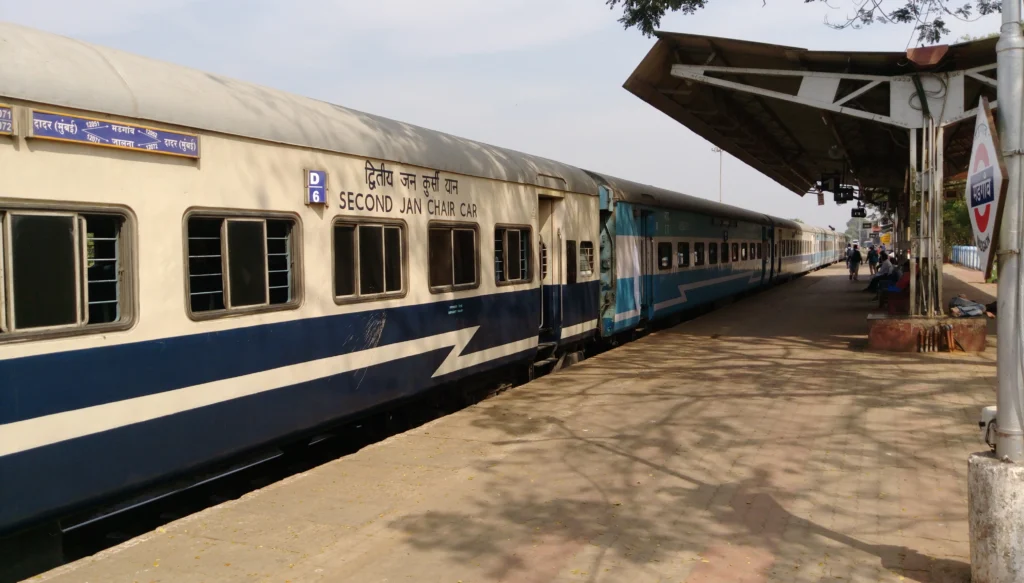
Indian Railways has announced a major overhaul of the Jan Shatabdi Express, introducing upgraded coaches designed to deliver higher comfort, stronger safety standards, and a more efficient passenger experience. The move marks another important step in India’s broader rail modernization strategy as the country invests heavily in better infrastructure, smarter mobility, and improved service quality across one of the world’s largest railway networks.
The revamped Jan Shatabdi Express is expected to appeal to a wide mix of travelers, from daily commuters and business passengers to domestic tourists seeking reliable and comfortable intercity transport. With fresh interiors, improved seating, enhanced surveillance, and modern onboard systems, the train is being positioned as a stronger premium short-to-medium distance travel option in India’s fast-evolving mobility market.
New Coaches Aim to Transform Passenger Comfort
Passenger comfort sits at the center of the upgrade. The new coaches feature more spacious seating layouts, improved cushioning, and ergonomically designed seats intended to make journeys more relaxing, particularly on busy intercity routes.
Refreshed interiors with modern styling are also expected to create a more premium atmosphere. Better lighting, upgraded luggage storage areas, and improved washroom facilities add to the overall experience, helping passengers feel that rail travel is becoming cleaner, smarter, and more customer-focused.
Fully air-conditioned coaches with enhanced ventilation systems are another major improvement. In a country where climate conditions can vary significantly across regions and seasons, temperature-controlled comfort remains a key factor for travelers choosing rail over road.
Stronger Safety Features Take Priority
Safety enhancements are a major part of the Jan Shatabdi revamp. Indian Railways has equipped the new coaches with updated systems including anti-collision technology, advanced fire safety equipment, and surveillance measures intended to improve onboard security.
CCTV systems are expected to support safer travel environments, especially for women, families, and vulnerable passengers. GPS-based monitoring can also help operational teams track train movements more effectively and respond faster in the event of disruptions or emergencies.
For many travelers, visible safety improvements can directly influence booking decisions. Modernized protection systems often build trust, increase repeat ridership, and strengthen rail’s reputation as a dependable mode of transport.
Tourism Routes Could See Stronger Demand
The upgraded Jan Shatabdi Express is also likely to support tourism growth on routes linking major urban and heritage destinations. Popular corridors connecting cities such as Delhi, Agra, and Lucknow could benefit from stronger demand as travelers look for convenient alternatives to highways and short domestic flights.
For tourists, the journey itself plays an important role in destination satisfaction. Cleaner coaches, more comfortable seating, and dependable schedules can significantly improve the overall travel experience. That is especially valuable for weekend breaks, family trips, and multi-city itineraries where time and convenience matter most.
Tour operators, hotels, restaurants, and local attractions may also benefit if better train experiences encourage more domestic travel across connected regions.
A Competitive Option for Business Travelers
Jan Shatabdi services have long attracted passengers who value punctuality and efficient schedules. With upgraded coaches, the train could become even more attractive to business travelers who need productive, stress-free journeys between commercial centers.
Compared with road travel, rail offers more predictable travel times. Compared with aviation on shorter sectors, rail can reduce airport-related delays, transfers, and waiting times. That combination of convenience and reliability is increasingly important in India’s growing corporate travel segment.
Sustainability Supports Long-Term Growth
Indian Railways has also linked the coach upgrade to wider sustainability goals. Energy-efficient systems in the revamped coaches are expected to help reduce the environmental footprint of operations while supporting cleaner transport choices.
As travelers become more aware of sustainability, rail’s lower-emission profile compared with many road-based options can strengthen its appeal. For younger travelers and environmentally conscious consumers, greener mobility is no longer a niche factor—it is becoming a mainstream booking consideration.
More Modernization Ahead
The Jan Shatabdi Express overhaul is widely seen as part of a larger transformation rather than a one-off project. Indian Railways continues to modernize stations, rolling stock, digital ticketing, passenger information systems, and onboard services across the network.
Future enhancements are expected to include expanded digital features such as onboard Wi-Fi, charging facilities, and more integrated booking experiences. Together, these upgrades reflect a shift toward passenger-first travel where convenience and service quality are as important as network size.
What Travelers Should Expect Next
The revamped Jan Shatabdi Express is scheduled to enter service in the coming months. Travelers planning upcoming journeys should watch for route deployment details, coach availability, and updated onboard amenities.
If the rollout meets expectations, the upgraded train could become a benchmark for future intercity rail services across India. More importantly, it signals that rail travel in the country is entering a new phase—one defined by better comfort, stronger safety, smarter technology, and greater appeal for both commuters and tourists.
For more travel news like this, keep reading Global Travel Wire