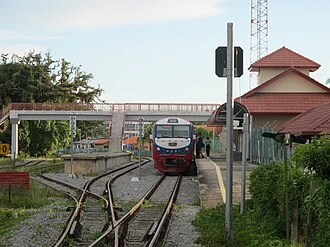
Malaysia’s Sabah Rail is preparing to go fully cashless by June, a major modernization move that could reshape how tourists and residents travel across one of Southeast Asia’s most scenic destinations. The transition to digital payments is designed to speed up ticketing, reduce queues, improve convenience, and align Sabah’s transport network with rising global demand for seamless, contactless travel experiences.
For visitors heading to Sabah’s beaches, wildlife reserves, mountain landscapes, and coastal cities, the change promises a simpler journey from the moment they arrive. Instead of relying on physical cash, passengers will be able to use mobile apps, payment cards, e-wallets, and other digital methods to access rail services more efficiently.
A New Standard for Tourist Convenience
Cashless transport systems are increasingly becoming an expectation rather than a luxury for modern travelers. Many international visitors now prefer destinations where booking, ticketing, and everyday payments can be completed quickly from a phone or bank card.
Sabah Rail’s new system is expected to remove several common travel frustrations. Visitors will no longer need to search for local currency, wait at ticket counters, or carry extra cash for train journeys. Instead, they can focus on planning itineraries and enjoying attractions across the region.
Advance ticket purchases through mobile platforms are also set to make trip planning easier. Travelers can secure seats before reaching the station, reduce waiting times, and manage schedules more confidently during busy holiday periods.
Supporting Sabah’s Tourism Economy
Sabah is one of Malaysia’s most important leisure destinations, known for its biodiversity, marine tourism, mountain adventures, and rich cultural heritage. Easier rail access can help distribute visitor spending across multiple cities and towns rather than concentrating tourism in a few hotspots.
Destinations such as Kota Kinabalu, Tawau, and Sandakan could benefit from smoother passenger movement, encouraging more day trips, weekend breaks, and multi-stop journeys. When transport becomes simpler, travelers are more likely to explore beyond their first destination.
That shift can create stronger demand for hotels, local tours, restaurants, transport providers, retailers, and attractions throughout the state. For smaller businesses, improved rail convenience may translate into new customers and longer visitor stays.
Faster Stations and Better Passenger Flow
One of the clearest operational benefits of going cashless is speed. Digital transactions typically reduce boarding delays and shorten ticket purchase times, especially during peak periods.
Sabah Rail stations are expected to introduce ticket vending machines, digital kiosks, and upgraded customer service tools to support the rollout. These systems can help passengers move through stations more efficiently while accessing schedule updates and travel information in real time.
For travelers with tight schedules, smoother station experiences can make a major difference. Reduced queues mean more time spent sightseeing, dining, or reaching onward connections.
Safer and More Secure Travel Experience
The shift also reflects changing traveler priorities since the pandemic era, when contactless services gained strong momentum worldwide. Minimizing cash handling can reduce physical touchpoints and support cleaner, faster interactions in public spaces.
Digital payments may also offer stronger financial security. Card and app-based transactions are traceable, helping lower risks linked to carrying large amounts of cash or dealing with lost money while traveling.
For international tourists unfamiliar with local systems, that extra confidence can improve the overall perception of a destination and encourage repeat visits.
Inclusive Options for All Travelers
While digital-first travel is growing rapidly, accessibility remains essential. Sabah Rail plans to offer prepaid cards for passengers who may not use mobile wallets or bank cards. These cards can be topped up and used for rail travel, ensuring the system remains inclusive for different age groups, visitor types, and payment preferences.
That balance between innovation and accessibility is increasingly important for destinations serving both international tourists and local communities.
Boosting Sabah’s Modern Travel Image
For tourism marketers, the cashless shift supports Sabah’s image as a progressive and visitor-friendly destination. Travelers from markets where contactless payments are already standard often notice the ease of local transport when choosing where to return or recommend.
Modern rail systems, efficient ticketing, and digital convenience can help destinations compete more strongly in the regional tourism market. Sabah’s natural attractions remain the primary draw, but frictionless transport can significantly enhance the visitor experience.
What Comes Next
The June transition may be only the first phase of a wider digital transformation. Future developments could include live train tracking, online customer support, integrated multi-modal ticketing, onboard connectivity, and expanded mobility partnerships such as bike-sharing or first-mile transport links.
If those upgrades follow, Sabah Rail could become a model for how regional railways modernize tourism travel in emerging destinations.
A Stronger Future for Travel in Sabah
As the cashless launch approaches, Sabah Rail is doing more than changing how passengers pay. It is helping redefine travel across the state with faster service, easier access, stronger convenience, and a smarter tourism ecosystem.
For visitors and locals alike, the result could be a more connected Sabah—where getting around is as enjoyable and effortless as the destination itself.
For more travel news like this, keep reading Global Travel Wire