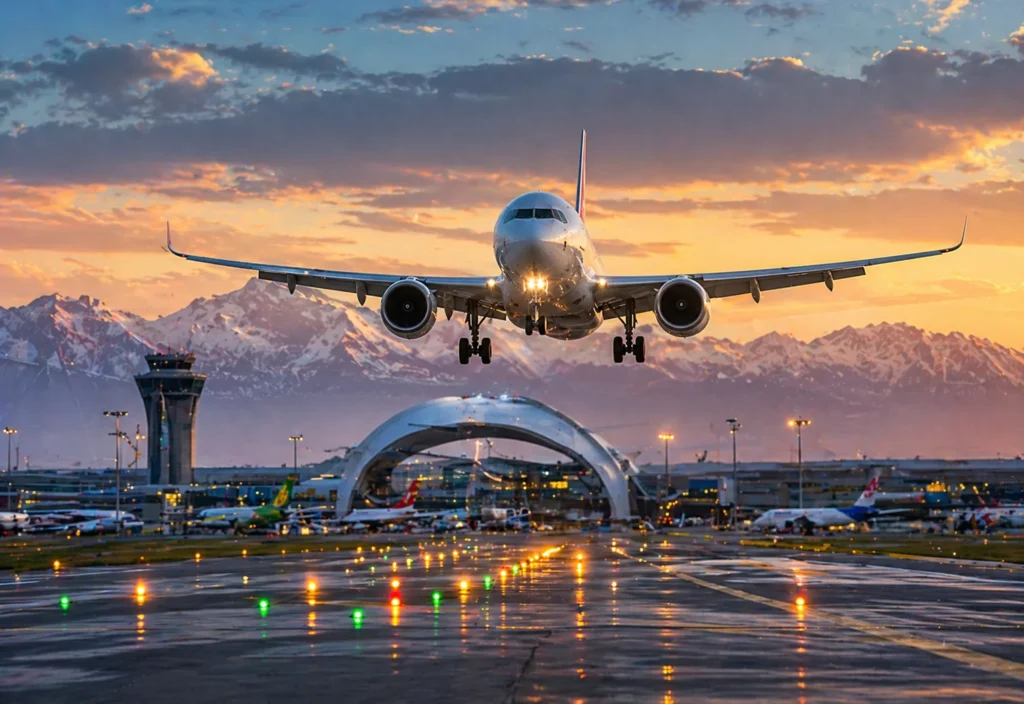
Iran’s tourism and aviation sectors are showing early signs of recovery as international flights gradually resume following the ceasefire and easing regional tensions. After weeks of suspended overseas air services, selected routes are returning to operation, bringing renewed optimism for travelers, tourism businesses, and the wider hospitality industry.
The restoration of international air connectivity is a key development for tourism because flights are the primary gateway for inbound visitors, business travelers, pilgrims, and members of the Iranian diaspora. As routes reopen, destinations across Iran may begin welcoming travelers again, while tourism operators prepare for a gradual rebound in demand.
Officials at Imam Khomeini Airport City confirmed that flights to several international destinations have restarted, with more services expected to return in phases. This measured reopening reflects both operational planning and ongoing coordination with airlines and aviation authorities.
Key Routes Reopen at Tehran Gateway
The resumption of flights to destinations including Istanbul, Najaf, Muscat, and Beijing marks an important step in reconnecting Iran with major regional and international travel markets. These routes serve a mix of tourism, business, religious, and family travel segments.
Istanbul is a major global aviation hub linking Europe, Asia, and the Middle East, making it an important route for onward travel. Najaf is significant for religious tourism, while Muscat supports regional travel and commercial exchange. Beijing offers strategic connectivity with East Asia and one of the world’s largest outbound travel markets.
For tourism stakeholders, the return of these destinations indicates a reopening pathway that could gradually restore visitor flows and strengthen travel confidence.
Why Air Connectivity Matters for Tourism
Air access is one of the most important drivers of tourism growth. Without reliable international flights, even destinations with strong cultural appeal and natural attractions face major barriers in attracting visitors.
Iran has a rich tourism offering that includes UNESCO World Heritage sites, historic cities, mountain landscapes, desert experiences, religious landmarks, traditional bazaars, and Persian cultural heritage. However, these attractions depend heavily on safe and accessible transport links.
As flights return, tour operators, hotels, guides, transport providers, and local businesses may begin seeing renewed opportunities. International connectivity can also support conference travel, educational exchange, and cross-border trade linked to the visitor economy.
Imam Khomeini Airport’s Strategic Role
Imam Khomeini International Airport serves as Iran’s main international gateway and is central to the country’s aviation recovery. The airport connects Tehran with regional capitals and long-haul markets, making it the natural starting point for rebuilding overseas travel networks.
Airport-led recovery often influences wider tourism momentum. When passengers see scheduled services restarting and airlines resuming confidence in a destination, it can encourage future bookings and restore market visibility.
The return of Beijing services was highlighted as a positive signal of international confidence. Long-haul route resumptions are especially important because they often carry higher tourism value through extended stays, higher visitor spending, and multi-city travel patterns.
Gradual Reopening Expected
Officials indicated that additional destinations will be added over time rather than through a full immediate restart. This phased approach is common after disruptions caused by conflict, natural disasters, or operational shutdowns.
Airlines typically assess several factors before resuming service, including airspace safety, insurance conditions, airport readiness, crew logistics, demand forecasts, and regulatory approvals. As these elements stabilize, more routes may be restored.
For travelers, gradual reopening means it is important to monitor airline schedules, booking conditions, transit rules, and official travel advisories. Services may expand step by step based on market demand and operational confidence.
Opportunities for Regional Tourism
The first wave of resumed routes suggests regional tourism may recover before broader long-haul leisure travel returns at scale. Nearby markets often rebound faster because of shorter travel times, stronger diaspora links, religious travel demand, and lower travel planning barriers.
Countries connected through the Middle East and Central Asia could play a leading role in the early recovery phase. Religious tourism routes, family visits, and essential business travel are often among the first segments to return after disruptions.
Once stability continues, leisure tourism may follow, especially among culturally curious travelers seeking heritage experiences, architecture, cuisine, and lesser-explored destinations.
Tourism Businesses Prepare for Recovery
Hotels, travel agencies, airlines, restaurants, museums, and transport providers often respond quickly when international flights resume. Even a limited restart can trigger preparation for broader visitor demand in the months ahead.
Tourism recovery may include refreshed marketing campaigns, revised itineraries, multilingual visitor services, and partnerships with airlines to attract bookings. Destinations that communicate clearly and rebuild traveler confidence are often better positioned for faster recovery.
Local economies connected to tourism can also benefit. Visitor spending supports jobs across accommodation, retail, food services, handicrafts, transport, and entertainment sectors.
Remaining Uncertainty
Although progress has begun, officials noted that it remains unclear when all routes will return to previous levels or whether every foreign airline will restart operations immediately. This uncertainty is common after major geopolitical disruptions.
Travel demand may return unevenly depending on traveler sentiment, regional conditions, and airline network strategies. Some carriers may resume quickly, while others may wait for longer-term stability.
For the tourism industry, patience and adaptability will be essential. Recovery is often strongest when built gradually on consistent service, transparent communication, and sustained confidence.
Outlook for Iran Tourism
The return of international flights is one of the clearest early indicators of tourism recovery. As more routes reopen and airline operations normalize, Iran could regain momentum as a destination known for history, culture, architecture, and hospitality.
While a full rebound may take time, the reopening of connections to Istanbul, Najaf, Muscat, and Beijing signals a positive direction. International Flights to Iran are once again beginning to move, and with them comes renewed potential for tourism growth, business exchange, and global connectivity.