The global tourism industry is entering a transformative new chapter in 2026 as artificial intelligence moves deeper into hotel operations, major hotel groups accelerate expansion, and luxury travel brands unveil experience-driven concepts for modern travelers. Three major developments are shaping the hospitality landscape: AI-powered digital employees entering hotel systems, Hilton’s rapid hotel growth across the Americas, and the launch of a new conscious-luxury collection designed for high-end global travelers.
Together, these trends reveal how tourism is evolving beyond traditional accommodation models. Hotels are no longer competing only on room inventory or location. They are now competing through technology, personalization, sustainability, and distinctive travel experiences.
For travelers, investors, and tourism destinations, this shift could redefine how journeys are planned and enjoyed over the coming years.
AI Hospitality Moves Beyond Chatbots
Artificial intelligence has already changed customer service through chat tools and automated messaging. In 2026, however, hospitality technology is progressing far beyond basic conversations.
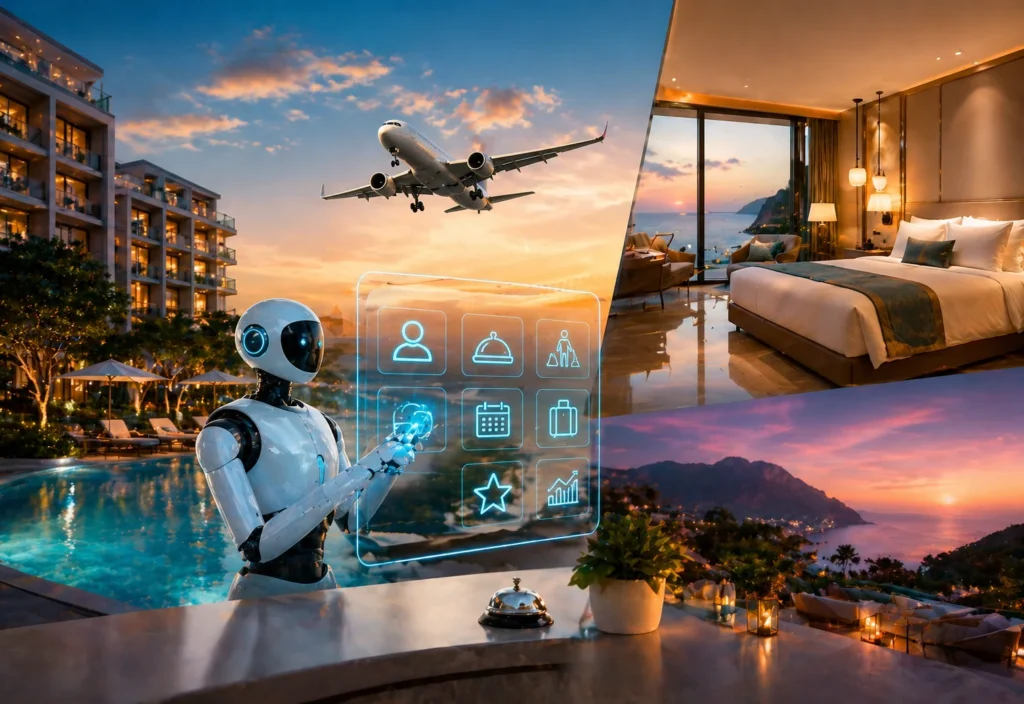
The next phase is workflow automation through digital employees. These systems are designed not only to answer guest questions, but also to complete tasks across hotel platforms such as reservations, guest preferences, follow-up communication, and operational support.
This development matters because it can improve efficiency while allowing human staff to focus on the most valuable part of hospitality: personal service.
Examples of how AI hospitality tools may support hotels include:
- Faster reservation handling
- Automated check-in assistance
- Personalized stay recommendations
- Real-time guest communication
- Loyalty program support
- Operational task management
As hotels adopt smarter systems, guests may enjoy quicker responses, smoother stays, and more customized travel experiences.
Direct Booking Technology Strengthens Hotel Control
Another major trend is the rise of direct booking systems integrated into hotel property management platforms. New travel technology solutions are helping hotels connect booking tools directly with internal systems rather than relying solely on third-party intermediaries.
For travelers, this can create a more seamless booking journey with clearer information, faster confirmations, and better personalization.
For hotels, it can improve control over guest relationships, pricing strategy, and service customization.
This shift supports a broader industry goal: creating direct, trusted, and efficient relationships between travelers and accommodation providers.
Why AI Matters for Tourism Growth
The tourism sector continues facing staffing shortages, rising costs, and increasing guest expectations. AI solutions can help address these challenges by saving time and improving productivity.
Industry surveys in 2026 show many hospitality professionals believe automation frees employees to spend more time on high-touch interactions that require empathy, creativity, and human judgment.
That balance is important. Travelers still value warmth, local knowledge, and genuine service. Technology works best when it removes friction rather than replacing hospitality.
Destinations with hotels that combine smart systems and strong service standards may gain a competitive advantage in the global travel market.
Hilton Expands Across the Americas
While technology transforms operations, hotel development remains strong. Hilton announced its 2025 Americas Development Award winners after adding more than 400 hotels across the region last year.
This milestone highlights continued confidence in travel demand across North America, Latin America, and the Caribbean. More hotel openings often indicate healthy tourism fundamentals such as visitor growth, business travel demand, and long-term investor optimism.
For travelers, expanded hotel supply can mean:
- More room choices
- New locations to stay
- Stronger loyalty program options
- Competitive pricing in some markets
- Freshly renovated or converted properties
- Greater access to branded standards
Hilton’s rapid expansion also reflects the strength of franchise and conversion models, where existing hotels join major global brands to gain distribution and operational support.
Hotel Development Signals Strong Tourism Demand
When leading hotel companies continue opening properties, it usually signals confidence in future travel demand.
The Americas remain one of the world’s largest tourism regions, driven by city breaks, beach vacations, road trips, business travel, sporting events, cruises, and family tourism.
New hotels can stimulate local economies by creating jobs in construction, hospitality, transport, food service, and tourism experiences.
Popular growth markets may include gateway cities, resort destinations, airport zones, and secondary cities seeing increased domestic or international visitation.
Conscious Luxury Emerges in Global Travel
At the premium end of the market, a new luxury collection has launched with a focus on conscious travel, wellness, and sustainability.
The concept reflects changing preferences among affluent travelers, many of whom now seek more meaningful experiences rather than traditional luxury alone.
Modern high-end travelers increasingly value:
- Wellness retreats
- Nature-based stays
- Sustainability commitments
- Cultural authenticity
- Privacy and personalization
- Design-led accommodations
- Responsible tourism values
Luxury is no longer defined only by size or opulence. It is increasingly about space, wellbeing, service quality, and emotional connection.
Boutique Brands Compete Through Identity
Large global hotel groups continue growing luxury and lifestyle portfolios, but smaller brands are competing successfully through strong identity and storytelling.
Distinctive collections with roots in wellness destinations, heritage properties, or eco-conscious experiences can attract travelers looking for something more personal and memorable.
This creates more diversity in the tourism market. Guests now have wider choices ranging from global chains with loyalty benefits to independent luxury retreats with unique character.
Tourism Signals from Key Global Markets
Several other tourism indicators also suggest an active year for hospitality in 2026:
- Singapore reported tourism growth alongside strong hotel investment activity
- Canada’s hotel development pipeline reached record levels
- New independent properties joined global soft-brand collections across multiple continents
- Expansion continued in emerging tourism markets such as Egypt and Upper Nile destinations
These developments show that travel growth is not limited to one region. Demand is broadening across mature and emerging markets alike.
What Travelers Can Expect Next
As these trends continue, travelers may see a hospitality sector that is smarter, more diverse, and more experience-focused than ever before.
Future travel experiences are likely to include:
- Faster digital booking journeys
- Personalized hotel stays
- More hotel openings in new destinations
- Stronger sustainability standards
- Better wellness offerings
- Wider luxury choices
- Improved service through smart automation
The combination of technology and human hospitality will shape the next generation of travel.
Final Word
The latest developments in AI hospitality, Hilton’s 400+ hotel expansion, and the rise of conscious luxury brands show that tourism in 2026 is evolving rapidly.
Hotels are embracing innovation, investors are backing new growth, and travelers are demanding more meaningful experiences. For the global tourism industry, this is not just a recovery story—it is the beginning of a new era.