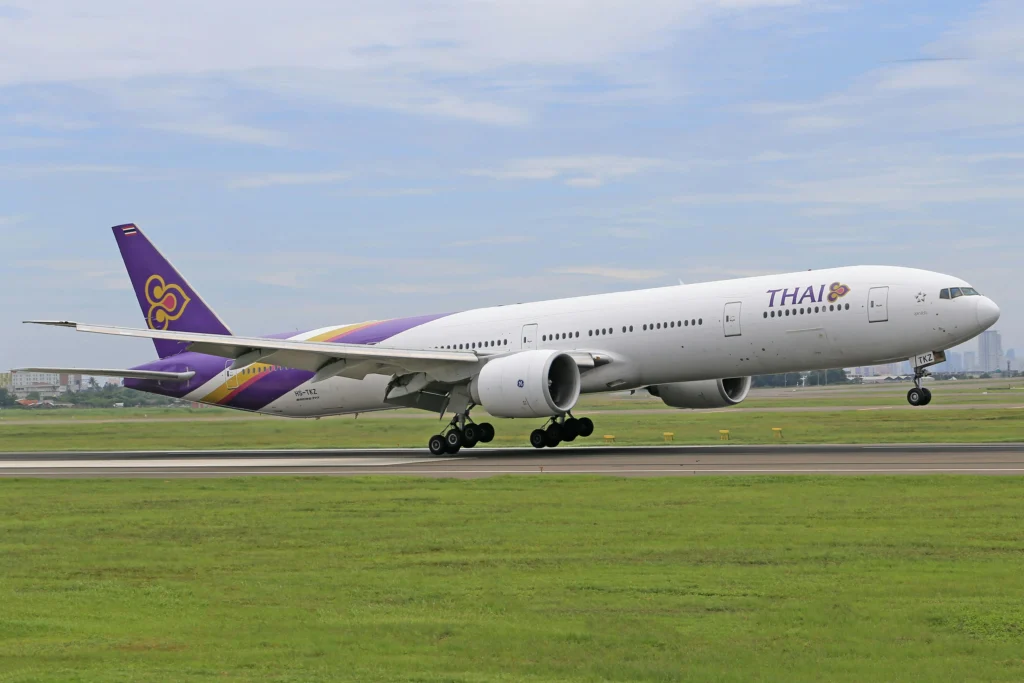
Thailand’s aviation and tourism sectors are witnessing a significant shift as Thai Airways International announces a steep increase in fuel surcharges across its network. Effective for tickets issued from May 1, 2026, the revised charges will apply to both regional and long-haul routes, reflecting mounting operational pressures linked to rising global fuel costs.
The airline confirmed that the surcharge adjustment is directly tied to the sharp escalation in jet fuel prices, which have surged dramatically in recent months. According to official airline statements, fuel costs have increased multiple times compared to earlier levels, making it necessary to revise pricing structures to sustain operations.
Fuel surcharges are a standard component of airline ticket pricing, designed to offset fluctuations in energy costs. With aviation fuel forming a major portion of airline expenses, sudden price spikes can significantly affect profitability. For Thai Airways, the decision to nearly double surcharges underscores the scale of the current cost pressures facing the global aviation industry.
The increase will impact a wide range of routes originating from Bangkok, including popular regional destinations such as Yangon, Beijing, and Delhi, as well as long-haul routes to Europe and Australia. On several routes, the surcharge has risen sharply in both economy and business class, adding a noticeable increment to overall ticket prices.
For example, short-haul regional services are seeing substantial increases, while medium-haul routes across Asia are experiencing even higher adjustments. Long-haul services, particularly to Europe and Australia, are witnessing the most significant hikes, reflecting the higher fuel consumption associated with extended flight durations.
From a tourism perspective, the move could influence travel patterns, especially among price-sensitive travelers. Thailand remains one of Asia’s leading tourist destinations, attracting millions of visitors each year through strong connectivity and diverse offerings ranging from beaches to cultural heritage sites. However, rising airfare costs may lead some travelers to reconsider their plans or seek alternative destinations.
Tourism authorities in Thailand have consistently highlighted the importance of maintaining accessibility and affordability to sustain visitor growth. While airlines must adapt to economic realities, the balance between operational viability and competitive pricing remains critical for the tourism sector.
The surcharge increase also comes at a time when Thai Airways has been adjusting its flight frequencies across domestic, regional, and intercontinental routes. These adjustments reflect broader industry trends, where airlines are aligning capacity with demand while managing rising costs and operational complexities.
For travelers, the timing of ticket issuance has become particularly important. Passengers who secured tickets before the end of April 2026 are not affected by the revised surcharges, even if their travel dates fall later. This has prompted many travelers to advance their bookings to lock in lower fares before the changes take effect.
The global aviation environment remains influenced by geopolitical developments and energy market fluctuations. Rising oil prices have had a cascading effect on aviation fuel costs, prompting airlines worldwide to review their pricing strategies. In this context, Thai Airways’ decision mirrors similar actions taken by carriers in other regions facing comparable challenges.
Despite these pressures, Thailand’s tourism outlook remains resilient. Government initiatives, promotional campaigns, and infrastructure development continue to support the country’s position as a major travel hub in Southeast Asia. Airports, hospitality providers, and tourism operators are working in tandem to ensure that the overall travel experience remains attractive to international visitors.
Bangkok, as the primary hub for Thai Airways, plays a central role in connecting travelers to destinations across Asia, Europe, and beyond. The city’s strategic location and extensive network make it a key gateway for both inbound and outbound tourism. Maintaining strong connectivity through airlines like Thai Airways is essential for sustaining this role.
The increase in fuel surcharges also highlights the broader relationship between energy markets and tourism. As fuel costs rise, airlines must adapt their pricing, which in turn affects travel demand and destination competitiveness. This interconnected dynamic underscores the importance of stable energy supplies and efficient aviation operations for the growth of global tourism.
For business travelers and premium passengers, the impact of higher surcharges may be less pronounced, but for leisure travelers, especially families and group travelers, the additional cost can be a significant factor. This could lead to shifts in travel timing, duration, or destination choice.
Industry experts suggest that airlines will continue to monitor fuel prices closely and adjust surcharges accordingly. If fuel costs stabilise or decline, there may be opportunities for airlines to revise pricing downward, potentially easing the burden on travelers.
In the meantime, travelers planning trips to and from Thailand are advised to stay informed about fare structures and book strategically. Flexibility in travel dates and early planning can help mitigate the impact of rising costs.
The decision by Thai Airways reflects a broader trend in the aviation sector, where carriers are navigating a complex landscape shaped by economic, operational, and geopolitical factors. While the increase in fuel surcharges presents challenges, it also underscores the resilience of the industry in adapting to changing conditions.
As global travel continues to evolve, the focus remains on ensuring safe, reliable, and efficient connectivity. For Thailand, maintaining its appeal as a top पर्यटन destination will depend on a combination of strong aviation networks, competitive pricing, and high-quality visitor experiences.