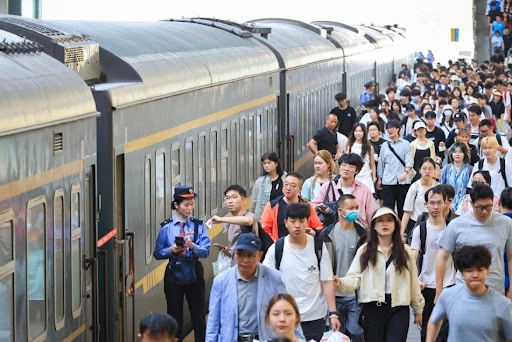
China’s annual May Day holiday travel wave is creating major pressure across Asia as millions of passengers take to trains, highways and airports between April 29 and May 6. The surge, one of the largest seasonal travel movements in the world, is driving heavy demand for international flights, hotel rooms, rail services and tourism attractions in nearby markets including South Korea, Malaysia, Thailand, Japan, Singapore, Kazakhstan and Myanmar. As outbound travel rebounds strongly, destinations across the region are racing to manage congestion while capturing valuable visitor spending.
Railways Brace for Massive Domestic Passenger Volumes
China’s rail network is expected to handle around 158 million passenger journeys during the holiday period, underlining the enormous scale of domestic mobility. High-speed rail routes, intercity corridors and long-distance services are all facing peak demand as travellers visit family, take short breaks and connect to airports for overseas trips.
The railway surge matters beyond China’s borders because domestic transport efficiency directly influences outbound tourism flows. When passengers move smoothly through the network, airports and border gateways across Asia can expect a faster influx of visitors. When bottlenecks emerge, delays quickly ripple through regional aviation schedules and travel plans.
South Korea Faces Airport and Tourism Hotspot Crowding
South Korea remains one of the most popular short-haul destinations for Chinese travellers, making it highly exposed during holiday peaks. Airports serving Seoul, Busan and Jeju are expected to see heavier passenger traffic, longer queues and pressure on airline operations.
Hotels, restaurants and attractions in key tourism zones could benefit from higher spending, but crowd management will be essential. Increased visitor numbers also place extra demand on public transport, language services and urban mobility systems, particularly in city centres where domestic and international tourism overlap.
Thailand and Malaysia Capture Demand but Struggle With Capacity
Thailand and Malaysia are among Southeast Asia’s biggest beneficiaries of Chinese tourism, yet both markets face familiar peak-season challenges. In Thailand, major gateways such as Bangkok and resort destinations including Phuket and Pattaya are likely to experience stronger hotel occupancy, higher airfares and heavier road traffic. Domestic transport links may also feel strain as visitors connect between beaches, islands and cultural cities.
Malaysia is seeing similar patterns, especially in Kuala Lumpur, Penang and Langkawi. Strong travel demand can support airlines, shopping districts and hospitality businesses, but accommodation shortages and urban congestion may affect the visitor experience if capacity is stretched too far.
Japan and Singapore Manage Premium Travel Demand
Japan continues to attract Chinese travellers seeking city breaks, shopping, cuisine and cultural attractions. Tokyo, Osaka and Kyoto are expected to remain key magnets during the holiday period, increasing pressure on flights, rail reservations and city hotels. Popular sites may see crowding, especially where domestic Japanese holiday demand overlaps with inbound arrivals.
Singapore, a leading aviation and leisure hub, is also preparing for elevated passenger numbers. Changi Airport, urban transport networks and headline attractions such as Marina Bay and Sentosa typically benefit from strong demand, but wait times and booking competition often rise during regional holiday peaks.
Central and Emerging Markets Feel the Ripple Effect
Kazakhstan and Myanmar illustrate how China’s holiday travel influence now reaches beyond traditional mass-tourism markets. Kazakhstan is seeing stronger cross-border interest, particularly on air and rail links connected to business and leisure travel. Border processing times and limited seat supply can quickly become pinch points when demand rises suddenly.
Myanmar, with a smaller tourism base, may experience sharper capacity pressure because available flights and hotel inventory are more limited. Even modest increases in visitor arrivals can significantly affect pricing, transport availability and room supply.
Why This Holiday Wave Matters for Global Tourism
The May Day rush highlights the growing importance of Chinese outbound tourism to regional economies. Airlines gain from fuller aircraft and higher yields, hotels benefit from stronger occupancy, retailers see more spending, and attractions welcome larger visitor volumes. For many destinations, holiday peaks can deliver a meaningful revenue boost in just one week.
At the same time, the travel wave exposes infrastructure gaps. Airports need faster processing, tourism boards need smarter visitor dispersal strategies, and hotels need flexible inventory management. Destinations that balance growth with service quality are more likely to win repeat visitors in the future.
Traveller Tips During the Peak Holiday Period
Travellers across Asia should book flights and hotels early, allow extra airport time and expect higher prices on last-minute bookings. Flexible itineraries can help avoid heavily congested dates and destinations. Rail reservations, attraction tickets and airport transfers should also be secured in advance where possible.
Those visiting popular cities may find better experiences by travelling early in the day, choosing weekday attractions or staying in secondary districts with strong transport links.
Asia’s Tourism Systems Tested by Record Mobility
China’s May Day travel rush is more than a domestic holiday movement. It is a regional stress test for aviation, railways, hotels and tourism infrastructure across Asia. From Seoul and Bangkok to Tokyo and Singapore, destinations are balancing operational pressure with major commercial opportunity. How well they respond could shape traveller confidence and tourism growth well beyond the holiday week.
For more travel news like this, keep reading Global Travel Wire