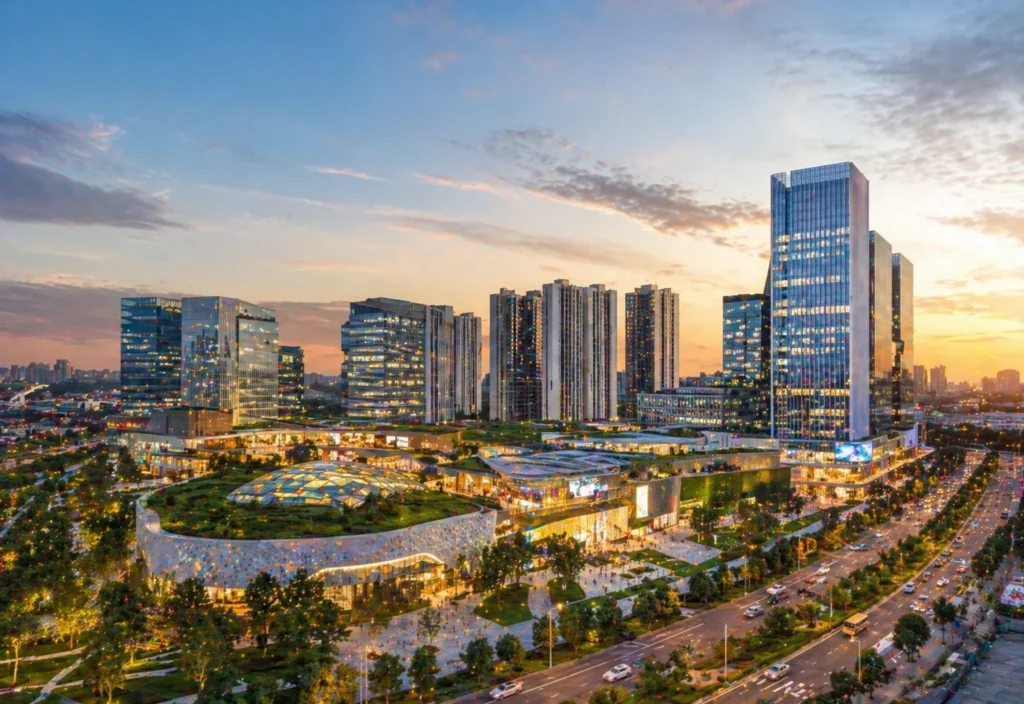
Bengaluru’s rapidly evolving urban landscape is poised for a significant transformation as Brigade Group partners with Bain Capital to develop a large-scale mixed-use project in the city’s Whitefield area. With an estimated investment of ₹2,200 crore, the development is expected to play a key role in strengthening Bengaluru’s tourism and hospitality ecosystem while enhancing its appeal as a global business destination.
The project, spanning approximately two million square feet, reflects a growing trend in urban tourism planning where integrated developments combine residential, commercial, and hospitality components. Such projects are increasingly seen as essential infrastructure to support rising travel demand, particularly in major metropolitan cities like Bengaluru.
Whitefield, one of Bengaluru’s most prominent technology and business hubs, has witnessed rapid growth in recent years. Its strategic location, connectivity to key transport corridors, and proximity to major IT parks make it an attractive destination for both business travelers and long-term visitors. Tourism authorities and urban planners have highlighted the importance of developing such areas to accommodate increasing visitor inflow and support economic growth.
The new mixed-use project is expected to include premium office spaces, residential units, retail zones, and hospitality offerings. This integrated approach aligns with broader government and industry initiatives aimed at creating self-sustained urban ecosystems that cater to diverse traveler needs. By combining workspaces with leisure and accommodation facilities, the development is likely to enhance the overall visitor experience.
In addition to this major project, Brigade Group has announced its collaboration with Primus Senior Living to expand its presence in the senior living segment. The planned launch of three senior living communities across Bengaluru and other South Indian markets reflects the growing demand for specialized housing solutions catering to aging populations and long-stay residents.
Two of these communities will be integrated within larger township developments, offering residents access to shared amenities and services. This model supports the concept of extended-stay tourism, where visitors seek comfortable, community-oriented living arrangements for longer durations. With over 600 units expected in the pipeline, the initiative represents a significant expansion of Brigade’s portfolio in this segment.
The company is also strengthening its hospitality footprint through a partnership with Hyatt. The collaboration includes plans for a beachfront luxury hotel in Chennai and serviced apartments in Bengaluru’s airport corridor. These projects are expected to enhance accommodation options for both leisure and business travelers, contributing to the region’s tourism growth.
Tourism officials in India have consistently emphasized the need for high-quality hospitality infrastructure to support increasing domestic and international travel. Developments such as serviced apartments and luxury hotels cater to a wide range of travelers, from short-term visitors to corporate professionals and expatriates.
The Chennai beachfront hotel project is particularly significant for coastal tourism, offering premium experiences that align with global hospitality standards. Meanwhile, the serviced apartments near Bengaluru’s airport are expected to address the needs of transit passengers and business travelers seeking convenient and comfortable stays.
The combined impact of these initiatives underscores a broader shift in the tourism and real estate sectors toward integrated development models. By bringing together residential, commercial, and hospitality elements, developers are creating environments that support seamless travel experiences and long-term economic sustainability.
Bengaluru’s position as a leading technology and innovation hub has already made it a key destination for business tourism. The addition of new mixed-use projects and hospitality ventures is expected to further strengthen this position, attracting a diverse range of visitors from across the globe.
Government policies and infrastructure investments have played a crucial role in enabling such developments. Improved connectivity through metro expansions, road networks, and airport facilities has enhanced accessibility, making Bengaluru more attractive to both investors and travelers.
Whitefield, in particular, has benefited from these improvements, emerging as a vibrant urban center with a strong mix of residential, commercial, and recreational spaces. The upcoming project by Brigade Group and Bain Capital is expected to build on this momentum, contributing to the area’s continued growth.
From a tourism perspective, integrated developments offer several advantages. They provide visitors with easy access to accommodation, dining, shopping, and entertainment within a single location. This convenience enhances the overall travel experience and encourages longer stays, which in turn supports local businesses and the economy.
The expansion of senior living communities also reflects changing travel patterns, where older travelers and retirees are increasingly seeking destinations that offer comfort, safety, and community engagement. Such developments can attract long-term visitors, adding a new dimension to the tourism sector.
As the project progresses, it is expected to generate employment opportunities across various sectors, including construction, hospitality, and retail. This aligns with broader economic goals of boosting job creation and supporting sustainable urban development.
Looking ahead, the collaboration between Brigade Group and Bain Capital highlights the growing role of private investment in shaping India’s tourism infrastructure. By leveraging global expertise and local market knowledge, such partnerships are driving innovation and enhancing the country’s competitiveness in the global tourism landscape.
The focus on mixed-use development, hospitality expansion, and specialized housing solutions reflects a comprehensive approach to urban growth. For Bengaluru, these initiatives represent a significant step toward becoming a more dynamic and inclusive destination for travelers, residents, and investors alike.
As tourism continues to evolve, projects like this will play a crucial role in defining the future of travel experiences in India. By integrating functionality, comfort, and accessibility, Bengaluru is positioning itself as a city that meets the diverse needs of modern travelers while supporting long-term economic development.