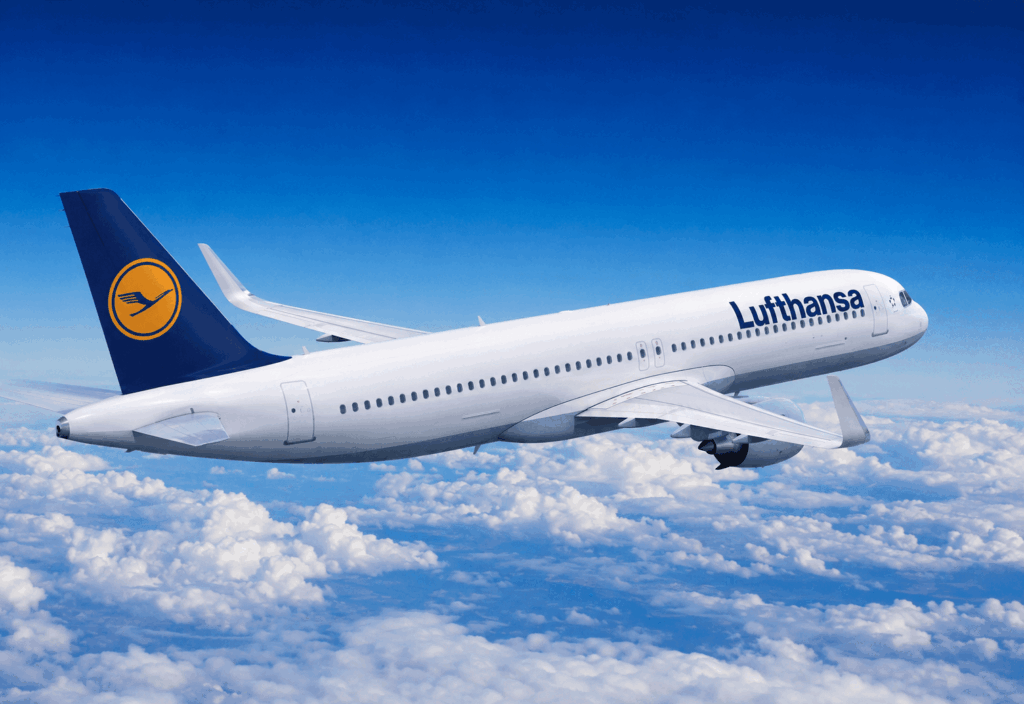
Lufthansa Group has reported encouraging financial progress in the first quarter of 2026, with its flagship carrier Lufthansa Airlines significantly reducing losses as the company continues its large-scale turnaround strategy. The positive results come despite rising fuel expenses, labour strikes, and ongoing operational pressures affecting the European aviation and tourism sectors.
The Germany-based airline group confirmed that strong travel demand and higher revenues have allowed it to maintain its full-year financial guidance for 2026. Company executives highlighted that improvements in operational efficiency, fleet restructuring, and commercial performance are helping stabilize the airline business during a volatile period for global aviation.
According to official statements released by Lufthansa Group leadership during its quarterly earnings presentation, Lufthansa Airlines reduced its adjusted operating loss by approximately 20% during the first three months of the year. The airline posted a loss of €443 million compared to a significantly larger deficit during the same period last year.
The wider Lufthansa Group also reported improved performance across its network airlines, reducing combined operating losses by €135 million in the quarter. Group Chief Executive Officer Carsten Spohr stated that the ongoing turnaround programme at Lufthansa Airlines is beginning to deliver measurable results after years of financial pressure following the pandemic.
Strong Passenger Demand Supports Aviation Recovery
The latest figures reflect continued strength in international tourism demand and air travel recovery across Europe and long-haul global markets. Lufthansa Group recorded an 8% increase in quarterly revenue, reaching €8.7 billion during the first quarter of 2026.
Company executives indicated that booking trends remain healthy for the upcoming travel season, particularly on long-haul international routes where travellers continue to prioritize premium and leisure travel experiences.
Lufthansa Group Chief Financial Officer Till Streichert said that second-quarter unit revenues are expected to remain considerably stronger than earlier forecasts, suggesting that customer demand remains resilient despite broader economic uncertainty.
The airline group also noted that long-haul bookings have been secured at favourable pricing levels, helping strengthen revenue visibility for the remainder of the year.
For the tourism industry, the positive revenue outlook from one of Europe’s largest airline groups signals continued consumer confidence in international travel. Lufthansa Group operates a major global network connecting Europe with destinations across North America, Asia, the Middle East, and Africa, making its performance an important indicator for the wider tourism market.
Fleet Modernisation and Operational Changes Reshape Lufthansa Network
As part of its long-term restructuring efforts, Lufthansa Group has accelerated major operational changes across its airline network. The company recently decided to remove Lufthansa CityLine’s fleet of 27 regional CRJ aircraft from active service in order to reduce operating costs and improve efficiency.
The move resulted in approximately 20,000 flights being removed from the summer schedule. However, Lufthansa stated that its multi-hub operating strategy helped minimize disruption to passengers and the broader route network.
According to company leadership, only four destinations were removed from Lufthansa’s network of around 300 destinations worldwide.
The restructuring also marks the completion of Lufthansa Group’s consolidation strategy within Germany’s airline market. The group now operates a more streamlined structure consisting of Lufthansa mainline operations, Eurowings, Discover Airlines, and Lufthansa City Airlines.
Executives explained that simplifying airline operations and reducing inefficient aircraft types are expected to generate long-term cost savings while improving operational flexibility.
The airline group also confirmed plans to retire additional long-haul aircraft later this year, including Lufthansa’s remaining Airbus A340-600 aircraft and selected Boeing 747-400 jets.
These fleet modernization efforts are part of Lufthansa Group’s broader sustainability and efficiency strategy aimed at lowering fuel consumption and improving profitability across its aviation network.
Strikes and Fuel Prices Continue to Pressure Airline Industry
Despite the improving revenue environment, Lufthansa Group acknowledged that rising fuel prices and labour disruptions continue to create major financial challenges for airlines across Europe.
Industrial action by pilots and cabin crew during the first quarter resulted in financial losses for Lufthansa Airlines. Additional strike activity in April further increased operational costs and disrupted flight schedules.
The company estimated that strike-related disruptions created a substantial negative financial impact during the first half of 2026.
At the same time, global fuel prices have emerged as one of the airline industry’s biggest concerns this year. Lufthansa Group expects its annual fuel bill to increase significantly despite maintaining extensive fuel hedging protections.
Executives described fuel expenses as the largest cost pressure facing the airline for the remainder of 2026. Rising aviation fuel prices have affected airlines worldwide, placing additional strain on operational budgets while carriers attempt to maintain competitive ticket pricing for travellers.
Even with these challenges, Lufthansa Group has decided to maintain its full-year earnings outlook. However, company leaders cautioned that financial flexibility has narrowed considerably due to the combination of fuel inflation and operational disruptions.
Lufthansa Cargo and Swiss Operations Deliver Positive Results
Several Lufthansa Group business units also contributed positively to the overall quarterly performance.
Swiss International Air Lines emerged as the group’s strongest passenger airline performer, posting a profit during the first quarter while several other network carriers remained loss-making.
Lufthansa Cargo also delivered a sharp increase in profits, benefiting from continued demand for international freight services and global supply chain recovery.
The group’s maintenance, repair, and overhaul division additionally generated strong earnings, helping offset losses from passenger airline operations.
Executives stated that the diversified structure of Lufthansa Group continues to provide resilience during periods of market uncertainty, allowing stronger-performing divisions to support weaker segments of the business.
As the global tourism and aviation sectors continue navigating economic volatility, Lufthansa Group’s latest results highlight both the opportunities and challenges shaping international air travel in 2026.