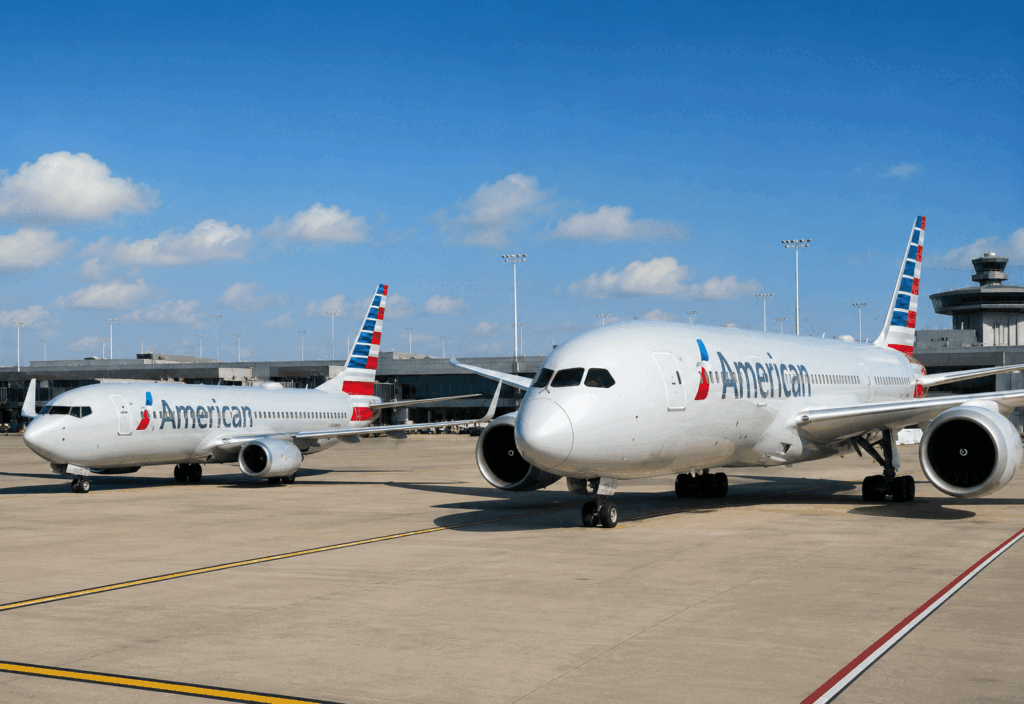
American Airlines continues to reinforce its position in the global aviation and tourism industry through long-term fleet modernization initiatives designed to improve operational efficiency, passenger comfort, and international connectivity. The airline’s strategic investment in next-generation aircraft highlights the growing importance of sustainable aviation and expanded travel capacity as tourism demand continues to rise worldwide.
The airline’s historic aircraft acquisition programme, involving major aircraft manufacturers Boeing and Airbus, marked one of the aviation industry’s largest commercial fleet agreements. The large-scale investment was aimed at replacing aging aircraft with more fuel-efficient models capable of supporting future travel growth while reducing operating costs and environmental impact.
The fleet modernization programme remains a key part of American Airlines’ long-term strategy to enhance travel experiences, strengthen route networks, and improve competitiveness across domestic and international tourism markets.
Industry officials stated that the airline’s decision to divide aircraft orders between Boeing and Airbus represented a significant milestone in global aviation manufacturing while creating new opportunities for expanded airline operations in North America and beyond.
Fuel-Efficient Aircraft Drive Sustainable Tourism Expansion
The aviation sector continues to focus heavily on sustainability and fuel efficiency as airlines respond to rising environmental expectations and evolving travel demand. American Airlines’ investment in modern aircraft technology reflects the broader industry shift toward cleaner and more efficient aviation operations.
New-generation aircraft included in the airline’s modernization plans were designed to reduce fuel consumption, lower emissions, and provide improved operational performance compared to older fleets. The introduction of advanced aircraft technology also supports the airline’s efforts to manage fuel costs while expanding passenger capacity on high-demand travel routes.
Tourism industry experts view fleet modernization as essential for maintaining reliable international connectivity while supporting sustainable tourism development. Fuel-efficient aircraft allow airlines to operate longer routes more economically, helping strengthen global tourism flows between major destinations.
American Airlines has continued to emphasize operational efficiency and environmental responsibility as important pillars of its future aviation strategy. The company’s aircraft renewal plans align with broader international aviation goals focused on sustainability, modernization, and improved passenger services.
Dallas-Fort Worth International Airport Remains Key Aviation Hub
Dallas-Fort Worth International Airport continues to serve as one of the most important aviation gateways in the United States and a major hub for American Airlines’ global operations. The airport plays a central role in connecting domestic travellers and international tourists to destinations across North America, Europe, Latin America, and Asia.
As one of the busiest airports in the world, DFW supports significant tourism and economic activity through its extensive route network and large passenger volumes. American Airlines’ operations at the airport remain critical to maintaining connectivity between key tourism markets and business destinations.
The airline’s fleet expansion and modernization strategy strengthens DFW’s role as a leading global aviation hub capable of handling growing passenger demand. Modern aircraft also enable airlines to improve scheduling flexibility and operational reliability, both of which are essential for international tourism growth.
Airport officials and airline executives have consistently highlighted the importance of infrastructure investment and advanced aviation technology in supporting future passenger growth across the region.
Aviation Industry Faces Competitive Transformation
The large-scale aircraft agreement between American Airlines, Boeing, and Airbus reflected growing competition within the global aviation manufacturing industry. By splitting aircraft orders between the two major manufacturers, American Airlines increased flexibility within its fleet strategy while encouraging competitive pricing and technological innovation.
The agreement also strengthened Airbus’ presence within the United States aviation market, traditionally dominated by Boeing aircraft. Industry analysts viewed the move as a significant development in the evolving competitive landscape of global commercial aviation.
For airlines, maintaining a modern and flexible fleet has become increasingly important as passenger expectations continue to evolve. Travellers are demanding greater comfort, improved onboard technology, enhanced fuel efficiency, and more reliable flight operations.
The tourism industry also benefits directly from airline modernization efforts, as newer aircraft often support expanded route networks, increased flight frequencies, and improved connectivity between emerging travel destinations.
Growing Tourism Demand Supports Airline Expansion
Global tourism recovery and rising travel demand continue to encourage airlines to invest heavily in aircraft upgrades and route expansion strategies. International tourism has shown strong momentum in recent years, driven by increased leisure travel, business tourism, and renewed demand for long-haul international experiences.
American Airlines’ fleet investment strategy positions the carrier to capitalize on growing travel demand while improving its ability to compete with other major international airlines.
Modern aircraft offer several advantages for tourism growth, including improved passenger comfort, quieter cabins, better fuel efficiency, and increased route flexibility. These factors contribute to a stronger overall travel experience for both domestic and international tourists.
The airline industry has increasingly focused on fleet renewal as a way to address both operational challenges and sustainability goals. Many carriers worldwide are replacing older aircraft with technologically advanced models capable of supporting long-term tourism expansion.
American Airlines’ modernization programme demonstrates how airlines are adapting to changing industry conditions while preparing for future growth opportunities in global tourism markets.
Future Aviation Investments Shape Tourism Industry Outlook
As airlines continue investing in advanced aircraft technology and sustainable operations, the future of international tourism is expected to become increasingly connected to aviation innovation. Fleet modernization programmes not only improve airline efficiency but also influence tourism accessibility, travel affordability, and destination development.
American Airlines’ continued focus on operational modernization reflects broader aviation industry trends aimed at improving resilience, reducing environmental impact, and supporting long-term travel growth.
Industry leaders believe that modern aircraft fleets will play a vital role in meeting future tourism demand as international travel volumes continue expanding. Improved aircraft performance and enhanced passenger experiences are expected to remain key priorities for airlines seeking to strengthen their global market positions.
With major aviation hubs such as Dallas-Fort Worth International Airport continuing to expand and airlines investing in next-generation fleets, the global tourism sector is positioned for continued growth supported by stronger international air connectivity and improved travel infrastructure.