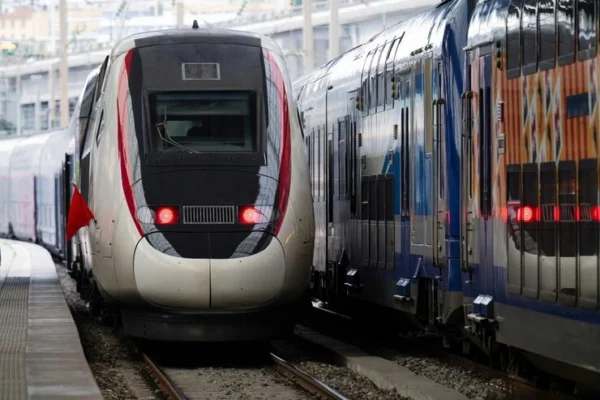
Rail passengers across northern England are being urged to prepare for significant travel disruptions as extensive engineering works begin between Huddersfield and Leeds under the United Kingdom’s major Transpennine Route Upgrade programme.
The large-scale infrastructure project is already causing delays, timetable changes, service reductions, diversions, and temporary suspensions across one of Britain’s busiest rail corridors, affecting commuters, tourists, business travelers, and international visitors moving through Yorkshire and the wider north of England.
The disruption forms part of the government-backed Transpennine Route Upgrade, a multi-billion-pound modernization initiative designed to improve capacity, speed, reliability, and sustainability across the critical east-west rail corridor linking Manchester, Huddersfield, Leeds, York, and surrounding regions.
Travel operators are strongly advising passengers to check schedules before departure, allow extra travel time, and prepare for replacement bus services and altered train connections throughout spring and early summer.
Transpennine Route Upgrade Marks One of Britain’s Largest Rail Modernization Projects
The engineering work underway between Huddersfield and Leeds represents a major phase of the broader Transpennine Route Upgrade, one of the UK’s largest rail infrastructure investments currently in progress.
The project aims to modernize aging Victorian-era rail infrastructure that has struggled to meet increasing passenger demand and freight traffic volumes across northern England.
Upgrades include track realignment, digital signaling installation, electrification preparation, station improvements, and expanded rail capacity designed to support faster and more frequent train services in the future.
Network modernization efforts are focused on improving operational efficiency while reducing long-term congestion and delays on one of Britain’s most strategically important intercity rail routes.
Many sections of the route currently operate on infrastructure originally built in the nineteenth century, making extensive engineering interventions necessary to accommodate modern transportation requirements.
Train Services Reduced Across Huddersfield and Leeds Corridor
The current phase of works has resulted in widespread operational changes across the Huddersfield–Leeds section of the Transpennine line.
On certain weekends, trains are bypassing Huddersfield entirely, while weekday schedules have been significantly reduced to allow engineering teams access to tracks and infrastructure.
Passengers are increasingly relying on rail replacement buses and alternative connections through intermediary stations including Mirfield and Brighouse.
For regular commuters traveling between Leeds and Huddersfield, the changes have introduced longer journey times, increased complexity, and reduced schedule flexibility.
Students, office workers, and business travelers who previously relied on direct and frequent rail services are now being required to adjust commuting patterns and allow significantly more time for travel.
Rail operators continue encouraging travelers to monitor live updates and revised timetables due to ongoing operational changes throughout the construction period.
Northern England Tourism Sector Watches Closely
The disruption is also drawing attention from the tourism industry as northern England prepares for busy spring and summer travel periods.
The Huddersfield–Leeds corridor plays a critical role in regional tourism by linking visitors to destinations including the Yorkshire Dales, Manchester, York, and several heritage and cultural attractions across northern England.
International travelers frequently use the Transpennine network as part of broader UK rail itineraries connecting major cities and countryside destinations.
Disruptions affecting key regional lines can influence visitor behavior, potentially shifting travelers toward alternative transportation methods such as coaches, rental vehicles, or direct long-distance rail routes from Manchester and London.
Tourism professionals note that while infrastructure upgrades create short-term inconvenience, improved rail services ultimately strengthen regional tourism competitiveness by offering faster and more sustainable travel options.
Enhanced future connectivity is expected to support tourism growth across Yorkshire and neighboring regions once modernization work is completed.
Infrastructure Improvements Aim to Deliver Faster and Greener Rail Travel
The Transpennine Route Upgrade forms part of the UK’s wider transportation modernization strategy focused on reducing carbon emissions and encouraging greater public transport use.
Rail infrastructure investment remains central to national decarbonization efforts as governments seek to reduce dependence on cars and short-haul domestic flights.
Electrification and digital signaling upgrades are expected to improve energy efficiency while supporting faster, more reliable train operations across northern England.
Transport planners believe expanded rail capacity could help ease road congestion while strengthening economic links between major urban centers including Manchester, Leeds, Sheffield, and York.
The modernization programme also aligns with broader goals to improve economic productivity across northern England by supporting business travel, labor mobility, freight efficiency, and regional investment.
Local Communities Experience Mixed Reactions
Communities located along the affected corridor have responded with mixed feelings toward the ongoing disruptions.
Many commuters and local residents have expressed frustration over reduced service frequency, complicated transfers, and longer travel times resulting from replacement bus services and route diversions.
Passengers traveling through stations including Deighton and Slaithwaite have been especially impacted by schedule adjustments and altered stopping patterns.
At the same time, many residents acknowledge the long-term importance of upgrading the aging rail network to improve future reliability and passenger experience.
Local businesses located near stations and commuter corridors are also monitoring the situation closely as fluctuations in passenger traffic could temporarily affect customer activity and footfall.
Rail Operators Emphasize Long-Term Benefits Despite Short-Term Disruption
Rail operators and infrastructure authorities continue emphasizing that the current disruptions are necessary to deliver long-term improvements across the northern rail network.
The completed upgrade is expected to provide faster journey times, increased train frequency, greater reliability, and modernized passenger facilities throughout the region.
Future infrastructure enhancements are also expected to support additional electric train operations and improved operational resilience across the Transpennine corridor.
Transport officials describe the project as a major step toward bringing northern England’s rail infrastructure closer to modern European rail standards.
Britain’s Rail Transformation Continues Into the Late 2020s
The current phase of disruption between Huddersfield and Leeds represents only part of a wider modernization programme expected to continue into the late 2020s.
Further engineering interventions, electrification projects, station upgrades, and signaling improvements are planned across the Transpennine corridor over the coming years.
For travelers, commuters, and the tourism sector, the works symbolize a broader transformation of Britain’s railway system aimed at delivering a more connected, sustainable, and efficient transport network.
As northern England navigates months of engineering activity and travel disruption, the long-term objective remains clear: reshaping one of the UK’s most important rail corridors to meet the demands of modern travel, economic growth, and sustainable mobility in the decades ahead.
For more travel news like this, keep reading Global Travel Wire