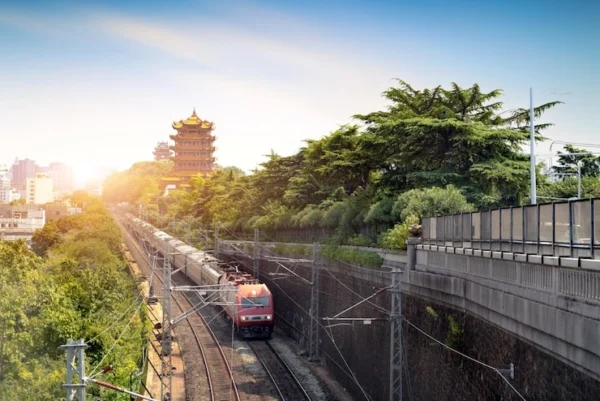
China’s railway network has recorded one of the busiest holiday travel periods in its history as millions of passengers moved between major cities during the country’s five-day May Day holiday break, reinforcing the nation’s position as one of the world’s largest and most active rail travel markets.
The unprecedented travel surge reflects soaring domestic tourism demand, large-scale family reunions, and growing reliance on high-speed rail services connecting China’s major urban centers.
Key destinations including Beijing, Shanghai, Guangzhou, Chengdu, and Shenzhen experienced exceptionally strong intercity passenger movement as travelers took advantage of the extended public holiday period for leisure trips, cultural tourism, and short-distance regional travel.
Railway authorities confirmed that total passenger journeys surpassed the 100 million mark during the holiday window ending on May 5, 2026, making it one of the most intense travel periods seen on China’s rail network in recent years.
Passenger Volumes Reach Record Levels Across China
China’s rail system handled extraordinary passenger traffic throughout the holiday period as demand remained consistently high from the start of the break through the final return-travel rush.
By May 4, cumulative passenger journeys had already reached approximately 117 million trips even before final-day statistics were fully completed.
The strongest travel day occurred on May 1, when railway stations across China processed approximately 24.8 million passenger journeys in a single day, setting a new holiday travel record for the national rail network.
The sustained passenger flow demonstrated how deeply integrated rail transport has become within China’s domestic tourism and mobility infrastructure.
Unlike traditional holiday surges concentrated only at departure and return peaks, travel demand remained elevated continuously throughout the five-day period as travelers moved frequently between regions.
High-Speed Rail Drives Massive Intercity Mobility
China’s extensive high-speed rail system played a critical role in managing the enormous increase in intercity travel demand.
The country’s rapidly expanding rail infrastructure enabled millions of travelers to move efficiently between major economic centers and tourism destinations while reducing pressure on highways and airports.
Cities including Beijing, Shanghai, Guangzhou, Chengdu, and Shenzhen ranked among the most searched and heavily traveled destinations due to their strong transport connectivity, tourism appeal, and economic significance.
The popularity of these urban hubs reflects wider domestic tourism trends where travelers increasingly favor short-to-medium-distance city breaks accessible through fast and convenient rail services.
China’s high-speed rail system has transformed domestic travel patterns over the past decade by dramatically reducing journey times between major metropolitan areas.
The convenience and affordability of rail travel continue driving passenger growth, especially during major national holidays when millions of residents travel simultaneously.
Railway Operators Deploy Thousands of Additional Train Services
To accommodate the massive passenger surge, railway operators introduced more than 2,000 additional train services across key corridors during the holiday period.
Extra trains were deployed strategically to reduce congestion on heavily traveled routes and improve passenger distribution throughout the network.
Authorities also increased service frequency on major intercity corridors while implementing enhanced operational coordination to maintain punctuality and safety standards despite unprecedented travel volumes.
On the final day of the holiday period alone, officials projected approximately 23 million additional passenger journeys as travelers returned home or resumed work schedules following the break.
Thousands of additional services were scheduled specifically to manage the intense return-travel demand and minimize overcrowding at major stations.
Transport planners credited improved scheduling systems, digital ticketing infrastructure, and advanced operational management for helping maintain stable rail operations throughout the holiday surge.
Domestic Tourism Continues Fueling National Mobility Growth
The extraordinary rise in rail travel highlights the continued strength of China’s domestic tourism market as travelers increasingly explore destinations within the country.
Holidaymakers traveled for a variety of reasons including family reunions, cultural tourism, urban sightseeing, shopping, leisure escapes, and regional entertainment experiences.
Major cities such as Shanghai and Beijing remained especially attractive due to their concentration of landmarks, retail districts, transportation infrastructure, and tourism attractions.
At the same time, rapidly developing cities like Chengdu and Shenzhen continued attracting strong visitor numbers through food tourism, business activity, technology industries, and cultural experiences.
Industry observers believe China’s domestic travel market will continue expanding strongly as rising incomes, improved transport infrastructure, and flexible travel habits encourage more frequent intercity movement.
China’s Wider Transport Network Also Sees Massive Holiday Demand
The rail surge formed part of a broader nationwide transportation boom during the May Day holiday period.
Authorities estimated that total cross-regional mobility across all transport systems reached approximately 1.52 billion trips during the five-day holiday window.
Road transportation accounted for a significant share of this movement as millions of travelers used private vehicles and long-distance buses to access nearby tourism destinations.
Major highways experienced heavy congestion throughout the holiday period, particularly on routes connecting major cities with popular tourist regions and coastal destinations.
China’s aviation and water transport sectors also reported increased passenger activity, further demonstrating the scale of nationwide mobility during one of the country’s busiest annual travel periods.
Rail Infrastructure Strengthens China’s Tourism and Economic Connectivity
The performance of China’s railway network during the May Day break underscores the strategic importance of rail infrastructure within the country’s broader economic and tourism development plans.
High-speed rail continues serving as a critical driver of regional integration by supporting tourism growth, labor mobility, business travel, and consumer spending across urban and regional markets.
The system’s ability to handle enormous passenger volumes efficiently has become a defining feature of China’s domestic transportation model.
Transport analysts note that continued expansion of rail infrastructure will remain essential as domestic travel demand grows further during future holiday periods and peak tourism seasons.
China Reinforces Its Position as a Global Rail Travel Leader
China’s latest holiday rail travel surge further strengthens the country’s status as one of the world’s most advanced and heavily utilized rail transportation markets.
The combination of extensive high-speed connectivity, strong domestic tourism demand, and large-scale operational coordination has enabled the country to manage one of the largest seasonal travel movements globally.
As passenger demand continues rising and infrastructure investments expand, China’s railway network is expected to play an even more central role in shaping the future of national mobility, tourism growth, and intercity transportation across the country.
For more travel news like this, keep reading Global Travel Wire