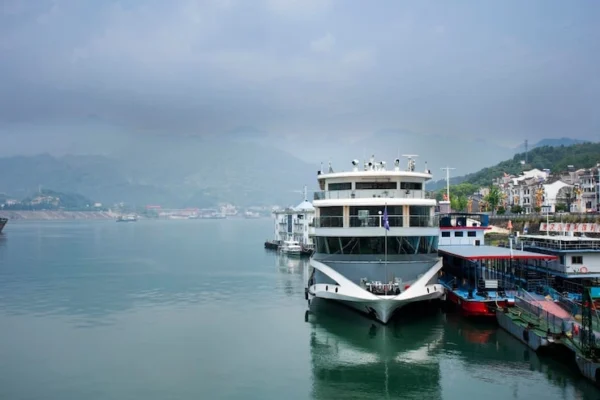
China’s regional cruise industry is facing mounting pressure as multiple cruise vessels remain laid up in Beihai, Zhoushan, and Dalian amid weak passenger demand, rising operational costs, and financial instability affecting parts of the Northeast Asian cruise market. The prolonged inactivity of the Blue Dream Melody, Blue Dream Star, and Chinese Taishan highlights growing challenges for domestic cruise tourism across China and surrounding maritime regions.
The situation comes despite broader global tourism recovery trends and continued growth in international luxury cruising. Industry analysts say China’s regional cruise sector is struggling to adapt to changing traveler preferences, stronger competition from international operators, and evolving tourism demand patterns across Asia.
Cruise ports including Beihai, Zhoushan, and Dalian are closely monitoring developments as prolonged vessel inactivity could impact tourism revenue, hospitality businesses, and local maritime economies dependent on cruise-related activity.
Blue Dream Melody Suspends Operations in Beihai
The 1,218-passenger Blue Dream Melody was withdrawn from service from its Beihai homeport on January 4, 2026.
Blue Dream Cruises initially attributed the suspension to operational adjustments, maintenance work, and technical upgrades. However, industry reports later suggested that weak booking demand on South Korea-focused cruise itineraries significantly contributed to the vessel’s operational difficulties.
The ship’s problems intensified in February 2026 when reports emerged that the vessel had been arrested in Beihai over approximately USD 600,000 in unpaid fuel bills.
The legal and financial dispute raised further concerns about the long-term stability of the operator and highlighted increasing financial pressure facing smaller regional cruise companies in Asia.
Blue Dream Cruises Seeks Buyers for Fleet
Shanghai Blue Dream International Cruise Co., Ltd. is reportedly seeking buyers for both Blue Dream vessels while reducing shore-based operations.
The company had previously shifted operational focus toward the larger Blue Dream Melody while removing the smaller Blue Dream Star from active service in late 2024.
Currently, Blue Dream Melody remains laid up in Beihai, while Blue Dream Star is inactive in Zhoushan. Meanwhile, the Chinese Taishan continues anchored off Dalian as its owner evaluates potential sale options.
Industry observers say the company’s restructuring efforts reflect wider challenges within China’s domestic cruise sector, particularly for operators relying heavily on short regional itineraries.
Russian Far East Expansion Plans Collapse
At one point, regional media reports suggested Blue Dream Melody could be redeployed to support cruise tourism in Russia’s Far East.
Potential itineraries were reportedly being explored linking Northeast Asian tourism markets and maritime routes across the Russian Far East region. However, subsequent reports indicated the proposed acquisition and deployment plans collapsed due to funding difficulties.
The failed transaction demonstrates the financial risks associated with acquiring and operating older cruise vessels in today’s highly competitive market environment.
Analysts say rising operational expenses and uncertain passenger demand are making fleet investments increasingly difficult for smaller operators throughout the region.
Chinese Taishan Remains Anchored Near Dalian
The 832-passenger Chinese Taishan, owned by Bohai Ferry, continues to remain inactive near Dalian.
The vessel, which shares similarities with the Blue Dream Star, has faced many of the same market pressures impacting China’s regional cruise sector.
In March 2026, Bohai Ferry launched another attempt to sell the ship with a reported asking price of approximately USD 23 million — nearly half of its original acquisition value from 2014.
The decline in valuation reflects weaker market demand for aging cruise vessels operating on limited regional routes across Asia.
South Korea Cruise Routes Lose Momentum
One of the biggest challenges affecting operators has been declining demand for South Korea-focused itineraries.
Cruise tourism between China and South Korea previously represented a major segment of Northeast Asian maritime travel. However, changing traveler behavior and shifting tourism trends have reduced passenger volumes on several traditional regional cruise routes.
Travel analysts note that many consumers are increasingly prioritizing international long-haul vacations, premium cruise experiences, and destination-intensive travel over shorter regional itineraries.
The changing demand patterns are placing additional pressure on operators dependent on traditional Northeast Asian cruise circuits.
China’s Cruise Sector Faces Structural Challenges
Beyond short-term operational setbacks, industry experts say China’s regional cruise market is dealing with broader structural issues.
These include rising fuel and maintenance costs, aging vessel fleets, limited route diversity, growing competition from international cruise brands, and inconsistent passenger demand across domestic tourism markets.
Many operators are now facing pressure to modernize fleets, diversify itineraries, strengthen international partnerships, and improve onboard experiences to remain competitive.
At the same time, global cruise operators are increasingly investing in luxury expedition voyages, premium small-ship experiences, sustainable cruise technologies, and long-haul international itineraries.
This evolution is reshaping consumer expectations and increasing competitive pressure on regional operators using older ships and limited route networks.
Cruise Tourism Still Vital for Coastal Economies
Despite the current difficulties, cruise tourism continues playing an important role for several coastal economies across China.
Ports such as Beihai, Zhoushan, and Dalian benefit from cruise-related spending linked to hotels, restaurants, excursions, transportation services, and maritime operations.
Local tourism officials and businesses are closely watching the future deployment, sale, or restructuring of the laid-up vessels as regional tourism recovery efforts continue.
Industry analysts believe the long-term recovery of China’s domestic cruise market will depend heavily on fleet modernization, stronger tourism marketing, diversified itineraries, and renewed consumer confidence in regional maritime travel.
As operators continue evaluating restructuring plans and potential vessel sales, the fate of the Blue Dream Melody, Blue Dream Star, and Chinese Taishan is becoming a symbol of the wider transformation taking place across Asia’s evolving cruise tourism industry.
For more travel news like this, keep reading Global Travel Wire