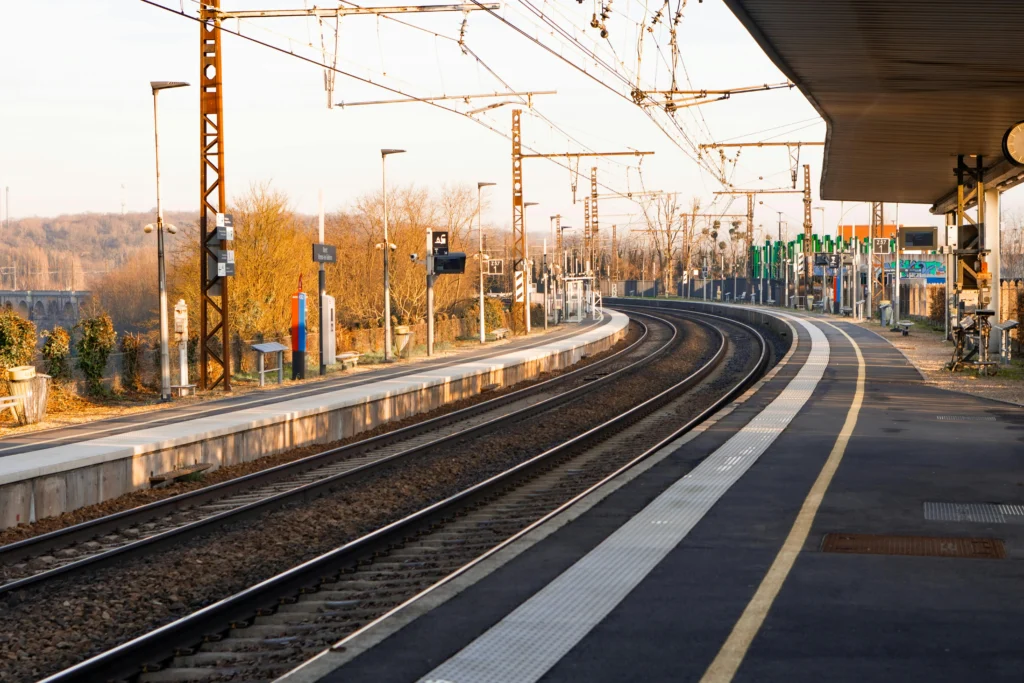
The iconic image of French rail travel has long been defined by the sleek, high-speed lines of the TGV, sweeping passengers between major metropolitan hubs at blistering speeds. Yet, for global tourists seeking a deeper, more immersive connection with the French countryside, an entirely different rail network is quietly stepping into the spotlight. France‘s conventional long-distance rail network—officially designated as the Trains d’Équilibre du Territoire (TET) and commercially branded as Intercités—is undergoing a massive, state-backed modernization program that promises to redefine sustainable slow tourism across Europe.
According to performance reviews validated by the French Ministry of Transport and national operator SNCF Voyageurs, the Intercités network has experienced a profound renaissance. Serving more than 150 stations daily, the lines carried 12 million annual travelers, generating an annual turnover of €670 million. By connecting the capital to deep regional valleys, historic medieval towns, and rugged coastal regions, these conventional daytime and night trains are transitioning from traditional transit lines into vital lifelines for eco-conscious international exploration.
A Breath of Fresh Air: The Arrival of the Oxygène Fleet
The centerpiece of this nationwide rail renewal is the introduction of a cutting-edge fleet of articulated multiple-unit trains, officially named “Oxygène.” Fully underwritten by a €1.35 billion investment from the French national government, these next-generation trains are designed to replace the charming but aging classic locomotive-hauled carriages that have defined regional routes for decades.
Built by train manufacturer CAF, the initial rollout introduces 28 sleek trainsets specifically engineered for two of France’s most culturally rich classic travel corridors: the 419-kilometer line connecting Paris to the volcanic landscapes of Clermont-Ferrand, and the historic 715-kilometer “POLT” route stretching from Paris through Orléans and Limoges to the gastronomic hub of Toulouse. An additional 22 trains have been ordered to modernize the spectacular southern cross-country route linking the vineyards of Bordeaux to the Mediterranean shores of Marseille.
For the international tourist, the Oxygène fleet represents a significant upgrade in onboard comfort. Moving away from standard cabin layouts, these 188-meter-long trains feature 420 ergonomically designed seats utilizing premium blue and red moquette textiles. The interior architecture prioritizes the passenger experience with integrated USB and power sockets, digital reservation displays, and advanced workspace tables.
Recognizing the booming global trend of active outdoor vacations, Car 5 of each trainset features dedicated bicycle storage spaces alongside a redesigned trolley catering service, allowing travelers to sample regional French refreshments while gazing through wide panoramic windows. Furthermore, the trains feature advanced sliding-plug doors engineered to minimize cabin pressure changes when passing counter-traffic at speeds up to 200 kilometers per hour, ensuring a peaceful, whisper-quiet journey.
Focus Keyword: Sustainable Rail Travel and the Revival of the Night Train
The structural overhaul of the French rail ecosystem aligns perfectly with a massive shift in global travel behavior, where contemporary tourists are actively choosing sustainable rail travel over carbon-intensive short-haul flights. This environmental consciousness has sparked a spectacular “return to grace” for France’s legendary overnight train network.
Currently, seven distinct domestic night train routes continue to operate, weaving beneath the stars to connect Paris with distant, pristine destinations such as Nice, Briançon, Rodez, and the Pyrenean border town of Latour-de-Carol. Despite operating with legacy rolling stock, these nocturnal journeys registered an exceptional 75% occupancy rate, proving that travelers highly value the efficiency of falling asleep in the capital and waking up refreshed at the foot of the Alps or the Mediterranean coast.
To guarantee the long-term viability of this romantic travel segment, the French government has launched a major international tender for 180 brand-new night train coaches and 30 specialized locomotives. Utilizing an innovative Rolling Stock Company (ROSCO) financing model, the state aims to deploy the first wave of these ultra-modern sleeper trainsets on the scenic Paris-to-Briançon route by December 2029. This timeline is strategically calculated to welcome the influx of global winter sports enthusiasts ahead of the 2030 Winter Olympics, anchoring sustainable tourism at the heart of the international games.
Opening the Gates to Regional Explorations and Simplified Ticketing
As part of European transport liberalization directives, the French state is systematically introducing competitive tendering to diversify its rail offerings. The first successfully awarded contract covers the scenic cross-country routes linking Nantes to Lyon and Bordeaux. The winning ten-year, €924 million contract introduces a dedicated regional subsidiary based in the Loire Valley, which will scale up flight-alternative train frequencies to five daily return trips.
To make these expanded regional networks effortlessly accessible to international visitors, the Ministry of Transport has partnered with tech specialist Wiremind to deploy a unified digital distribution platform known as GITE. Scheduled to launch in December 2026, this system will serve as a neutral booking backbone, integrating multiple rail operators into a single, seamless ticketing interface.
For global travelers, this digital upgrade eliminates the friction of navigating fragmented regional booking portals. Combined with a simplified, capped fare structure and innovative onboard amenities—such as the introduction of filtered drinking water fountains—exploring the historic châteaux, hidden vineyards, and spectacular coastlines of regional France via sustainable rail travel has never been more alluring, comfortable, or uncompromised.
For more travel news like this, keep reading Global Travel Wire