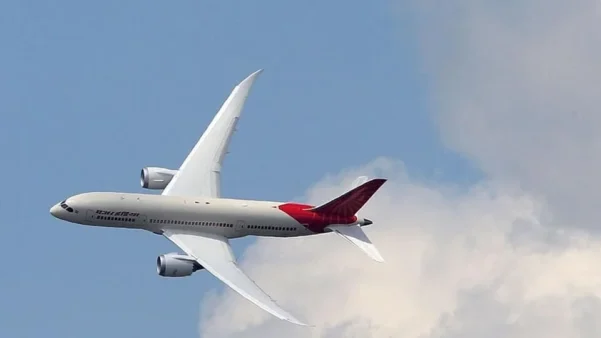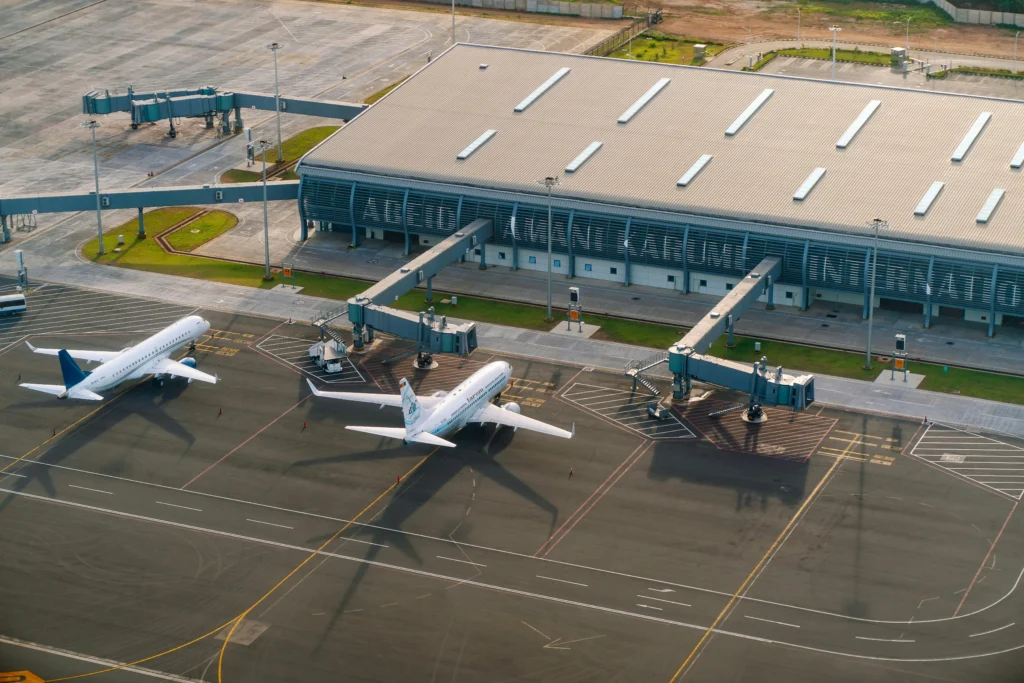
Aviation authorities and terminal operations teams at Sharjah International Airport are actively executing dynamic scheduling adjustments following a series of localized flight modifications. In an official update concerning regional traffic flows, low-cost carrier Air Arabia implemented targeted cancellations and delays on several short-haul and transcontinental operations, heavily impacting transit paths to destinations including Doha, Karachi, Hyderabad, Phuket, and Kuala Lumpur.
According to operational data from the Sharjah Airport Authority, a combined total of five scheduled departures faced strategic cancellations, while an additional 26 regional flights experienced varied timing adjustments. The adjustments briefly increased terminal-side traffic, generating longer passenger service lines and gate congestion during peak transition hours.
Official statements from the General Civil Aviation Authority emphasize that high-density aviation hubs across the United Arab Emirates frequently deploy these tactical scheduling updates to preserve broader network integrity. By monitoring fleet rotations and adjusting gate allocations in distinct phases, terminal managers can effectively absorb localized backlogs without causing long-term structural bottlenecks across the nation’s wider transportation network.
Targeted Network Reconfigurations Across Capital Corridors
The temporary scheduling revisions impacted specific capital gateways with varying degrees of operational intensity:
Levant Routes: Direct flights serving Damascus experienced immediate schedule consolidations, with two departures paused as part of real-time route optimization.
Capital and Regional Hubs: Select rotations connecting the Gulf to international gateways such as Athens, Istanbul, Sialkot, Bengaluru, Cochin, and Bangkok faced temporary schedule freezes, requiring rapid ground-team interventions to reroute affected transit passengers.
South Asian Corridors: High-volume routes connecting the United Arab Emirates with major airports in India and Pakistan, including Delhi and Dhaka, experienced partial operational delays ranging from minor schedule shifts to complete route adjustments for specific flight numbers.
To support international vacationers traveling along the highly popular Southeast Asian corridors, including routes to Phuket and Kuala Lumpur, the airline’s customer service teams are directly engaging with family travel groups and long-haul transit passengers. Ground handlers at the main terminals are prioritizing fast-track rebooking procedures to ensure that long-haul travelers can secure alternative flight options with minimal impact on their holiday itineraries.
Strategic Cooperation on Service Level Standards
This operational response aligns with a newly established framework focused on upgrading the transit environment during high-traffic periods. The Sharjah Airport Authority recently finalized a comprehensive Memorandum of Understanding on service level standards with the Federal Authority for Identity, Citizenship, Customs and Port Security.
This strategic institutional partnership guarantees the continuous readiness of human resources around the clock. The joint initiative is designed specifically to optimize passport control operations and implement proactive management strategies during sudden peak traffic periods. By integrating the efforts of customs authorities, airport staff, and airline partners into a single cohesive system, the facility can rapidly accelerate security screenings and passenger procedures when unexpected flight delays accumulate.
Furthermore, the Department of Civil Aviation recently completed a specialized regulatory agreement to strengthen the local aviation security system. Through advanced training frameworks implemented in collaboration with regional civil authorities, the hub ensures that terminal personnel utilize the latest digital technologies to expedite passenger flows safely during temporary operational challenges.
Official Carrier Accommodation and Rebooking Policies
In response to the scheduling modifications, Air Arabia has issued clear guidelines outlining passenger rights and flexible rebooking options. Because commercial flight paths across the Middle East and South Asia operate under localized carriage terms rather than European standard frameworks, the carrier has instituted specific customer-first remedies to protect traveler investments.
Passengers affected by the recent flight cancellations are officially eligible to select one free date modification for their itinerary. Alternatively, travelers can request a full financial refund or opt to receive a full credit voucher valid for use within 30 days of the disrupted schedule. The airline’s digital platforms and mobile applications are running continuous updates, allowing passengers to execute these changes seamlessly without waiting in physical airport queues.
Vital Advice for Transcontinental Holidaymakers
To navigate regional air traffic adjustments smoothly, the UAE General Civil Aviation Authority and regional tourism boards recommend the following actions for all inbound and outbound travelers:
Enable Digital Notifications: Maintain active communication channels by updating personal contact information within airline mobile apps to receive real-time schedule alerts.
Verify Flight Status Remotely: Passengers are strongly advised to confirm their flight’s departure status via the official airport directory or direct carrier portals prior to departing for the terminal.
Utilize Integrated Services: For complex multi-city transits, explore coordinated partner networks and adjacent regional hubs to secure seamless connection windows.
Request Delay Documentation: In the event of an extended schedule shift, passengers should secure an official stamped delay certificate from terminal customer desks to streamline any subsequent travel protection claims.
The rapid implementation of passenger coordination protocols at Sharjah International Airport highlights the fundamental resilience of the region’s tourism infrastructure. Through robust institutional partnerships, enhanced digital tracking systems, and flexible airline policies, the gateway continues to safeguard its position as a reliable and progressive global transit hub.
For more travel news like this, keep reading Global Travel Wire