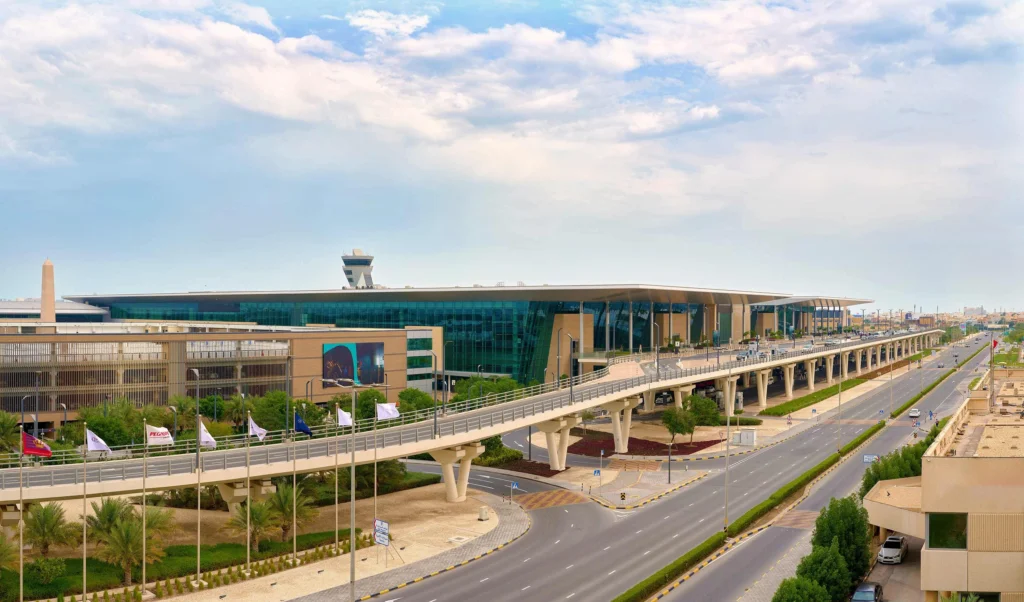
Bahrain International Airport is facing renewed operational disruption after multiple regional flights operated by Flydubai, Air Arabia Abu Dhabi, and EgyptAir were cancelled across two consecutive days, disrupting passenger travel between Bahrain and key Middle Eastern hubs including Dubai, Sharjah, and Cairo.
A total of six scheduled departures were affected during the disruption period, creating delays and uncertainty for travelers relying on Gulf transit connections and regional air travel. The cancellations impacted some of the busiest short-haul routes in the region, particularly services linking Bahrain with Dubai International Airport and Sharjah International Airport.
Multiple Gulf and North Africa Routes Suspended
The cancelled services included flights operated using Airbus A320, Airbus A321, Boeing 737-800, and Boeing 737 MAX 8 aircraft. Flights affected included consecutive Air Arabia Abu Dhabi services to Sharjah, multiple Flydubai departures to Dubai, and an EgyptAir overnight flight to Cairo.
Among the disrupted departures were:
- Air Arabia Abu Dhabi flight ABY106 from Bahrain to Sharjah cancelled on both Wednesday and Thursday
- Flydubai flights FDB24, FDB22, and FDB82 from Bahrain to Dubai cancelled over the two-day period
- EgyptAir flight MSR921 from Bahrain to Cairo cancelled during the early hours of Wednesday
The repeated cancellations across multiple airlines raised concerns among passengers and industry observers about broader operational pressures affecting regional aviation networks.
Dubai Route Disruptions Impact Regional and International Connections
The Bahrain–Dubai air corridor remains one of the Gulf region’s most heavily traveled routes, carrying a mix of business travelers, tourists, transit passengers, and visiting friends and relatives traffic. Disruptions on these services often have wider implications because many passengers connect onward through Dubai International Airport to long-haul destinations across Europe, Asia, Africa, and North America.
Travelers affected by the cancellations likely encountered rebooking challenges, extended airport waiting times, and missed international connections, particularly during busy peak-hour operations.
Airlines operating Gulf hub routes typically maintain tightly coordinated schedules, meaning even short operational disruptions can quickly cascade through wider regional and international networks.
Consecutive Flydubai Cancellations Raise Operational Questions
The multiple Flydubai cancellations attracted particular attention because several flights on the same Bahrain–Dubai route were cancelled within a short timeframe. Both Boeing 737-800 and Boeing 737 MAX 8 aircraft operating the route were affected during the disruption period.
Aviation analysts note that repeated cancellations on regional sectors can stem from several operational factors, including aircraft rotation adjustments, fleet availability issues, crew scheduling limitations, airspace congestion, or recovery measures following earlier delays.
As one of the region’s major low-cost carriers, Flydubai plays an important role in connecting Gulf destinations through Dubai’s extensive transit network. Any operational instability on core routes can therefore affect broader passenger flows across interconnected schedules.
Air Arabia Abu Dhabi Faces Repeated Sharjah Route Interruptions
The repeated cancellation of Air Arabia Abu Dhabi’s Bahrain–Sharjah service on consecutive days also highlighted ongoing challenges affecting regional route consistency. The airline’s Sharjah connection serves both point-to-point travelers and passengers connecting onward through the United Arab Emirates.
Industry observers say repeated disruptions on short-haul Gulf routes place additional pressure on airport operations, passenger handling systems, and alternative seat availability, especially during periods of elevated travel demand.
The Bahrain–Sharjah route remains important for both tourism and business connectivity within the Gulf aviation market.
EgyptAir Cairo Cancellation Impacts Tourism and Business Travel
The cancellation of EgyptAir flight MSR921 added further complications for travelers heading to Cairo International Airport, one of the region’s largest aviation hubs. The overnight Bahrain–Cairo route is widely used by business travelers, tourists, and passengers connecting onward within Egypt and across Africa.
Disruptions on this sector can affect tourism flows and international itineraries, particularly for passengers with connecting domestic services through Cairo’s extensive airport network.
The Bahrain–Egypt travel market remains an important corridor supporting leisure tourism, workforce mobility, and commercial relations between the Gulf and North Africa.
Regional Aviation Networks Continue Facing Operational Pressure
The latest disruptions at Bahrain International Airport illustrate how interconnected Gulf aviation operations have become. Airlines operating high-frequency regional routes rely heavily on rapid aircraft turnaround schedules, efficient fleet deployment, and tightly managed crew operations.
When interruptions occur on heavily utilized corridors such as Bahrain–Dubai or Bahrain–Sharjah, the operational impact can spread rapidly across airline systems and airport networks.
Regional airlines continue navigating several ongoing challenges, including maintaining fleet efficiency, balancing strong passenger demand, minimizing delays, and preserving network reliability while operating within increasingly congested regional airspace.
Travelers Encouraged to Monitor Updated Flight Information
Passengers flying through Bahrain are being advised to closely monitor airline notifications and verify departure schedules before heading to the airport. Travelers heading to Dubai, Sharjah, Cairo, and other regional destinations may continue experiencing schedule adjustments while airlines stabilize operations.
Travel experts also recommend allowing additional transit time for international connections and reviewing rebooking policies in case of further disruptions.
The latest cancellations underscore how even short-haul Gulf aviation disruptions can quickly affect wider travel networks, particularly when multiple airlines and major international transit hubs are involved simultaneously.
For more travel news like this, keep reading Global Travel Wire