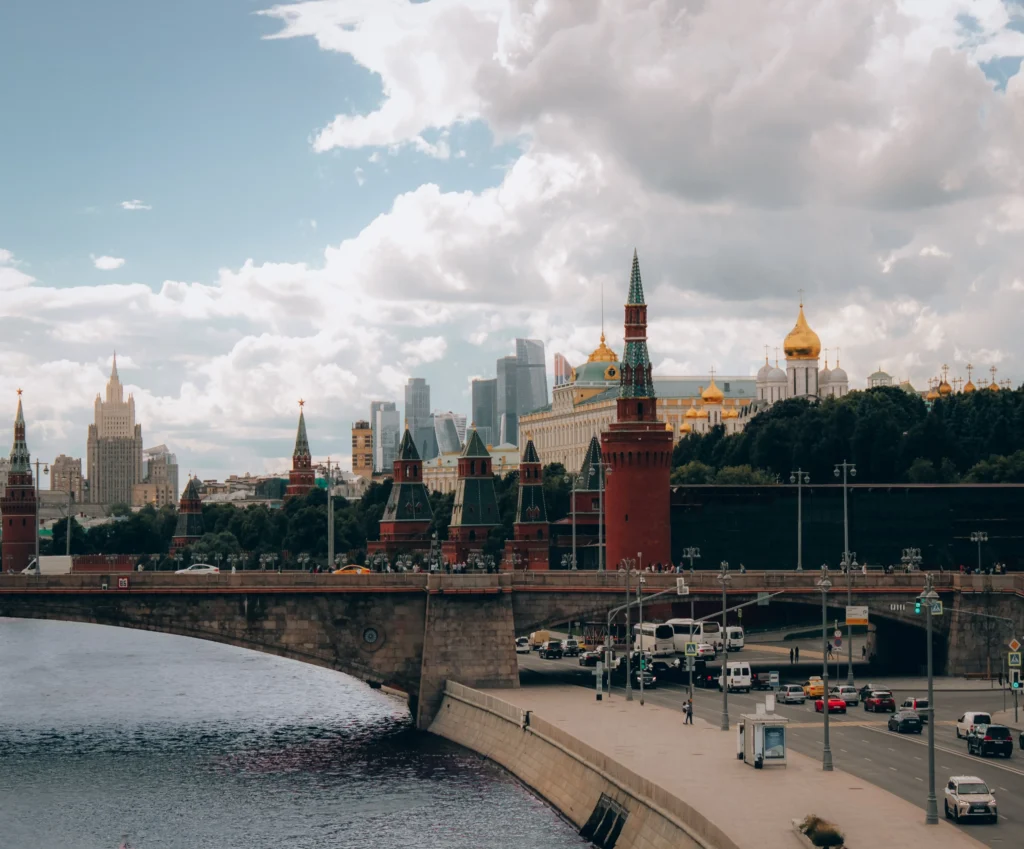
A sweeping cross-border administrative policy is set to permanently reconfigure the landscape of Eurasian travel. The Moscow City Tourism Committee has officially announced that reciprocal simplified entry agreements will serve as the primary structural driver for international visitor arrivals into the Russian capital. The policy confirmation follows an official bilateral state summit, culminating in a joint announcement to extend the mutual 30-day visa-free travel framework through December 31, 2027.
The Ministry of Foreign Affairs confirmed the legislative extension, which prolongs a highly successful unilateral trial first activated in late 2025. In perfect alignment with this regulatory step, the Kremlin confirmed that the reciprocal Russian framework will match this timeline. The strategic alignment ensures that ordinary passport holders from both nations can seamlessly execute short-term transits, business assignments, cultural exchanges, and leisure vacations for up to 30 days without the financial or administrative barriers of traditional visa applications.
Official statistical registries compiled by municipal authorities show that the initial implementation of the simplified entry rules has yielded highly positive outcomes. Throughout the previous calendar year, Moscow successfully welcomed more than 470,000 inbound visitors from China. This massive passenger influx propelled the East Asian nation into the top five fastest-growing source markets for the capital city’s global tourism sector.
Shaping the Future of People-to-People Exchanges
Aviation and tourism boards project that these long-term simplified travel procedures will underpin a major surge in people-to-people exchanges over the next few years. According to consolidated data provided by presidential aides and cross-border immigration authorities, the mutual visa waiver program has already facilitated the transit of over two million Chinese nationals into Russia, alongside roughly one million Russian travelers heading into China.
The removal of pre-departure visa complications allows travelers to schedule spontaneous short-term holidays, lowering barriers for first-time international explorers. Tourism authorities note that this unparalleled openness, paired with steadily expanding intercontinental flight capacities, creates an ideal environment for sustainable, long-term commercial growth across both the corporate and leisure hospitality markets.
Evolving Demographics and Solo Travel Trends
According to comprehensive visitor profile data released by the Moscow Tourism Committee, the modern traveler utilizing the Russia visa-free policy is displaying distinctly new behavioral patterns:
Dominance of Independent Travel: By the end of the previous operational cycle, an overwhelming 84% of arriving Chinese tourists actively opted for entirely independent travel and solo itineraries rather than traditional organized group tours. The removal of visa restrictions is projected to accelerate this trend.
Shifting Generational Profiles: The prevailing age metric has younger generations leading the wave, with 53% of all registered visitors now positioned firmly between the ages of 18 and 35.
Desire for Authentic Exploration: This new wave of independent travelers is actively bypassing conventional, high-density sightseeing routes. Instead, younger demographics are prioritizing local cultural immersion, traditional gastronomy, and nature-based rural recreation across the wider municipality.
Massive Commercial Mobilization Ahead of Summer Holidays
The municipal business ecosystem has rapidly adapted to accommodate these changing visitor preferences. During the recent festive winter travel cycle, the city recorded a massive surge in private sector participation. More than 40 premier hotel developments introduced targeted promotional bundles, digital payment integrations, and curated welcome gifts specifically designed for independent foreign travelers. Concurrently, over 140 high-end culinary establishments across the capital rolled out specialized celebratory menus.
This commercial focus has yielded excellent performance metrics across international booking portals. Ahead of the highly anticipated peak summer holiday vacation window, which spans July and August, overall hospitality reservations across the country have more than doubled compared to past annual averages.
While Moscow remains the central, high-volume gateway for arriving passengers, this extensive tourism growth is systematically radiating across other prominent regional transport nodes. Consolidated airline network updates indicate that flight reservations and direct air ticket bookings destined for secondary historical and cultural gateways—including St. Petersburg, Vladivostok, Irkutsk, and Khabarovsk—have also recorded a dramatic year-on-year increase.
Strategic Guidelines for Outbound Holidaymakers
To maximize the benefits of the extended cross-border entry policy during peak seasonal traffic, international travel directorates recommend that passengers adhere to several essential operational steps:
Track Flight Capacities: Monitor weekly flight frequencies across core corridors, as international legacy carriers continue to increase capacity to meet rising demand.
Ensure Regulatory Compliance: Remember that while the bilateral waiver completely removes the need for standard entry visas, stays are strictly capped at 30 continuous days. Longer commercial assignments or educational residencies still require standard formal permitting.
Prepare Documentation Packages: Ensure that ordinary passport documentation remains valid for at least six months past the intended departure date. Travelers should maintain digital copies of onward transportation tickets and confirmed accommodation bookings for fast processing at border immigration counters.
The extension of the reciprocal Russia visa-free policy marks a defining chapter for regional travel infrastructure. Through targeted marketing campaigns, robust cross-border policy extensions, and an agile private sector, the capital city is successfully cementing its position as a highly accessible and deeply compelling global tourism destination.
For more travel news like this, keep reading Global Travel Wire