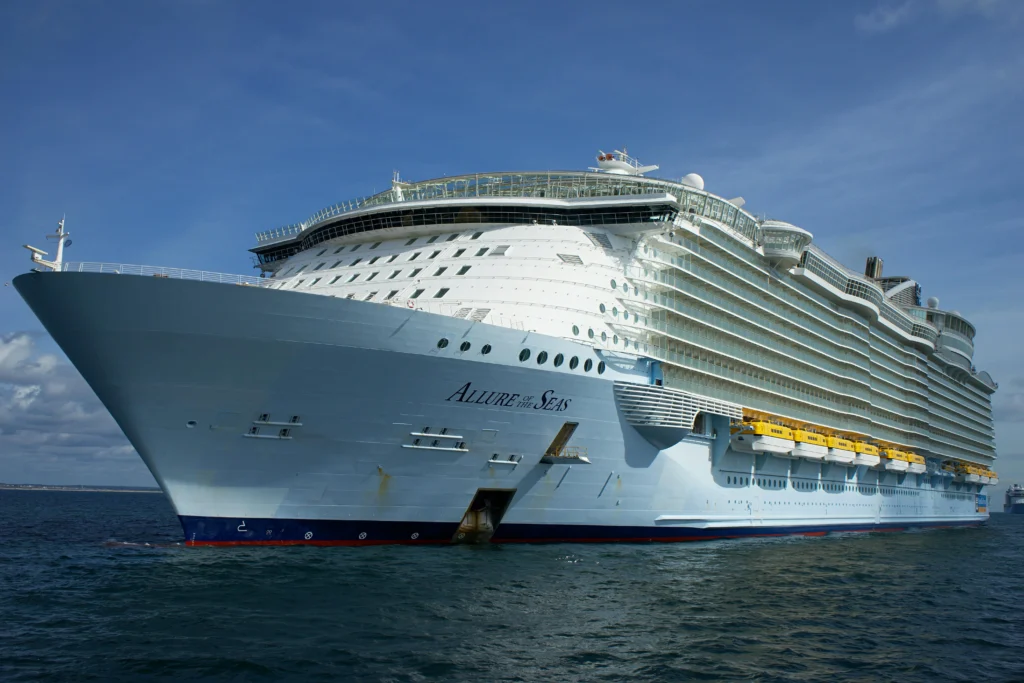
The North American cruise sector is experiencing significant logistical realignments as marine operators adjust seasonal routing to accommodate northern port infrastructure developments. In a series of real-time network updates, Royal Caribbean International implemented essential schedule modifications for passengers traveling aboard the Ovation of the Seas during its early season sailings to the Pacific Northwest.
According to official administrative dispatches from port managers, the initial routing adjustment was necessitated by ongoing commercial port construction at the cruise terminal in Seward, Alaska. To ensure uninterrupted marine operations, the line proactively shifted the scheduled debarkation gateway for the affected seven-night voyage, substituting the port of Whittier in place of Seward.
While alternative transportation measures were established to seamlessly reroute approximately 8,000 affected travelers toward regional transit hubs in Anchorage, the vessel encountered additional maritime traffic coordination requirements later in the itinerary. To guarantee a safe and timely arrival into the new Whittier terminal facility, shipboard command finalized a secondary schedule modification, substituting a scheduled scenic cruising window past Hubbard Glacier with a dedicated day at sea.
Managing Maritime Traffic and Destination Adjustments
Official statements from the cruise line’s operational directors emphasize that maintaining strict adherence to arrival windows is critical for regional port synchronization. The captain announced the decision during the cruise, explaining that high vessel traffic levels within the narrow waterways leading into the Whittier gateway required the ship to maintain an adjusted speed and trajectory.
As a result of the route preservation plan, the Quantum-class vessel—which accommodates over 4,100 guests—spent its final full day navigating open waters instead of entering the tidewater glacier bay. Because scenic glacier viewing is often highlighted as a major feature of northern luxury voyages, the last-minute alteration prompted immediate inquiries from guests on board.
To address passenger concerns and manage service requests at the main terminal desks, onboard hospitality teams quickly established dedicated guest service counters. While localized passenger inquiries temporarily increased processing times at the ship’s reception areas, hospitality staff successfully mitigated terminal-side bottlenecks by delivering direct informational letters and structured financial compensation packages to every stateroom.
Structured Financial Compensation and Onboard Guest Credits
To maintain high standards of passenger satisfaction and acknowledge the unexpected variation in the cruise experience, Royal Caribbean instituted an automatic onboard credit matrix for all registered travelers. The administrative allocation was structured systematically according to stateroom categories:
Interior and Oceanview Accommodations: Passengers received an immediate credit of $150 per stateroom applied directly to their onboard spending accounts.
Balcony Staterooms: Eligible travelers were granted a $200 credit to offset shipboard dining, beverage, or retail expenses.
Luxury Suites: Premium tier staterooms received a comprehensive credit allowance of $400 per cabin.
Additional Travel Companions: To ensure equitable distribution across families, third and fourth guests registered within any single cabin received an individual credit allotment of $25 each.
In an official notification distributed to passengers, the company expressed sincere regrets regarding the sudden structural modifications, reaffirming that the updates were carefully reviewed to secure a reliable, safe, and lawful transit to the final Alaskan port of call.
Comprehensive Ground Logistics and Transport Rerouting
Transitioning thousands of international holidaymakers from an unexpected debarkation point requires extensive inter-agency cooperation. The port of Whittier is situated roughly 60 miles southeast of Anchorage, representing an alternative maritime gateway to the Kenai Peninsula network.
To prevent travel chaos and minimize post-cruise disruptions for independent and group tourists, the cruise line’s logistics departments took full charge of modifying all pre-booked transit packages. For guests who had secured ground transportation directly through the cruise operator, motorcoach transfers and specialized wilderness train journeys via the Alaska Railroad were automatically re-scheduled to depart from the Whittier terminal facilities without requiring manual updates from the travelers.
Conversely, for independent international tourists who arranged private vehicle rentals, guided shore excursions, or distinct domestic flight departures out of Ted Stevens Anchorage International Airport, regional tourism boards issued urgent advisories. Travelers were directed to contact their independent operators immediately to adjust pickup coordinates and confirm modified travel windows.
Best Practices for Navigating Cruise Schedule Modifications
National maritime directorates and cruise line coalitions remind the traveling public that while modern cruise lines make every effort to fulfill published schedules, marine itineraries remain subject to unexpected real-world variables, including port infrastructure projects, local weather patterns, and maritime traffic controls. To ensure a seamless vacation experience, regional travel authorities advise international cruise passengers to follow these operational steps:
Secure Comprehensive Travel Insurance: Verify that your policy explicitly covers itinerary alterations, missed shore excursions, and unexpected port substitutions.
Maintain Flexible Air Travel Windows: When booking independent homeward flights following a cruise, always select departure times that allow a generous buffer for ground transit from adjacent ports.
Utilize Official Shipboard Communication Channels: Keep mobile applications active while at sea to receive prompt, automated alerts regarding gate updates, luggage transfers, and scheduling updates.
The prompt deployment of passenger credits and modified ground logistics on the Ovation of the Seas highlights the structural adaptability of the modern cruise economy. Through coordinated port adjustments, proactive multi-tier compensation models, and transparent passenger communication, the maritime sector continues to safeguard its long-term destination appeal.
For more travel news like this, keep reading Global Travel Wire